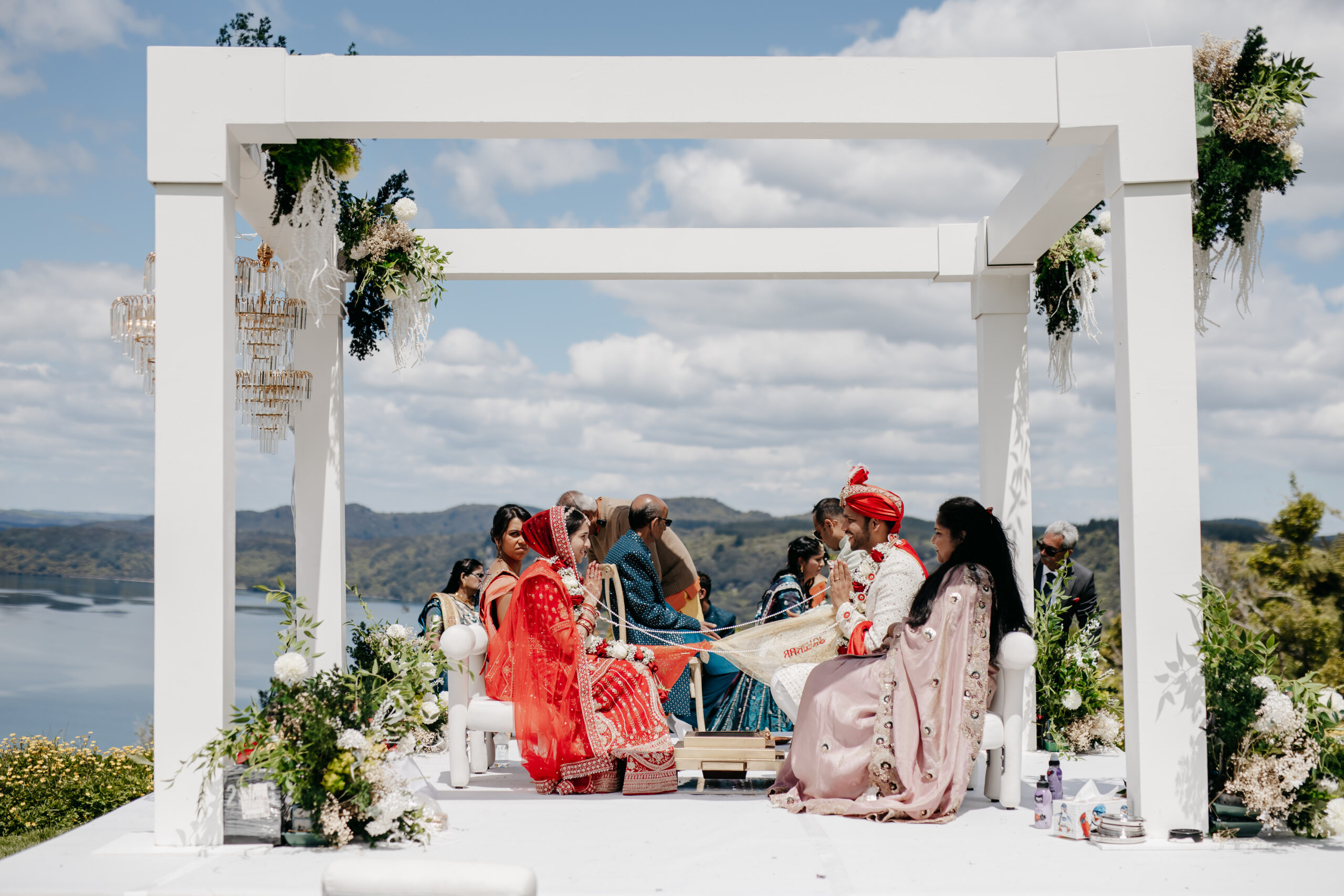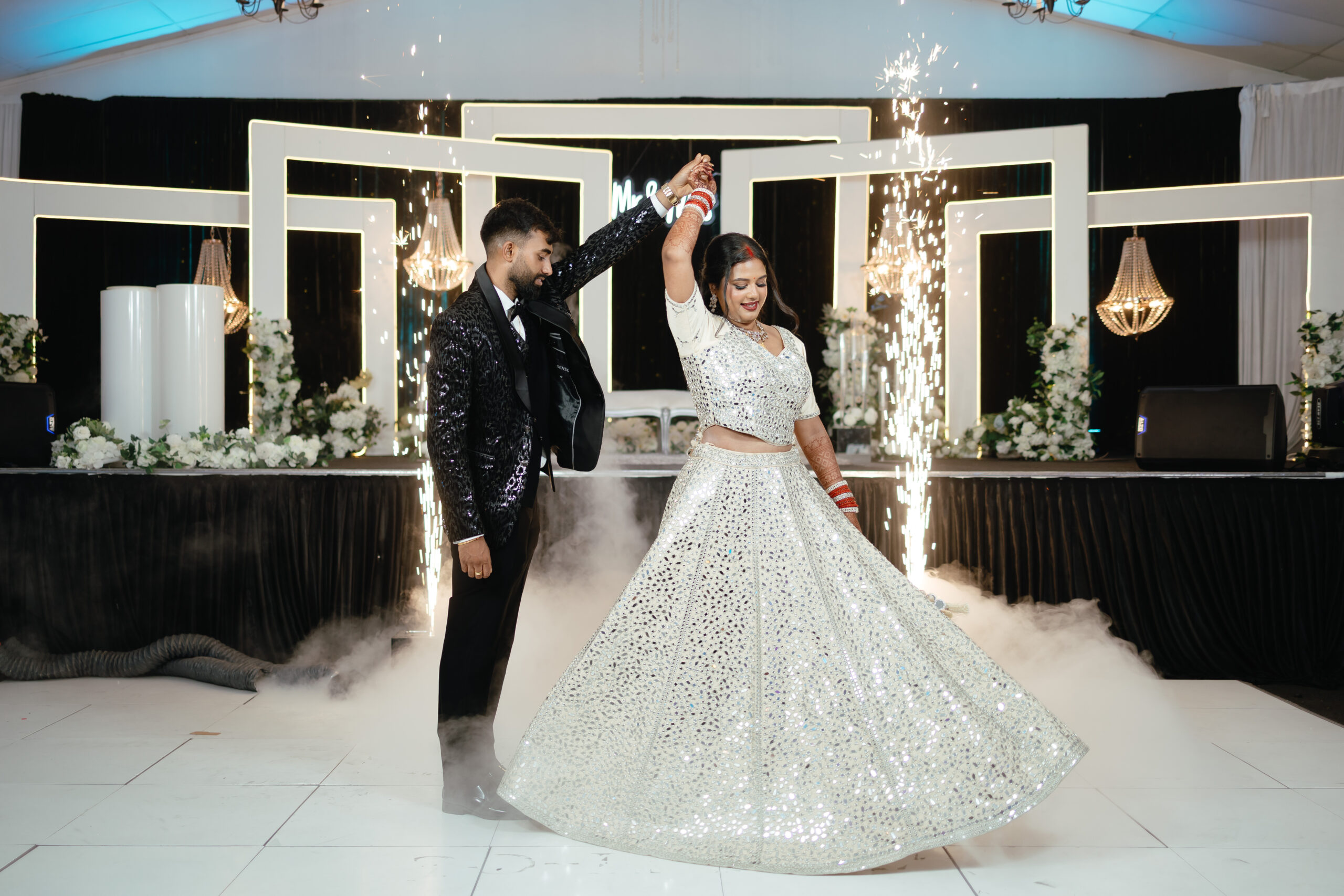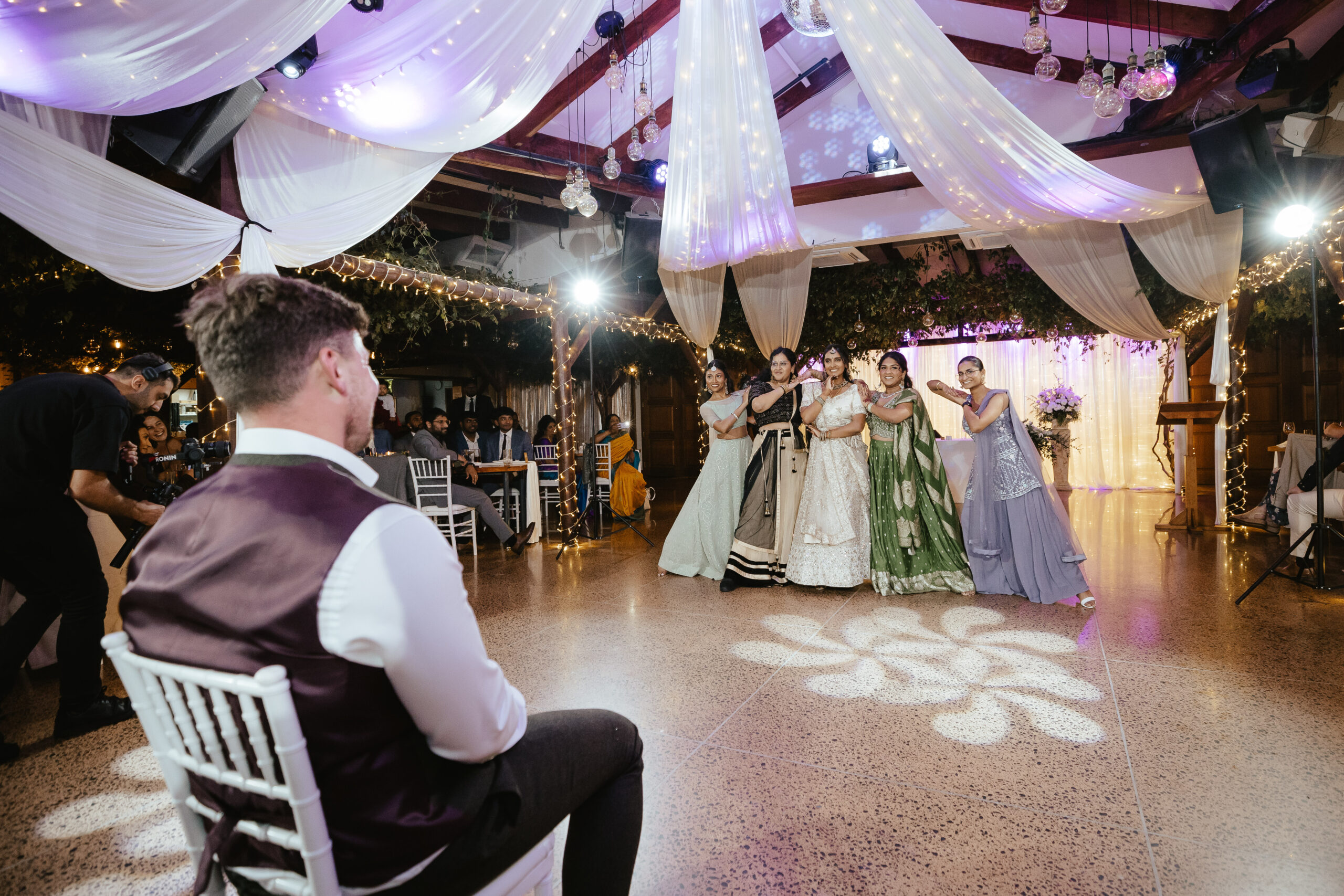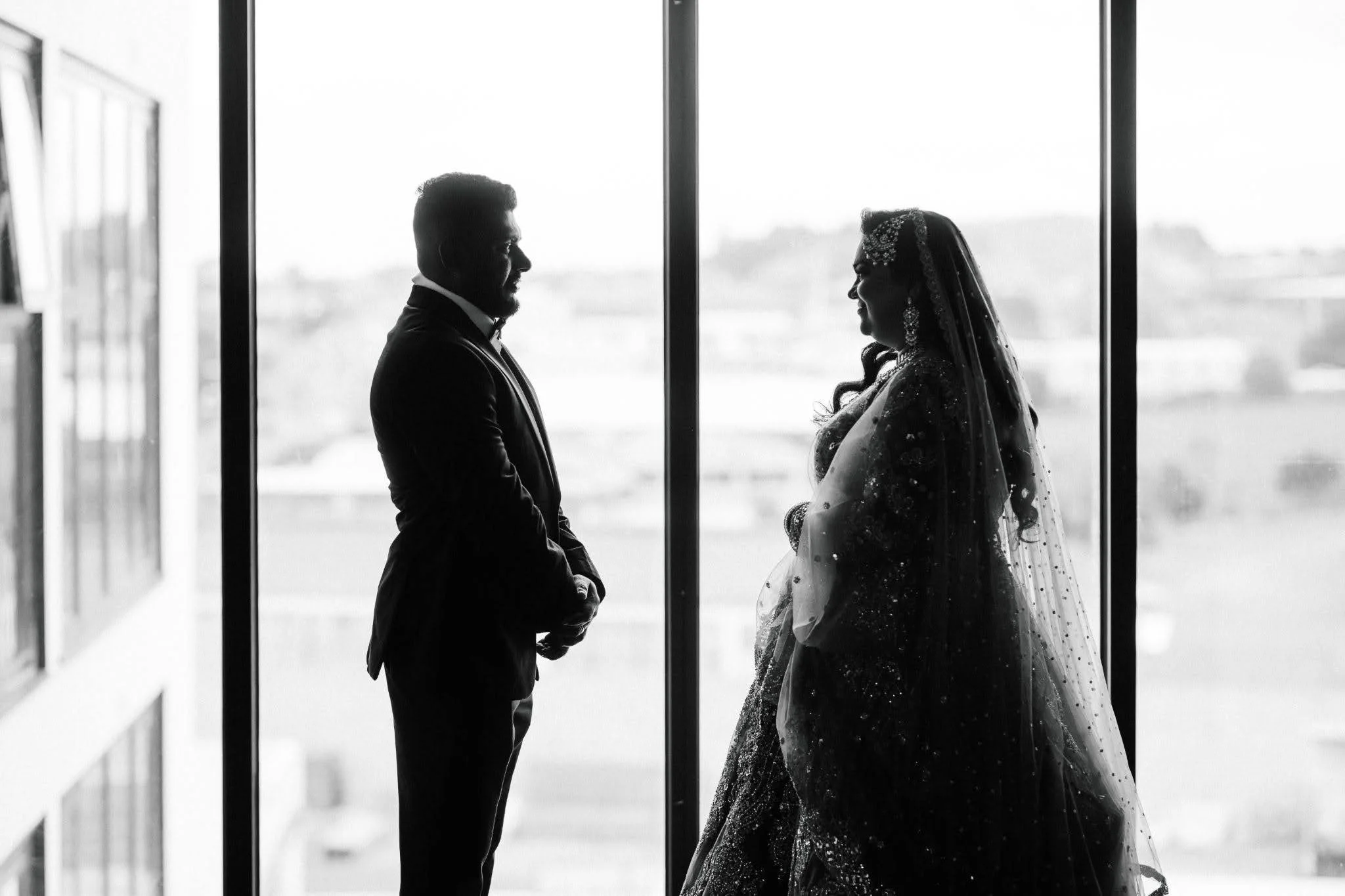

Knowing how to budget for a wedding starts with a clear spending limit, a realistic guest list, and early choices about the suppliers that matter most. If photo and film are priorities, compare photo and video options before spending heavily on décor, favours, or upgrades.
A clear plan helps New Zealand couples enjoy the day with less money stress. It also protects one-time moments such as vows, blessings, cultural rituals, speeches, dances, and parental reactions.
Key Takeaways
- Set a comfortable total before viewing venues.
- Build the guest list early because many costs depend on headcount.
- Keep 10 to 15 per cent aside for changes, overtime, travel, and small extras.
- Plan photography and videography early if rituals and speeches matter.
- Track deposits, GST, balances, and due dates in one shared document.
What Should Your Wedding Budget Include?
A wedding budget should include venue hire, catering, clothing, photography, videography, décor, transport, entertainment, legal paperwork, beauty, and contingency. Separate essentials from nice extras before paying deposits.
Most couples underestimate wedding costs by overlooking small extras such as delivery, alterations, paperwork, meals, transport, weather contingencies, overtime, and outfit changes. They also compare supplier prices without checking inclusions, where a lower quote may exclude essentials such as travel, editing, coverage, or planning support.
For New Zealand couples, the highest costs are often the venue, food, drinks, photo, video, outfits, styling, and entertainment. Cultural weddings may also need multiple events, outfit changes, extended family portraits, and longer coverage.
How Much Should You Set Aside for a Wedding Budget in NZ?
A wedding budget should be based on savings, income, family support, guest count, and wedding style. A registry office ceremony and a 300-guest cultural celebration need different spending plans.
Before booking, ask what you can pay without debt, what you can save before final payments, and what moments you would regret not documenting well.
| Budget Area | Suggested Share | What It Usually Covers |
| Venue, catering and drinks | 35 to 45 per cent | Venue hire, meals, beverages and setup |
| Photography and videography | 10 to 18 per cent | Ceremony, portraits, speeches, reception and editing |
| Clothing, jewellery and beauty | 10 to 15 per cent | Outfits, accessories, hair, make-up and alterations |
| Décor, flowers and stationery | 8 to 12 per cent | Florals, signage, invitations and table styling |
| Music, transport and extras | 8 to 12 per cent | DJ, live music, cars, transport and entertainment |
| Contingency | 10 to 15 per cent | Weather plans, overtime and forgotten costs |
Best practice: protect memories before upgrading details. Flowers, signs, and favours improve the setting, but vows, blessings, speeches, and rituals cannot be recreated.
How to Budget for a Wedding
The best way to learn how to budget for a wedding is to turn one total amount into a working plan. Confirm available money, agree on contributors, list fixed costs, collect written quotes, and update the budget after each payment.
Step 1: Set a Comfortable Total
Write down current savings, expected savings, and any family support. If relatives are contributing, confirm whether the money is a gift, a loan, or support for a specific item.
Step 2: Build the Guest List First
Guest count affects food, drinks, seating, invitations, décor, transport, venue size, and photo timing. Reducing 20 guests can save more than cutting signs or favours.
For Indian, Sri Lankan, Muslim, Sikh, or fusion weddings, create separate lists for each event. This keeps the ceremony, reception, and family gatherings easier to control.
Step 3: Ask for Complete Supplier Quotes
Ask each supplier for a written quote that includes GST, hours, travel, setup, delivery, overtime, and payment dates. A cheap quote may exclude coverage, editing, audio, or multi-day planning.
For photography and video, share your ceremony type, locations, outfit changes, run sheet, and family photo list. The checklist can help you prepare.
Step 4: Track Payment Timing
Most couples track the total cost but forget payment timing. This creates pressure when venue, catering, clothing, photo, video, and décor balances are due close together.
Add deposit dates and final balance dates to your budget plan. This helps you check cash flow before adding upgrades.
How Can a Wedding Budget Template in NZ Keep You Organised?
A wedding budget template helps couples stay organised by keeping every cost, payment, and supplier detail in one place. It can help you:
- Track estimated costs, quoted prices, deposits paid, and balances due
- See which suppliers still need payment and when each final amount is due
- Compare what you planned to spend with what you are actually spending
- Avoid forgotten costs such as GST, travel, overtime, delivery, and supplier meals
- Keep notes for cultural events such as Mehndi, Haldi, Sangeet, Nikah, tea ceremony, speeches, or Vidaai
- Share the same document with your partner or family, so everyone works from the same numbers
- Make calmer decisions before adding upgrades, extras, or last-minute changes
Smart Ways to Save Money on Your Wedding Day Without Cutting Meaningful Moments
Couples can save money by reducing guest numbers, using one venue for several parts of the day, simplifying décor, booking early, and avoiding rushed upgrades. Keep spending focused on comfort, timing, food, photography, videography, and family moments.
Wedding Ideas on a Budget That Still Feel Personal
Simple choices can still feel meaningful and comfortable. Choose seasonal flowers, digital invitations, a smaller bridal party, shared transport, one featured drink, or a simple dessert table.
You can also reuse ceremony flowers at the reception. Ask whether arrangements can move from the aisle, Mandap, signing table, or entrance area to the reception space.
Unique Wedding Ideas on a Budget for Cultural Celebrations
Creative low-cost choices can still honour family traditions. Host a smaller home Mehndi, combine family blessings with lunch, choose one strong Mandap feature, or plan portraits at a family location.
For culture-rich celebrations, do not cut planning time too deeply. The ceremony flow matters because important rituals can happen quickly.
Budget Wedding Favour Ideas Guests Will Use
Wedding favours should be useful, personal, or edible. Consider sweets, spice jars, tea, handwritten notes, seed packets, or a donation card linked to a cause that matters to both families.
If funds are tight, give one favour per couple instead of one per guest. You can also place favours only at reception tables.
How Should You Prioritise Photo, Video and Styling in Your Wedding Budget?
Photo, video, and styling all matter, but they do different jobs. Styling shapes the setting, photography preserves still memories, and videography keeps voices, movement, music, vows, speeches, and atmosphere.
For many couples, the smart order is venue, food, ceremony support, photography, videography, outfits, and sound before extra décor. This is especially true for cultural weddings where rituals, blessings, and performances carry deep meaning.
How Would a Wedding Budget Work for a 120 Guest Cultural Wedding?
A 120-guest cultural wedding needs careful planning because rituals, catering, portraits, music, travel, and family expectations all affect cost. Protect the ceremony, family photos, speeches, reception entrance, and dance floor before adding decorative extras.
For example, an Auckland couple may choose full photography and videography, then simplify table styling, favours, and printed stationery. They could reuse flowers, reduce bar hours, use digital save-the-dates, and keep the guest list focused.
Plan a Wedding Budget That Protects What Matters Most
When you understand how to budget for a wedding, you can make calmer decisions and spend with purpose. A strong plan protects the moments, people, traditions, and memories that matter most, especially during cultural or multi-day celebrations.
Lionbeats helps New Zealand couples plan wedding photography and videography around real timelines, family priorities, cultural rituals, and meaningful storytelling. To discuss packages, coverage, and availability, kindly contact us at +64 21 213 5288 or email contact@lionbeats.co.nz to arrange a consultation.
Frequently Asked Questions
Is $20,000 enough for a wedding in New Zealand?
Yes, $20,000 can suit a smaller New Zealand wedding if you limit guests, choose a simple venue, avoid heavy styling, and prioritise ceremony, food, clothing, photography, transport, legal costs, and contingency.
Does guest count affect wedding costs the most?
Yes, guest count is often the biggest cost driver because each extra person can affect catering, drinks, seating, invitations, décor, venue size, transport, and timeline pressure.
Can we plan a meaningful wedding without debt?
Yes, couples can plan a meaningful wedding without debt by setting a firm limit, booking only what they can fund, reducing extras, and tracking final supplier payment dates.
Is photography and videography worth budgeting for early?
Yes, photography and videography are worth budgeting for early because they preserve one-time moments, especially for cultural ceremonies, speeches, performances, and multi-day events.
Can family contributions be included in the wedding plan?
Yes, family contributions can be included if you confirm the amount, timing, and expectations early, then record whether support covers the full wedding or one specific cost.