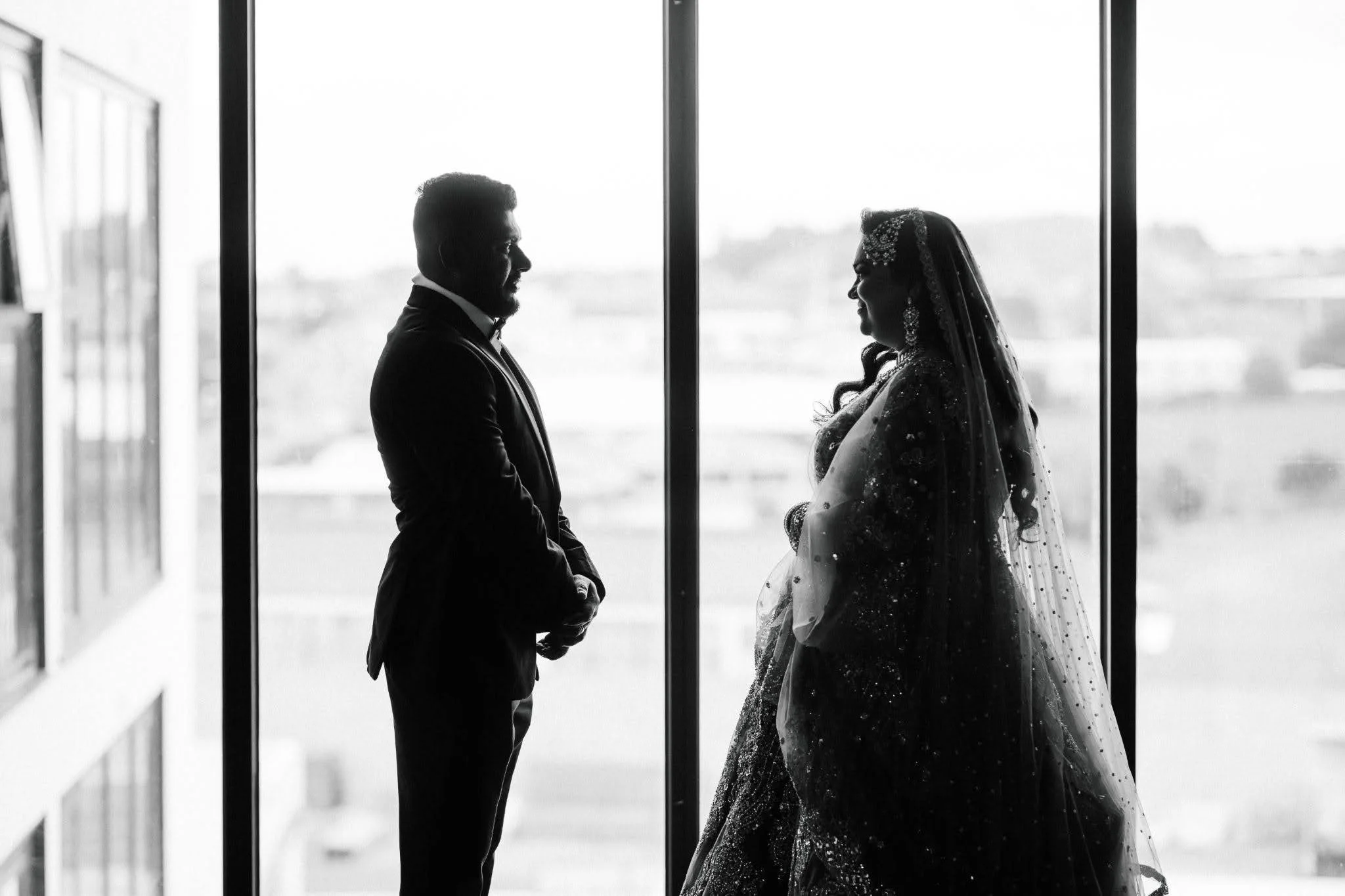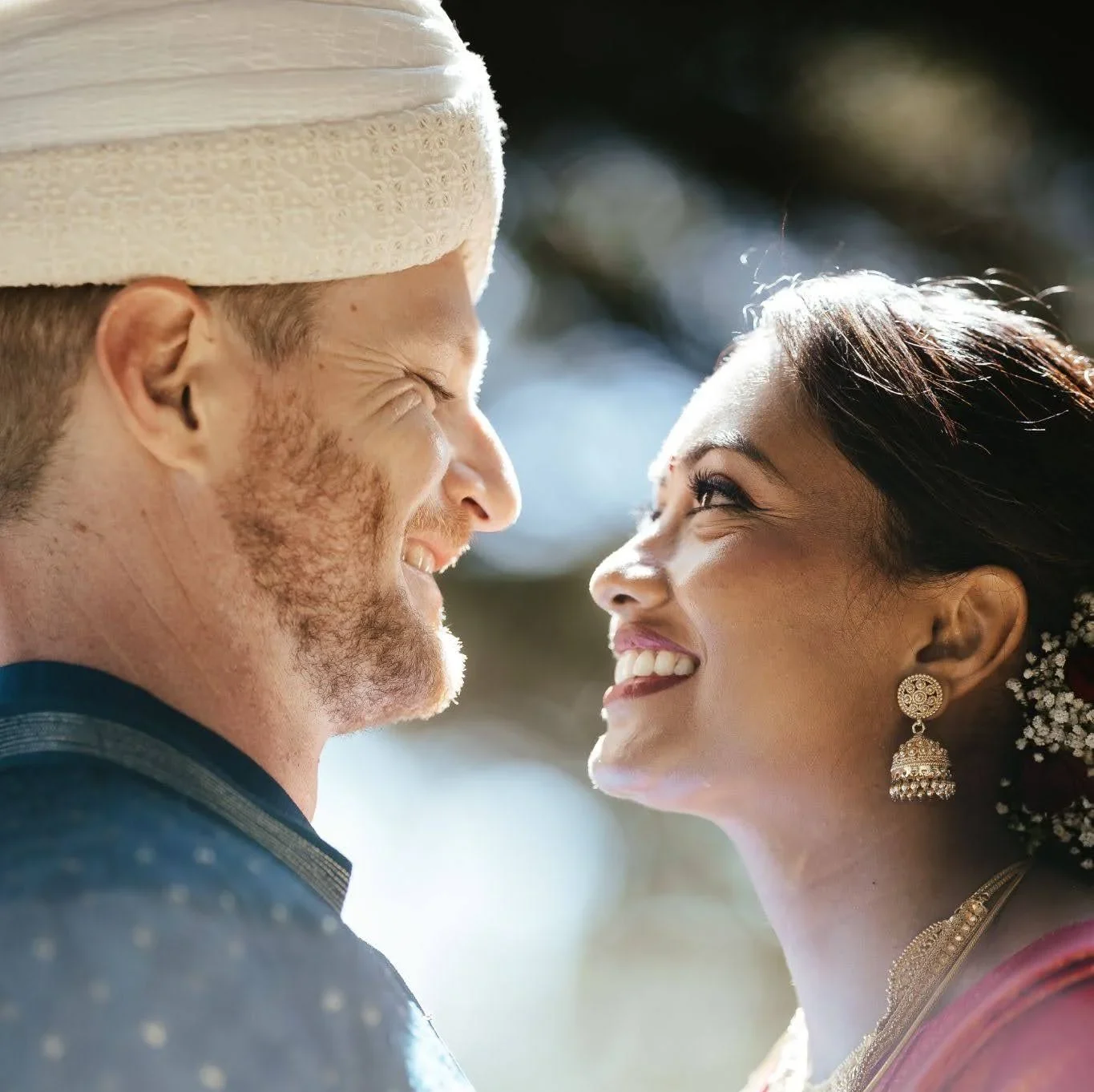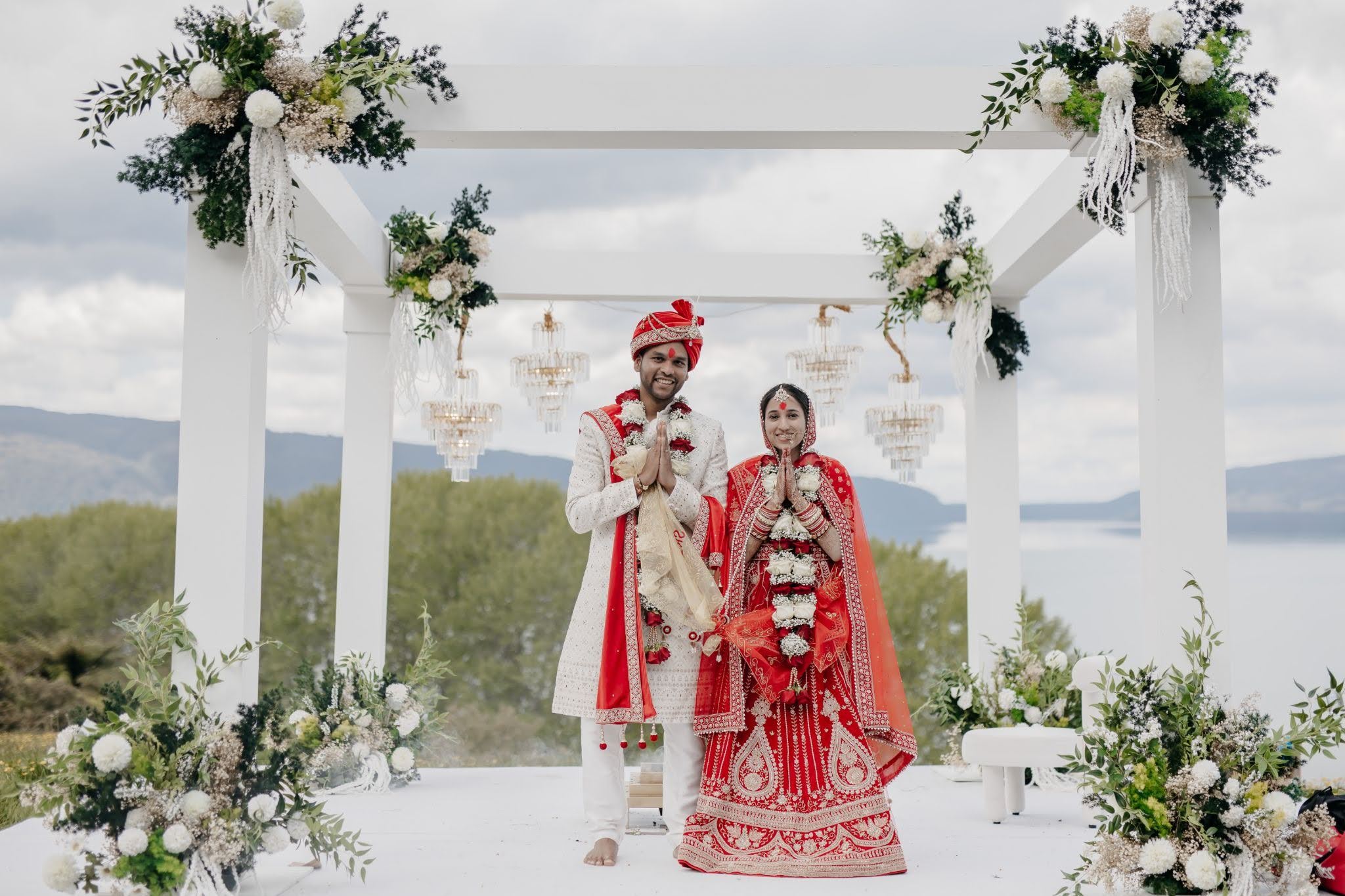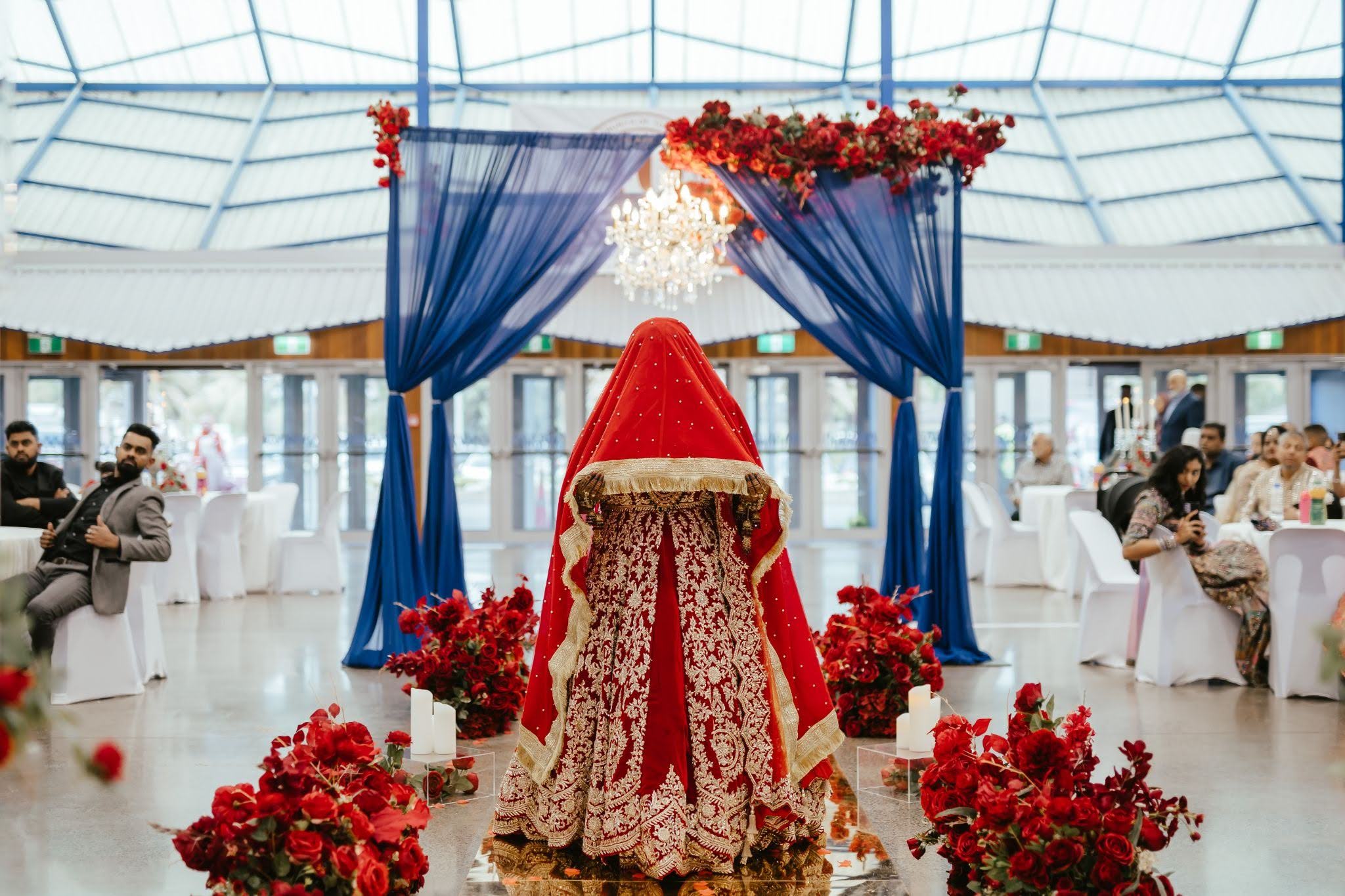
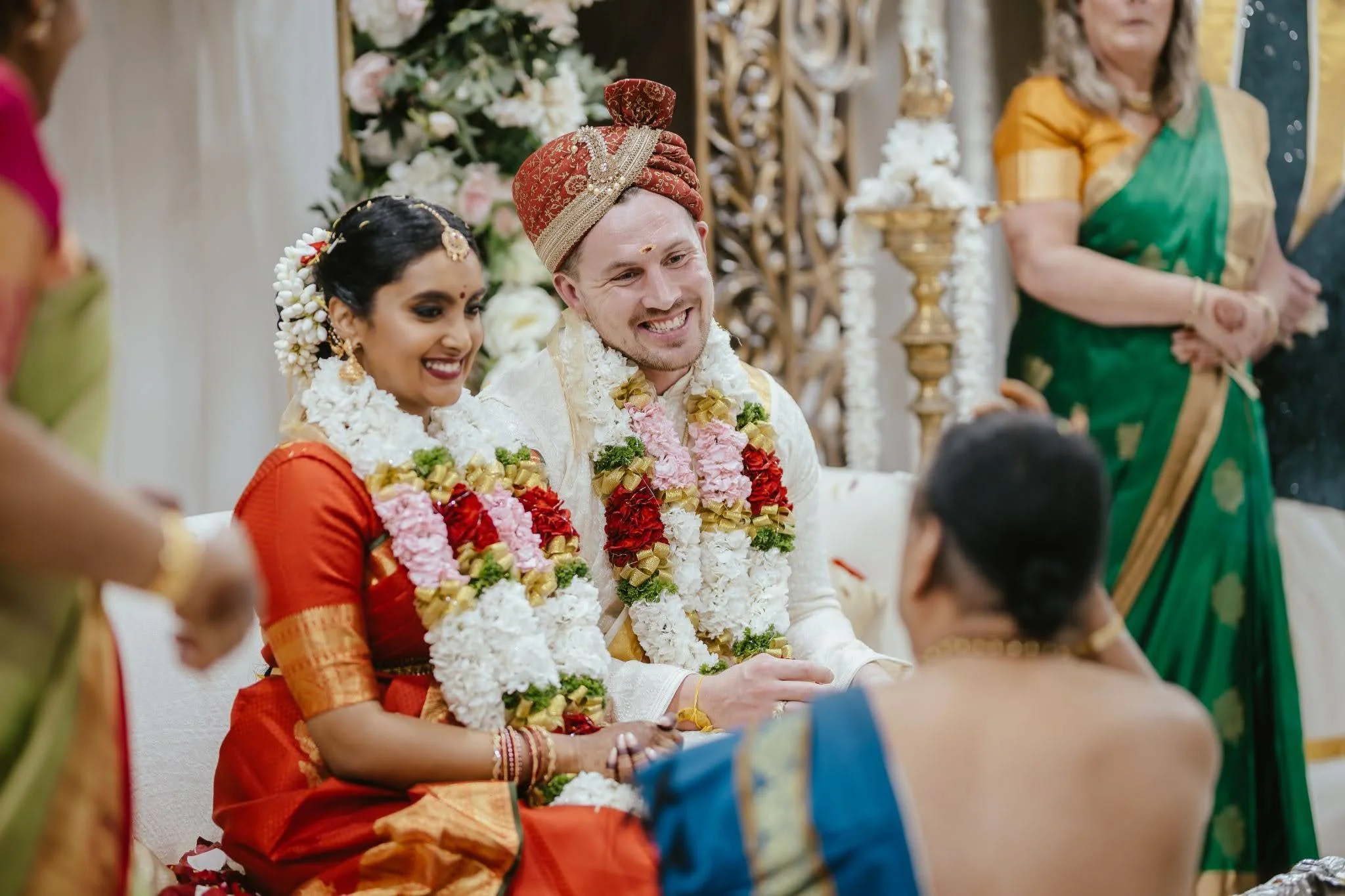
Indian wedding traditions are significant customs that unite two people and two families through blessings, rituals, clothing, jewellery, music and food. For modern couples, understanding these customs helps the wedding feel respectful, organised and personal.
Couples also need thoughtful photo coverage because many rituals happen quickly and cannot be repeated. Clear planning helps preserve the ceremony, family blessings, emotional farewells and reception moments with care.
Key Takeaways
- Pre-wedding events often include Mehndi, Haldi, Sangeet and family blessings.
- The ceremony may include garlands, prayers, sacred fire, vows and elder blessings.
- Jewellery such as the Mangalsutra, chooda and bangles can carry deep meaning.
- Multi-day weddings need a clear timeline, family photo list and coverage plan.
- Modern couples can respect tradition while adding personal touches.
What Do Indian Wedding Traditions Mean for Modern Couples?
These customs help couples honour family roots while creating a celebration that fits their life today. They are not only about religion or culture. They also help relatives feel connected to the couple’s new chapter.
The goal is not to follow every custom exactly. The goal is to understand what each moment means, choose what feels right and give every important ritual enough time.
Couples often focus on the ceremony start time but overlook the movement around each ritual, including travel, outfit changes, family greetings, priest setup, décor timing and group photos. Sharing the ceremony order, family photo list, venue rules, jewellery details and important heirlooms early helps the photographer capture each meaningful moment with care.
What Does Indian Wedding Culture and Tradition Usually Include?
The celebrations usually include family involvement, religious blessings, music, food, dancing, traditional clothing, jewellery and symbolic rituals. The structure depends on the couple’s faith, language group, region and family preferences.
Common events may include an engagement ceremony, Mehndi, Haldi, Sangeet, Baraat, Mandap ceremony, reception and Vidaai. Modern couples may also add a first look, private vows, fusion music or a wedding film while keeping the rituals that matter most.
How Does an Indian Tradition Wedding Ceremony Usually Flow?
A traditional Indian ceremony usually follows arrival, welcome, blessings, symbolic promises and family rituals. Some ceremonies are simple, while others take several hours because they include prayers, offerings and regional customs.
A common Hindu ceremony may include:
- Baraat, where the groom arrives with music and dancing.
- Milni, where both families greet each other with blessings.
- Ganesh Puja, a prayer for blessings and a smooth beginning.
- Jai Mala, where the couple exchange garlands.
- Kanyadaan, where the bride’s parents formally bless the marriage.
- Mangal Phera or Saptapadi, where the couple walk around the sacred fire and make promises.
- Sindoor and Mangalsutra, where the marriage may be marked through sacred symbols.
- Elder blessings, where family members bless the couple.
Some modern couples adapt parts of the ceremony to reflect equality, mixed traditions or personal beliefs. Confirm the ritual order with the priest, family elders, planner, photographer and videographer before the wedding day.
What Pre-Wedding Indian Traditions Should Couples Know?
Pre-wedding customs help families connect before the formal ceremony and create relaxed, colourful moments. The Mehndi includes henna, the Haldi uses turmeric as a blessing, and the Sangeet often includes music, speeches and family dancing.
Since these events can move quickly, the photo and video team should know the order before each ritual begins. Couples can also explore photo style options before finalising the brief.
What Do Indian Wedding Jewellery Traditions Symbolise?
Indian wedding jewellery often carries meaning beyond beauty. Pieces such as the Mangalsutra, bangles, chooda, rings and family heirlooms can represent marriage, prosperity, protection, blessings and the couple’s new life together.
Indian wedding necklace tradition
The Indian wedding necklace tradition is often connected to the Mangalsutra in many Hindu weddings. This sacred necklace is tied by the groom around the bride’s neck and symbolises commitment, protection and the couple’s shared life. Designs vary by region and family, from black beads and gold to pendants, diamonds or heirloom details.
Indian wedding bracelets tradition
The Indian wedding bracelets tradition may include bangles, chooda or other meaningful wrist jewellery worn by the bride. In Punjabi weddings, the chooda is often a set of red and ivory bangles blessed by family members. Close-up photos of the Mangalsutra, henna, rings, bangles, fabric details and family jewellery help preserve these important cultural details.
How Should Couples Plan Photos and Video Around Indian Wedding Traditions?
Couples should plan coverage around rituals, not just hours. The schedule needs time for travel, outfit changes, family greetings, preparation, portraits and family photos.
For multi-day celebrations, coordinated photo and video coverage helps keep the storytelling consistent. A consultation also confirms the ceremony order, family priorities, coverage hours, teaser images, highlight edits and delivery timelines.
| Event | What to Capture | Planning Tip |
| Mehndi | Henna, décor, jewellery and family moments | Allow time for detail photos |
| Haldi | Turmeric ritual, reactions and playful moments | Keep space clear around the couple |
| Ceremony | Mandap, vows, rituals, elders and portraits | Share the ritual order early |
| Reception | Entrance, speeches, dancing and guest moments | Confirm lighting and audio |
| Vidaai | Farewell, hugs and family blessings | Keep the area open for candids |
Expert insight: Assign one family member from each side as the photo coordinator. This helps gather relatives quickly for group photos and keeps the couple from managing names during the day.
Step-by-Step Checklist for Planning Indian Wedding Customs
A clear checklist helps protect sacred rituals and reduce stress, especially for multi-day celebrations or weddings across different venues.
| Step | Why It Matters | Who to Coordinate With |
| Confirm which customs both families want included | This helps avoid confusion and makes sure the most meaningful traditions are given enough time. | Couple, parents, family elders |
| Speak with the priest or celebrant about the ceremony order | The ritual order affects timing, photo angles, audio needs and guest movement. | Priest, celebrant, planner |
| Build a timeline for every event | Multi-day weddings need enough time for travel, outfit changes, setup, portraits and family photos. | Planner, venue, photographer, videographer |
| Share the run sheet early | A shared run sheet helps every supplier prepare for fast-moving rituals and important family moments. | Photo team, video team, planner, venue |
| Prepare a family photo list with names and groupings | This keeps group photos organised and prevents the couple from managing relatives on the day. | Parents, siblings, photo coordinator |
| Confirm portrait locations and the best light | Good planning helps portraits feel calm instead of rushed, especially around ceremony and reception times. | Photographer, videographer, venue |
| Ask about audio for vows, speeches and ceremony moments | Clear audio is important for wedding films, speeches, prayers and emotional moments. | Videographer, celebrant, DJ, venue |
| Keep jewellery, invitations and detail items ready | Having details prepared saves time during prep photos and helps capture meaningful cultural items. | Couple, bridal party, family members |
| Add buffer time before the ceremony and reception | Extra time protects the schedule if rituals, greetings, travel or outfit changes take longer than expected. | Planner, families, venue, suppliers |
Couples who feel nervous in front of the camera can review simple posing tips before their pre-wedding session.
How Can Modern Couples Respect Tradition Without Feeling Restricted?
Modern couples can respect tradition by choosing customs with meaning instead of copying every ritual by default. A wedding can still feel deeply cultural while including personal vows, fusion music, mixed traditions or a shorter ceremony.
Talk openly with both families about what matters most. Keep non-negotiable rituals, shorten less important parts, explain key moments to guests and involve elders respectfully so the wedding feels rooted, personal and natural.
Honouring Every Ritual With Meaningful Wedding Storytelling
Every cultural wedding custom has a purpose. The jewellery, blessings, vows, music, food, family portraits and farewell all help tell the story of two families coming together.
Lionbeats helps couples plan coverage around Indian wedding traditions so each ritual, family blessing and emotional moment is captured with care. To discuss your wedding date, events and coverage needs, contact us on +64 21 213 5288.
Frequently Asked Questions
Is a Hindu wedding always the same in every family?
No, a Hindu wedding changes by region, language, family preference and priest guidance. Couples should confirm the ritual order, ceremony length and family priorities before finalising their timeline.
Does every Indian bride wear a Mangalsutra?
No, not every Indian bride wears a Mangalsutra because customs vary by religion, region and family tradition. When it is included, plan the photo angle because the moment is usually quick and symbolic.
Can couples shorten a traditional ceremony?
Yes, couples can shorten a ceremony by speaking with the priest and family elders early. Start with must-have rituals, optional rituals and time-sensitive moments, then build a respectful order.
Is photo and video coverage needed for every event?
Yes, photo and video coverage is helpful when each event has unique rituals, outfits and family moments. Prioritise Mehndi, Haldi, ceremony and reception, then add shorter coverage for smaller home rituals if needed.
Can we ask Lionbeats questions before booking?
Yes, Lionbeats welcomes questions about coverage hours, multi-day events, travel, delivery timelines, RAW files and custom packages before booking. Call +64 21 213 5288 to arrange a consultation.