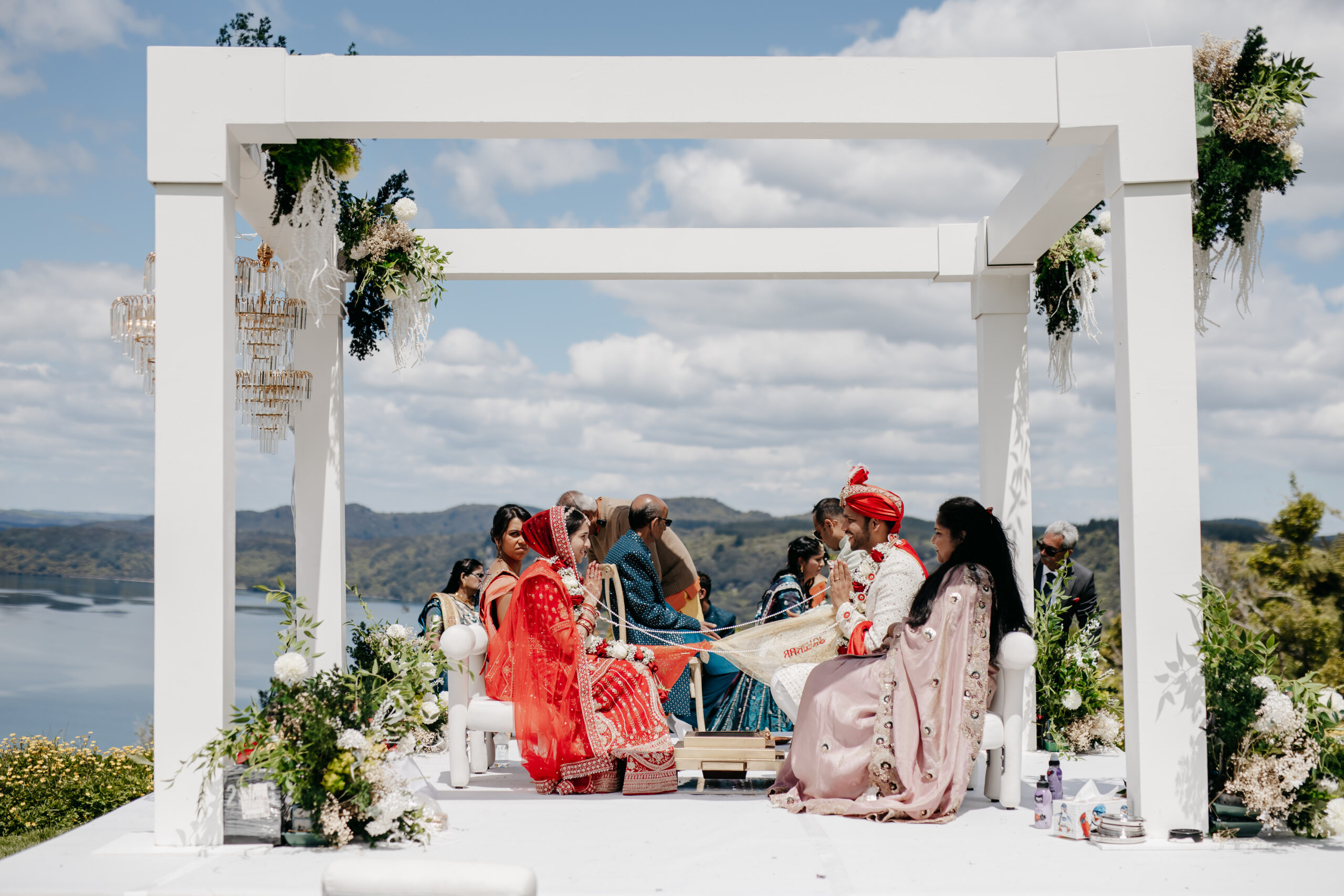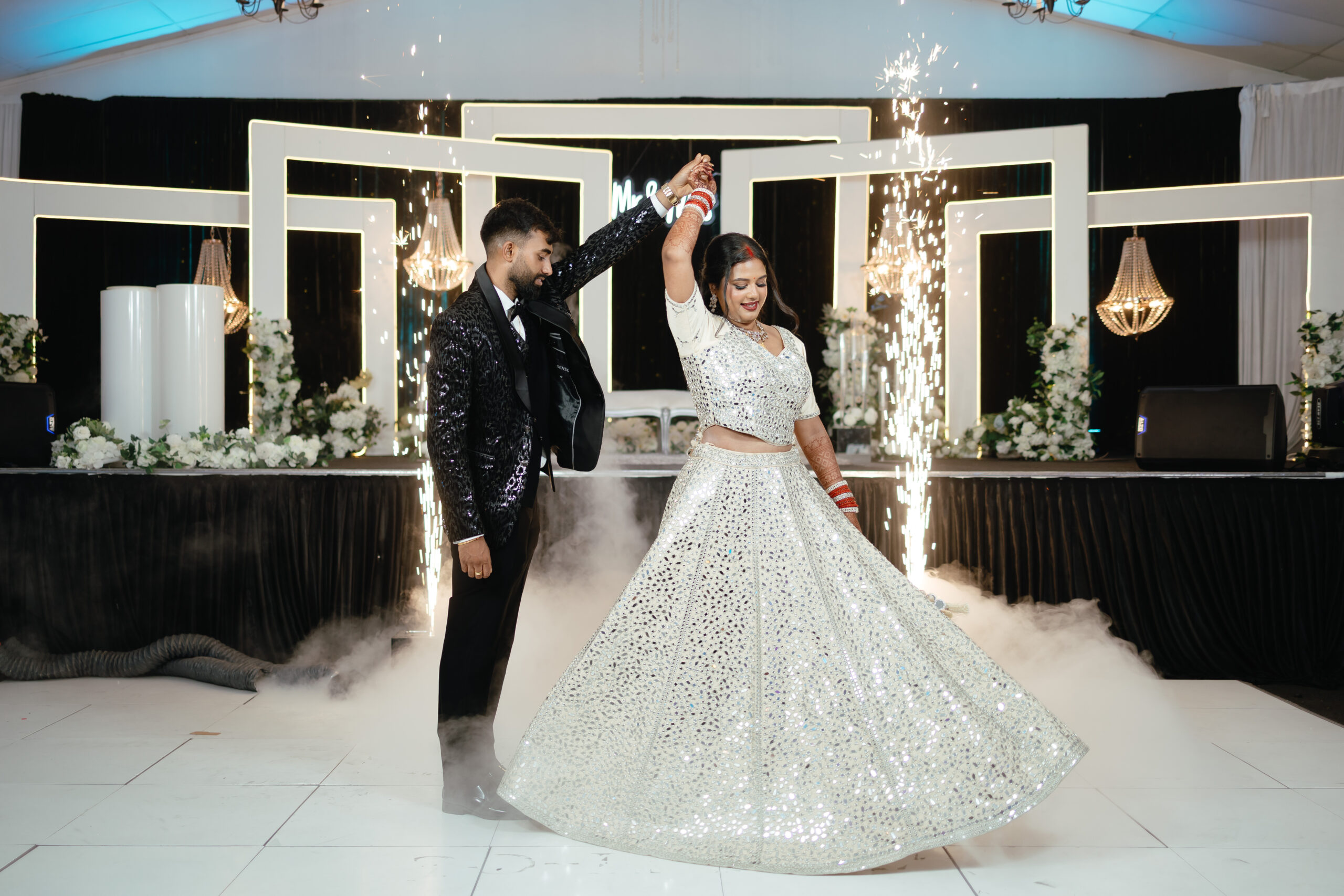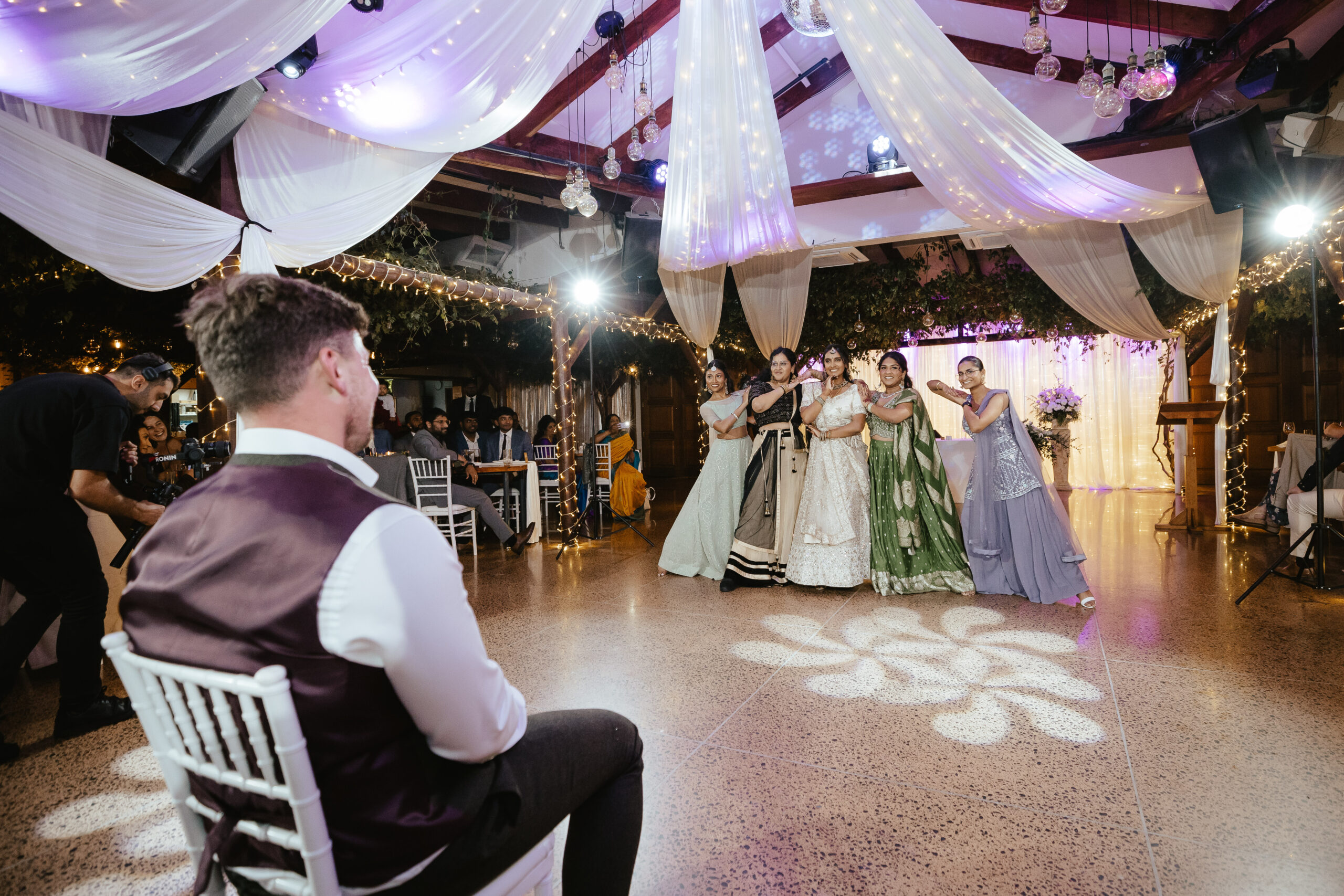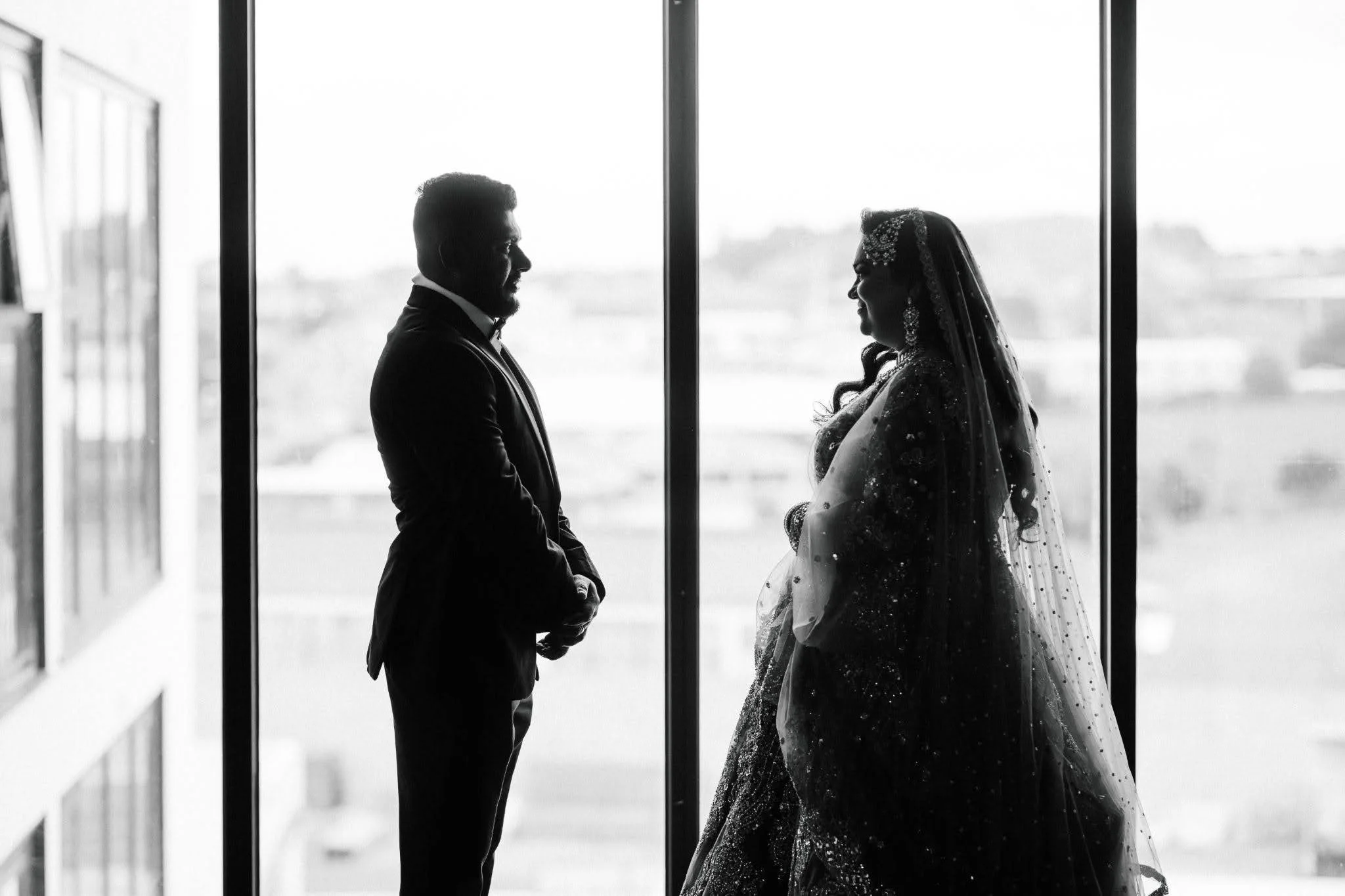
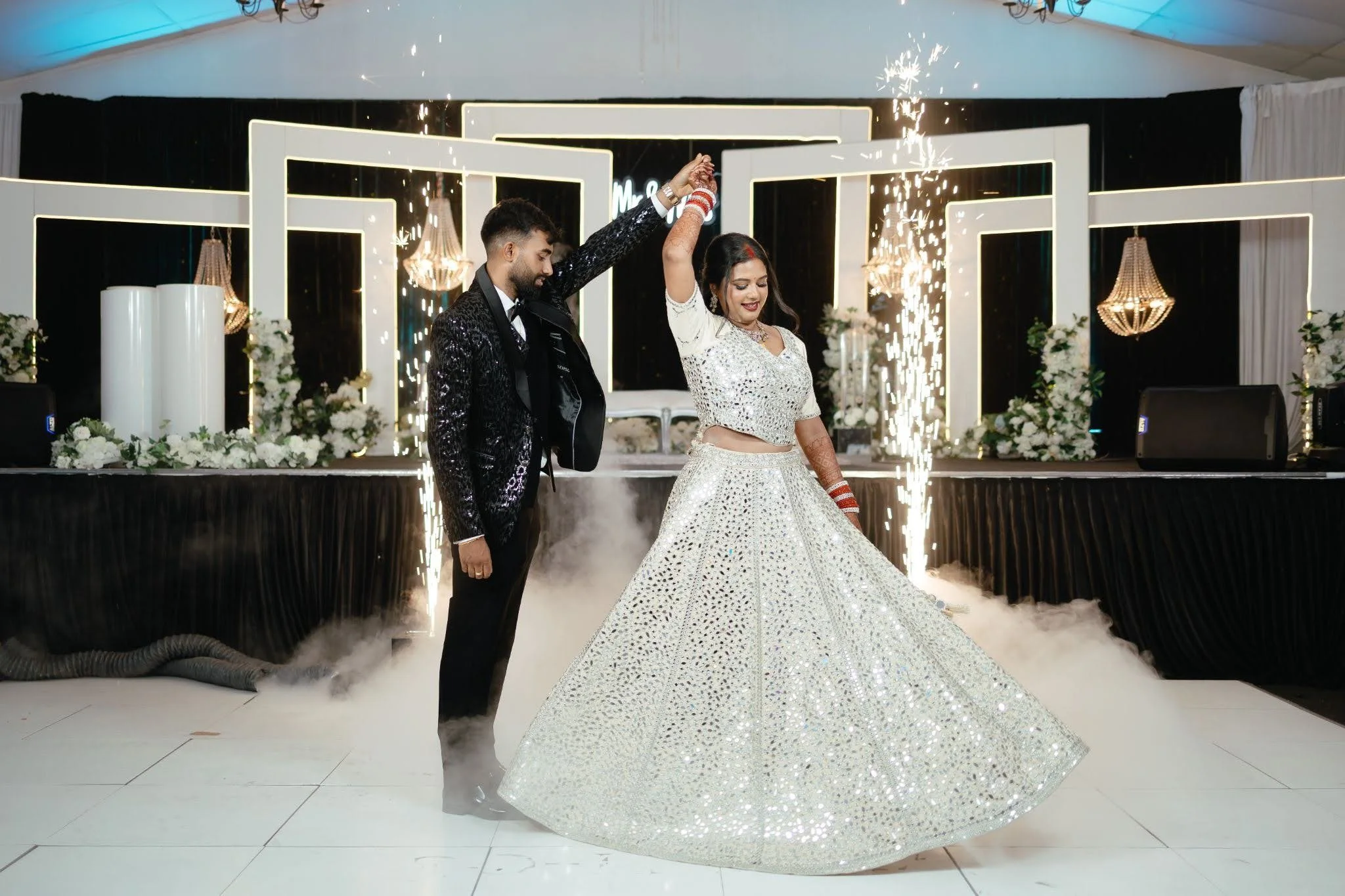
A wedding day timeline photography plan helps couples organise when each important photo will happen, from preparation through to the final reception moments. It gives the day structure, protects the best light, and helps every key memory feel calm instead of rushed.
For cultural celebrations such as Indian wedding photography, a clear schedule is even more important because ceremonies, family rituals, outfit changes, travel, and reception events often move quickly. Good planning helps couples enjoy the day while making sure meaningful photos are captured with care.
Key Takeaways
- Start with the ceremony time, sunset time, and venue access.
- Allow time for preparation, portraits, family photos, ceremony, and reception details.
- Add 10 to 15-minute buffers between major parts of the day.
- Prepare a family photo list before the wedding.
- Share the final schedule with suppliers and key family members.
What Is a Wedding Photography Timeline and Why Does it Matter?
A wedding photography timeline is a clear schedule that shows when each important photo moment will happen during the day. It usually includes preparation, detail shots, couple portraits, family photos, ceremony coverage, reception moments, speeches, dancing, and any cultural rituals.
Wedding photography matters to capture important moments. It’s part of the plan, especially with the event usually moving fast, everything feels rushed and can be missed. A clear timeline gives everyone enough time to be in the right place, protects the best natural light, and helps the day feel calm rather than crowded.
For cultural weddings, the timeline is even more important. Family blessings, processions, outfit changes, rituals, and reception traditions often need extra space in the schedule so they can be photographed respectfully and naturally.
What Should a Photo Timeline Include?
A photo timeline should include preparation, detail photos, portraits, ceremony coverage, family photos, reception details, speeches, dancing, and candid guest moments. It should also include travel time, weather plans, outfit changes, and short buffers.
The main parts usually include:
- Wedding details, rings, outfits, jewellery, and invitations
- Getting ready photos
- Individual portraits
- First look or private couple moment
- Couple portraits and wedding party photos
- Family portraits
- Ceremony coverage
- Reception details, speeches, cake cutting, and dancing
Couples can also use a photo checklist to choose the moments that matter most before the final schedule is created.
How Do You Build a Wedding Day Timeline Photography Plan?
Build the schedule around the fixed parts of the day first. These include the ceremony time, reception start time, venue access, travel between locations, sunset, and any cultural rituals that must happen at a specific time.
Follow this simple process:
- Confirm the ceremony time first: Use the ceremony time as the main anchor so you can plan preparation, portraits, family photos, and reception coverage around it.
- Check the sunset time: Plan outdoor couple portraits around the best natural light, especially if you want soft golden hour photos.
- List every location: Include preparation rooms, ceremony venue, portrait spots, reception space, and travel time between each place.
- Decide on a first look: Choose whether you want a private reveal before the ceremony or a traditional aisle reveal so the portrait schedule can be planned properly.
- Prepare the family photo list: Write down the exact family groupings before the wedding so portraits stay organised and do not take longer than needed.
- Allow time for getting ready details: Include outfits, rings, jewellery, flowers, invitations, shoes, and personal items that help tell the full story of the day.
- Add cultural rituals clearly: List each important ritual, blessing, procession, or outfit change so your photographer knows when and where key moments will happen.
- Add short buffers: Place 10 to 15-minute gaps between major parts of the day to protect the schedule if something runs late.
- Share the timeline with suppliers: Send the final plan to your photographer, videographer, venue, planner, celebrant, hair and makeup team, and key family contacts.
- Keep the schedule flexible: Use the timeline as a guide while still allowing room for real emotions, candid moments, and natural changes during the day.
Sample Wedding Day Photography Timeline for an 8-Hour Wedding
An 8-hour sample schedule can work well when the preparation, ceremony, and reception locations are close together. It usually covers getting-ready photos, the ceremony, family portraits, couple portraits, and reception highlights.
| Time | Photo Moment |
| 1:00 pm | Details, rings, outfits, jewellery, and final room details |
| 1:30 pm | Getting ready moments and final touch-ups |
| 2:15 pm | Individual portraits |
| 2:45 pm | First look and couple portraits |
| 3:30 pm | Wedding party photos |
| 4:00 pm | Family photos |
| 4:30 pm | Ceremony |
| 5:15 pm | Guest greetings and candid moments |
| 5:45 pm | Golden hour couple portraits |
| 6:15 pm | Reception details |
| 6:45 pm | Entrance, dinner, and speeches |
| 8:00 pm | Cake cutting and dance floor moments |
| 9:00 pm | Photography coverage ends |
This schedule can move earlier or later depending on the ceremony time. For outdoor weddings, golden hour portraits should be planned carefully because soft evening light often creates more natural couple photos.
Should You See Each Other Before the Ceremony or Wait Until the Aisle?
Some couples choose to see each other before the ceremony so they can share a private moment and take couple portraits earlier in the day. This can make the wedding photography timeline feel more relaxed because there is more time for wedding party photos, family portraits, and quiet couple photos before guests arrive.
Other couples prefer to wait until the aisle so the first look happens during the ceremony. Both choices can create beautiful photos, so the best option depends on your ceremony time, family photo list, cultural traditions, and how much portrait time you want before or after the ceremony.
How Should a Photography Timeline Wedding Plan Support Cultural Ceremonies?
The schedule should allow extra time when the celebration includes rituals, family blessings, processions, outfit changes, or multiple events. Indian, Sri Lankan, Sikh, Muslim, Hindu, and fusion weddings often include meaningful moments before, during, and after the main ceremony, so these should not be squeezed into a standard plan.
For multi-day celebrations, combined wedding videography can help keep photo and film coverage coordinated. When both teams follow the same timeline, they can capture ceremonies, family moments, and reception traditions respectfully without interrupting the natural flow of the day.
Wedding Photography Timeline Checklist
A practical checklist helps couples confirm the details before the wedding day. It reduces confusion because everyone knows where they need to be, when photos will happen, and who must be present.
Before finalising the schedule, confirm:
- Ceremony and reception times
- Sunset time
- Wet weather backup location
- Family photo group list
- Travel time between venues
- Hair and makeup finish time
- Outfit change timing
- Cultural ritual order
- Contact person for each family side
Couples who want a relaxed, natural look can also review different photography styles before deciding how much time to allow for portraits, candid moments, editorial images, and documentary coverage.
When Should Couples Finalise the Photo Timeline?
Couples should finalise the main photo timeline four to six weeks before the wedding. The final version can be adjusted closer to the date once venue access, supplier arrival times, family photo lists, and ceremony details are confirmed.
If you are still choosing a photographer, review the right booking questions before confirming coverage. Ask about timeline support, cultural wedding experience, backup planning, delivery timeframes, and photo and video coordination.
What Should You Do If the Wedding Runs Late?
If the wedding runs late, protect the most important photo moments first. Ceremony coverage, couple portraits, family photos, cultural rituals, and key reception moments should stay at the centre of the schedule.
The best solution is to prepare flexible options before the day. If family photos are running behind, reduce the list to the most important groupings and move extended combinations to the reception.
Capture Every Moment Without Rushing the Day
A strong wedding day timeline photography plan gives your wedding room to unfold naturally while keeping every important moment protected. It helps couples enjoy preparation, ceremony, portraits, family photos, cultural traditions, and reception memories while keeping the day calm and organised.
Lionbeats helps couples plan wedding photography and videography coverage around the real ceremony flow, family involvement, cultural traditions, and multi-day celebrations. To create a calm, well-organised schedule for your wedding, call +64 21 213 5288 or email contact@lionbeats.co.nz to arrange a consultation.
Frequently Asked Questions
Is a first look necessary for a smooth wedding photo timeline?
No, a first look is not necessary, but it can make the day feel calmer. It allows a couple portraits, wedding party photos, and some family photos to happen before the ceremony.
Does family photography need its own timeline?
Yes, family photography should have its own clear schedule. A prepared list and one family helper can keep group photos organised and on time.
Can a timeline work for multi-day cultural weddings?
Yes, a timeline works well for multi-day cultural weddings. Each event should have its own schedule for rituals, portraits, performances, and reception moments.
Is 8 hours enough for wedding photography?
Eight hours is enough for many weddings when the main locations are close together. Larger cultural weddings, long travel gaps, or late-night events may need extended coverage.
Can couples ask for help with wedding day timeline photography?
Yes, couples can ask for help with the wedding day timeline photography. Lionbeats can help plan coverage around ceremony flow, family moments, cultural traditions, and reception timing.