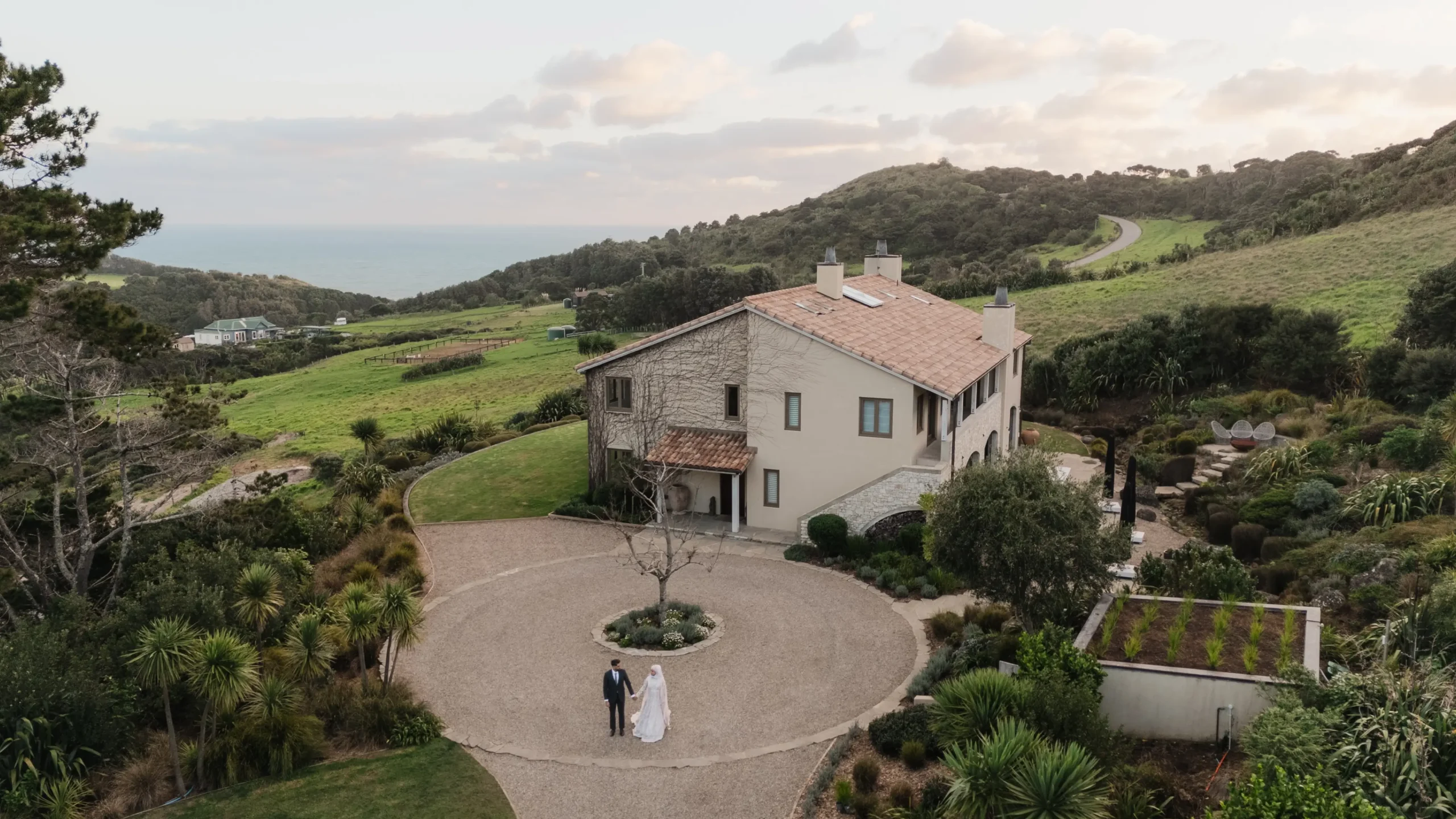
When you look through a professional wedding album, you might notice that some images simply feel “right” without knowing why. Often, this is due to the subtle use of balance in photography. This principle is not just about keeping a camera level; it is about how different parts of an image work together to create a sense of harmony. Whether it is the placement of the couple against a grand landscape or the way light dances around a veil, balance makes a photo feel stable and pleasing to the eye. Understanding this concept helps you appreciate the art behind your pictures and ensures your wedding gallery looks professional and timeless.
Key Takeaways
- Balance creates a sense of order and harmony that makes your wedding photos feel polished.
- Both symmetrical and asymmetrical compositions can make an image feel well-balanced.
- Professional photographers carefully manage light and focus to guide the viewer’s eye.
- A balanced image feels stable and allows you to focus on the emotion of the moment.
Understanding What Balance Is in Photography
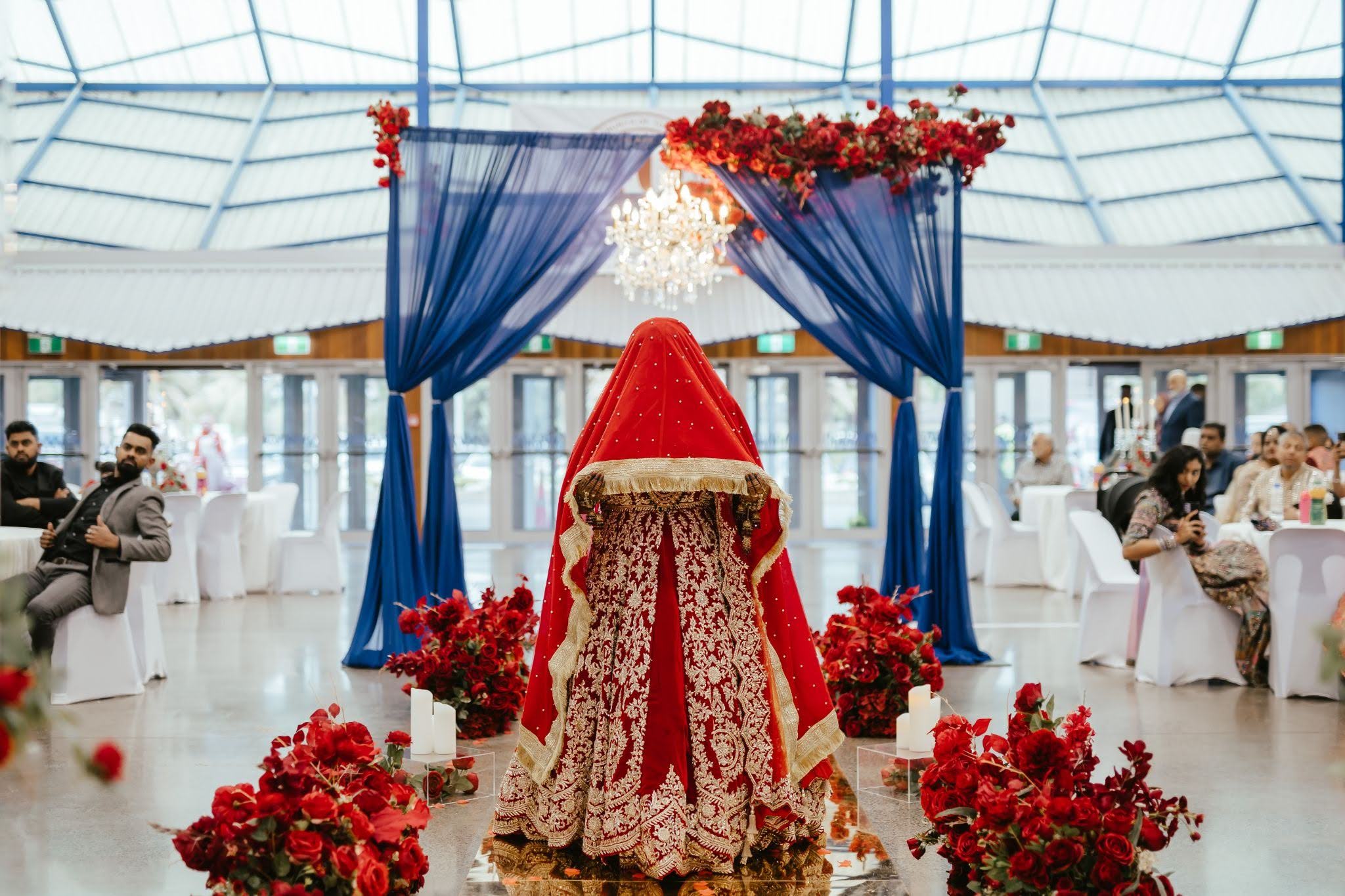
What is balance in photography? It is the arrangement of visual elements so that no single part of the image overpowers the others. Think of it like a pair of scales. If you place a large, dark object on one side, you need something of similar visual weight on the other to keep things even. Great natural wedding photography styles often rely on this technique to keep images from feeling cluttered. When a photographer frames a shot, they are constantly checking the scene to see if it feels “heavy” on one side.
The Rule of Balance in Photography and Composition
The rule of balance in photography is closely related to the famous rule of thirds. While the rule of thirds encourages you to place subjects off-centre, balance ensures that the space or negative space around them acts as a counterweight. For instance, if you are walking across a wide, open field, the photographer will capture you from a distance to show your scale against the landscape.
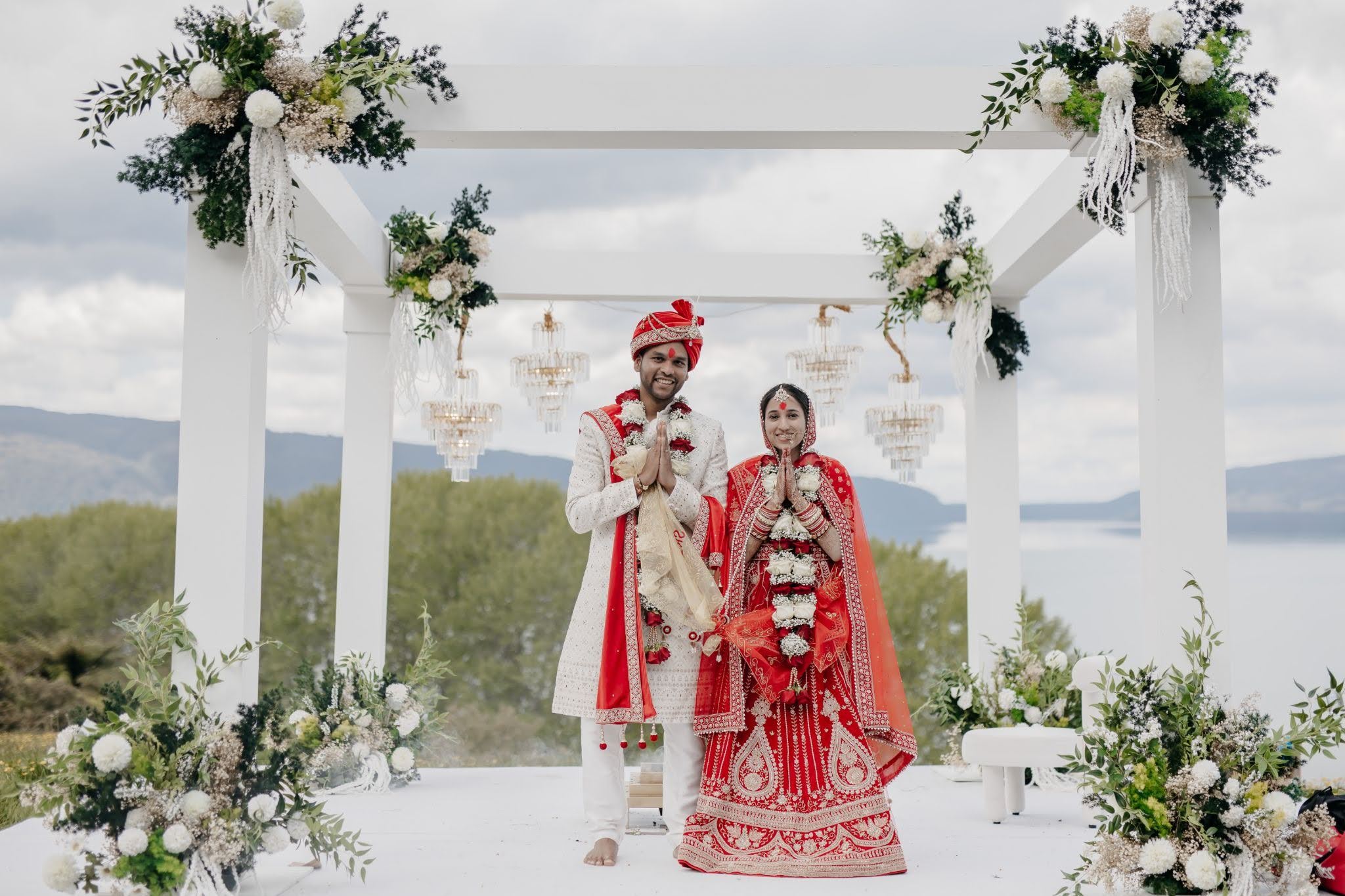
You can find many balanced photography examples in traditional portraiture. If you look at romantic wedding portraits, you will often see the couple positioned to balance out the background. Perhaps the sun is setting on one side, and the photographer uses a tree line on the other to keep the frame feeling grounded.
Achieving Light Balance in Photography
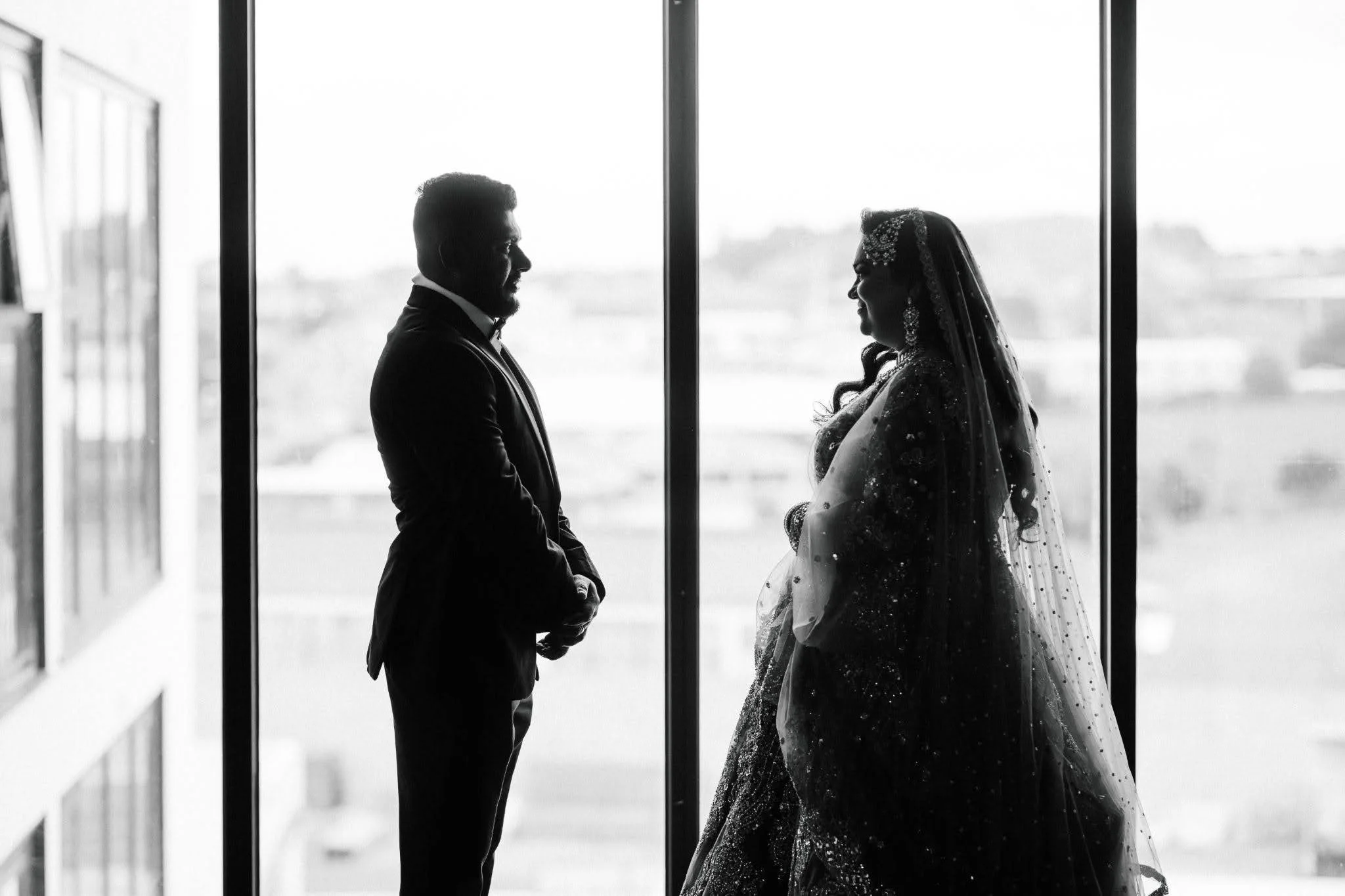
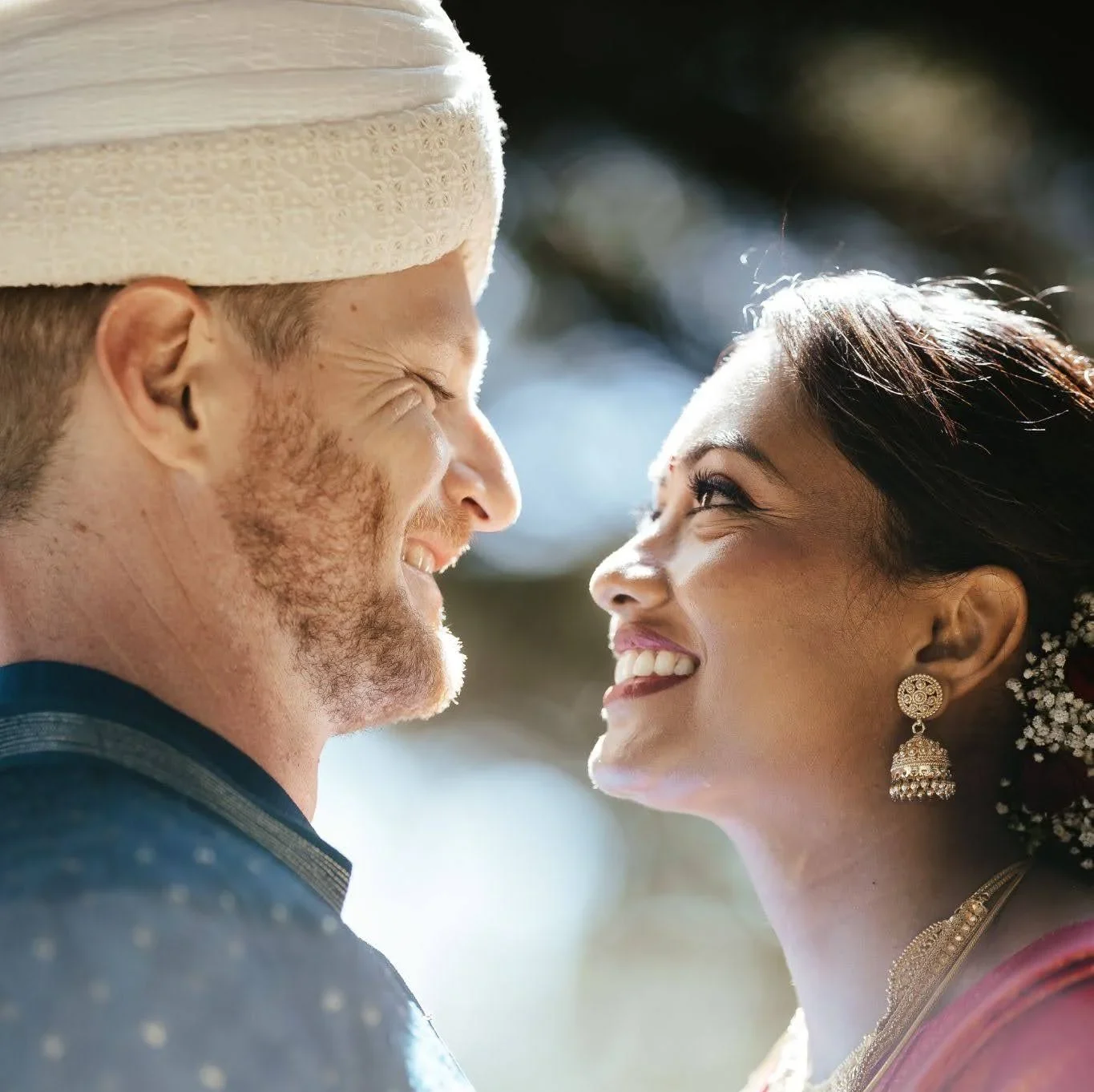
While composition is vital, balance in photography lighting is just as important for a professional look. This involves managing the brightness and darkness within your frame to ensure nothing is lost in shadow or too bright to see detail. It is a delicate act of balancing the highlights and the shadows. A skilled photographer knows how to use natural light to fill in the darker areas of your face or the venue. This prevents harsh, distracting contrast that can make a photo feel “off” or uncomfortable to look at.
Why Harmony in Your Photos Matters
- Stability: Balanced photos feel calm and secure, which suits the tone of a wedding.
- Focus: When an image is balanced, your eye naturally lands on the couple first.
- Professionalism: High-quality composition signals that your photographer cares about the details.
- Longevity: Balanced photos rarely go out of style, as they rely on classic visual principles.
Conclusion
The art of balance in photography is a quiet magic that makes your wedding photos look stunning and timeless. From the way light is managed to how your subjects are positioned, every choice contributes to the overall feeling of your gallery. We believe that your wedding day deserves to be documented with this level of attention and artistic care. At Lionbeats, our passion is crafting images that feel both natural and perfectly composed. If you are looking for a team that understands the value of balance and beauty, we would love to connect with you. Please reach out to us at +64 21 213 5288 or email contact@lionbeats.co.nz to discuss your upcoming wedding plans. We are here to help you capture your day in a way that feels harmonious, professional, and entirely yours.
Frequently Asked Questions
Does balance in photography always mean keeping things symmetrical?
No, balance does not require perfect symmetry, and in fact, asymmetrical balance is often more interesting. You can balance a large subject with a smaller one if the smaller subject has high visual interest or colour. It is all about how the viewer’s eye travels across the entire frame.
How does white balance in photography affect the final look of my photos?
White balance determines the overall warmth or coolness of your image. If it is set incorrectly, your skin might look too orange, or your white dress might look blue. Correct white balance ensures that the colours in your wedding gallery look accurate to what you saw with your own eyes.
Can a photographer fix composition issues after the wedding?
While some minor cropping can improve balance during the editing phase, it is much better to get it right in-camera. A professional photographer makes these decisions while they are shooting to ensure the best possible quality. Getting the composition right from the start is a sign of a high-quality artist.
Why is balance in photography lighting so difficult during an outdoor wedding?
Outdoor light changes constantly as the sun moves, creating shadows that shift throughout the day. A photographer must watch these changes and adjust their settings to keep the light balanced on your faces. This constant monitoring ensures that every photo has a consistent and professional glow.
What are some good balance photography examples to look for?
Look for photos where the subject is balanced by an environmental feature, such as a doorway or a horizon line. Another common example is using depth, where a subject in the foreground balances out a larger landscape in the back. These shots often feel the most “cinematic” and well-structured when you view them.