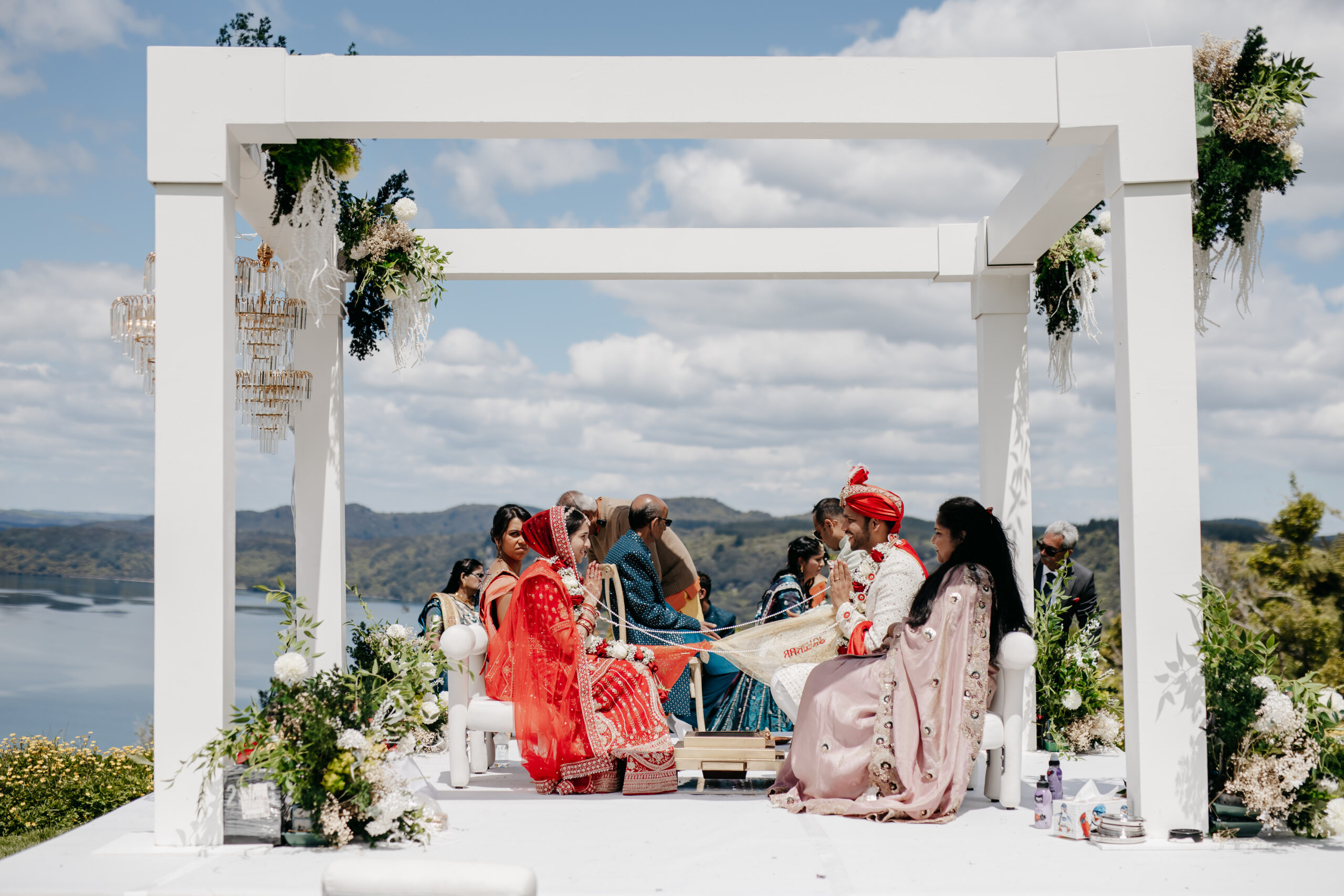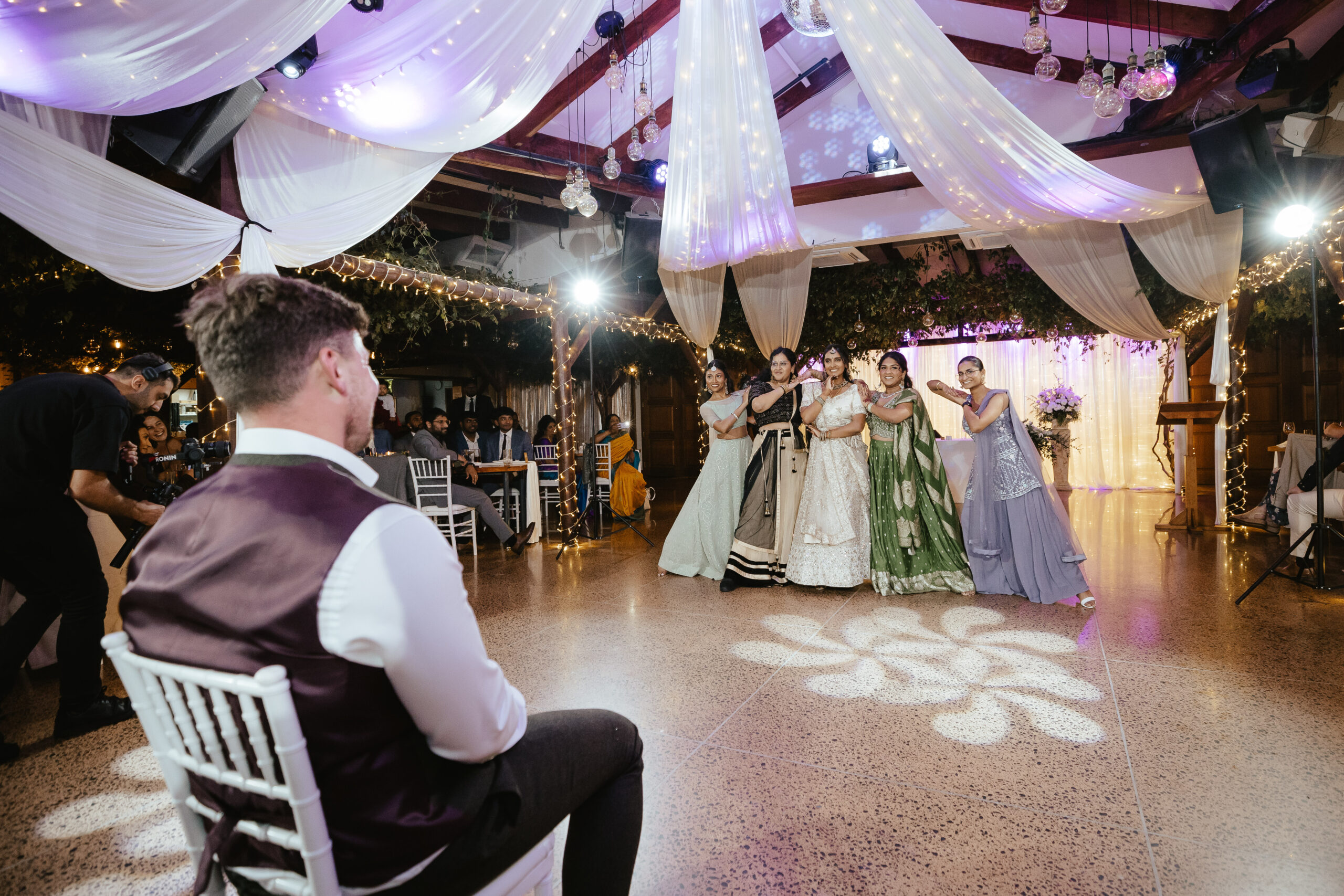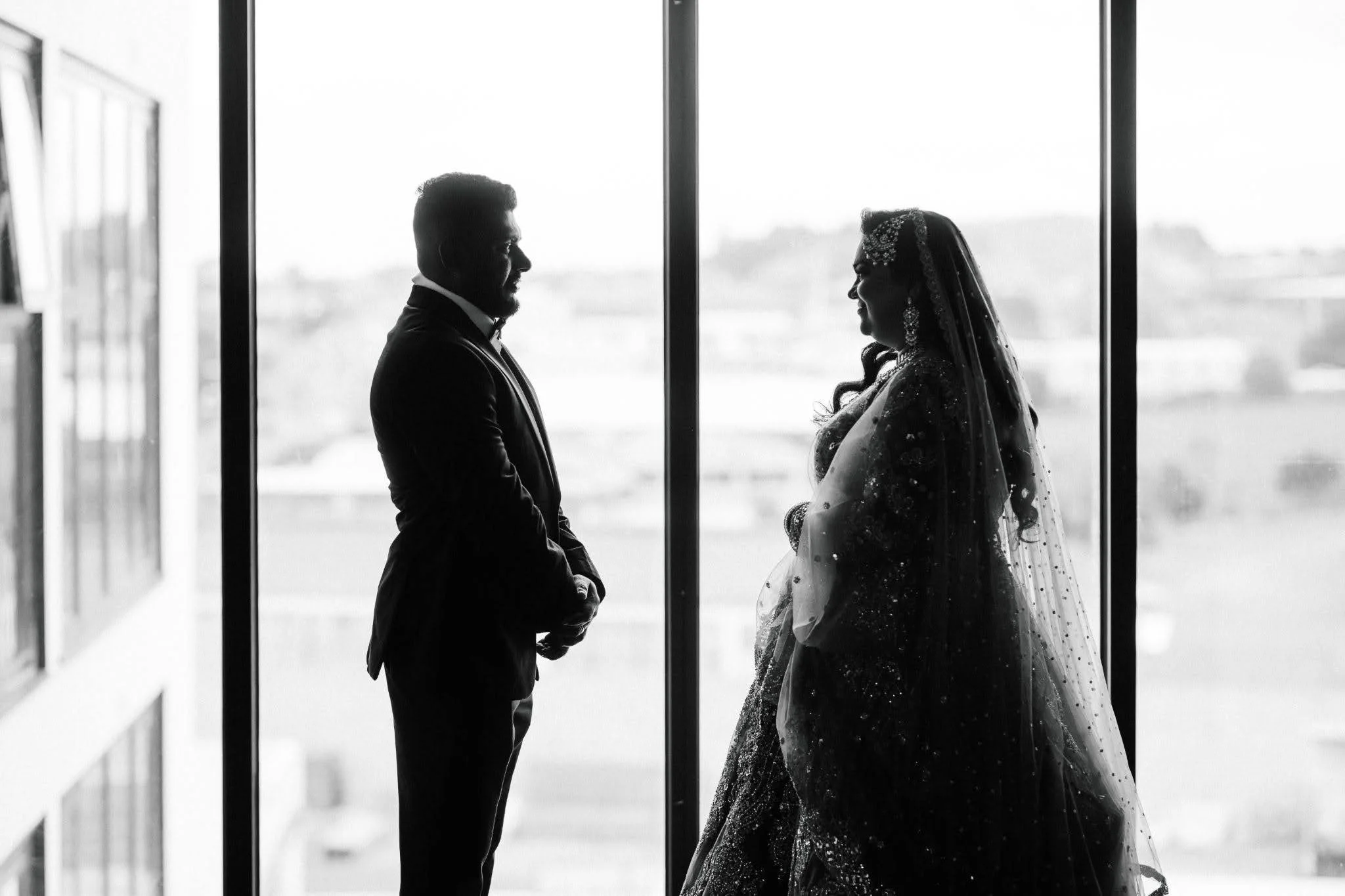
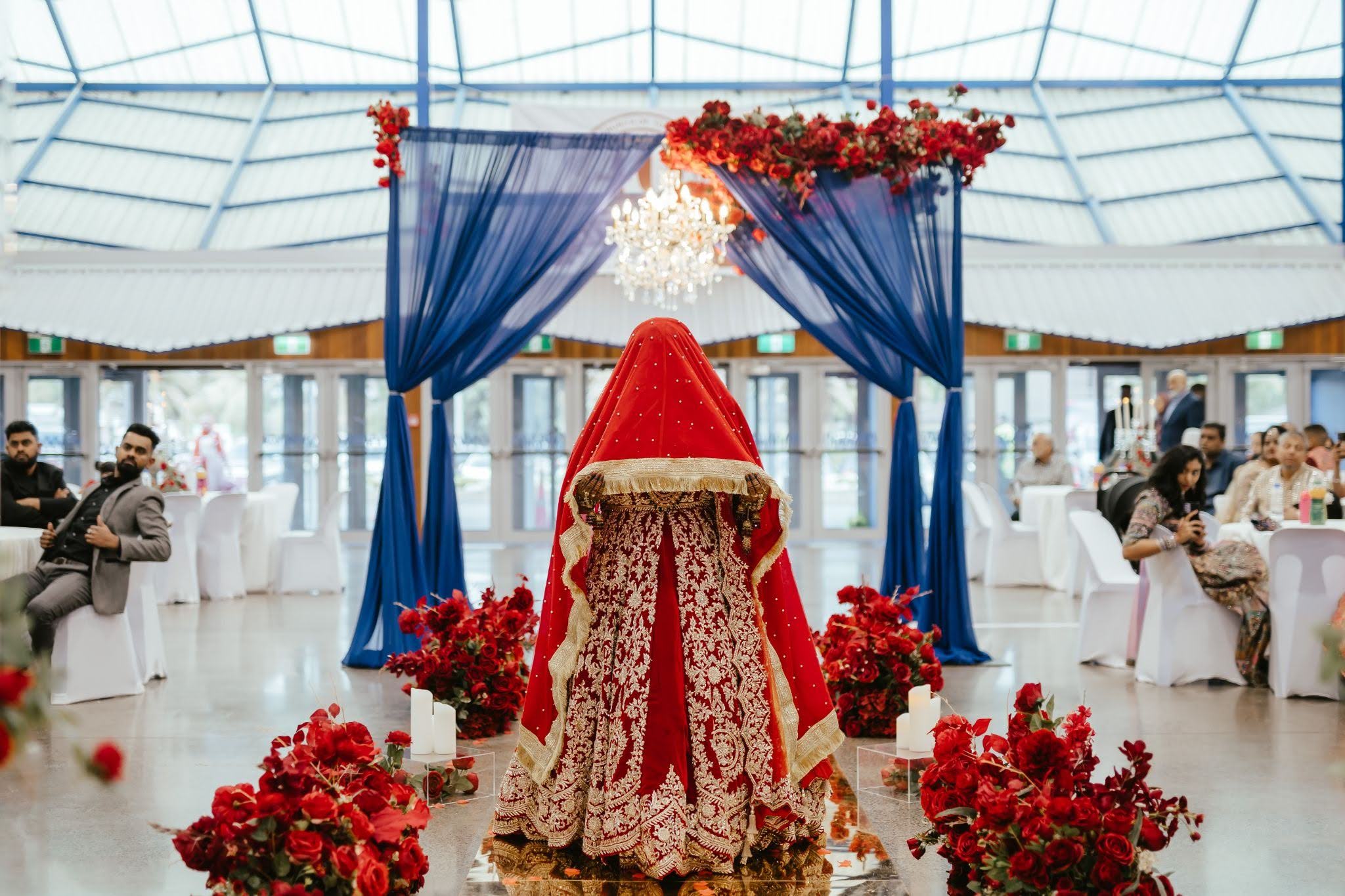
An outdoor Indian wedding in New Zealand needs the right venue, a clear weather plan, safe mandap setup, guest comfort planning and a timeline built around light and rituals. Early planning also helps your Indian wedding photography team capture the Baraat, Varmala, Pheras, blessings and family portraits.
A garden, vineyard, beach or private estate can create a colourful ceremony setting, but it must allow family members and other guests to move comfortably, as well as it should accommodate sound, décor, food service and photo and video access. The best plan balances culture, comfort and timing before the final run sheet is confirmed.
Key Takeaways
- Choose a venue with shade, toilets, power, parking and an indoor backup.
- Plan the ceremony for morning or late afternoon where possible.
- Keep clear space around the mandap for rituals and coverage.
- Use secure décor that suits wind, grass and uneven ground.
- Share the run sheet, rain plan and family photo list with suppliers early.
How Do You Choose Outdoor Indian Wedding Venues in New Zealand?
Choose a location for access, backup space and ceremony flow, not just scenery. The venue should support rituals, guest movement and supplier setup without making the day feel rushed.
Before booking, check that the venue has:
- A usable lawn or garden ceremony space
- A covered or indoor Plan B
- Enough room for the mandap and Baraat
- Clear pathways for elders and guests
- Supplier parking and early setup access
- Permission for music, petals, drones and fire-safe rituals
- Space for photo and video teams to move without blocking guests
When Is the Best Time to Hold an Outdoor Indian Wedding?
Morning or late afternoon is usually best because the light is softer and the temperature is easier for guests. This is especially helpful when families are wearing lehengas, saris, sherwanis, turbans, jewellery and layered formal clothing.
Midday sun can affect makeup, flowers, video quality, portraits and guest comfort. If midday is unavoidable, add shade, water stations, fans or parasols, then build the ceremony, refreshments, and photo schedule around the light.
How Do You Plan an Outdoor Indian Wedding Around New Zealand Weather?
Planning for changing weather should begin before you confirm the décor, mandap layout or ceremony timeline. New Zealand conditions can shift quickly, so couples need practical plans for rain, wind, strong sun and cooler temperatures, even during spring and summer.
1. Choose a Venue With a Genuine Indoor Backup
Confirm that the venue has a covered or indoor space large enough for the mandap, priest, couple, immediate family and guests. Ask whether the backup area is included in the hire fee and how quickly the ceremony can be moved.
2. Set a Clear Weather Decision Time
Agree on who will make the final decision to move indoors and when that decision must be made. This gives the venue, stylist, caterer and photography team enough time to adjust without creating confusion for guests.
3. Secure the Mandap and Décor
Ask the stylist to use weighted floral stands, firmly secured fabric and stable aisle decorations. Avoid lightweight items that may move in strong wind or create hazards on wet or uneven ground.
4. Prepare for Guest Comfort
Provide shaded seating, water and sun protection during warm conditions. Keep umbrellas, covered walkways, blankets or heaters available when rain or cooler weather is possible, and tell guests what footwear will suit grass or damp surfaces.
5. Create a Wet-Weather Photography Plan
Choose an indoor or covered portrait location before the wedding day. The photography and videography team should know where family portraits, couple photographs and important details will be captured if the outdoor space becomes unsuitable.
6. Prepare the Backup Space in Advance
Add simple décor, appropriate lighting and clear seating to the indoor ceremony area before guests arrive. A lightly styled backup space will still feel intentional and meaningful if the weather changes.
Share the final weather plan, venue map and ceremony layout with the planner, priest, stylist, caterer, photographer and videographer before the wedding. Clear preparation allows the celebration to continue calmly without rushing important rituals or family photographs.
What Layout Works Best for an Indian Wedding Outdoor Ceremony?
The best outdoor layout depends on the couple’s ceremony traditions, guest count and venue. Whether the celebration includes a mandap, ceremonial stage, Nikah seating, Sikh wedding entrance or another family-specific arrangement, the layout should give guests a clear view while allowing relatives and suppliers to move comfortably.
1. Position the Main Ceremony Area Carefully
Place the mandap, ceremonial stage or main seating area on firm and level ground. Check the direction of the sun so the couple and ceremony leaders are not facing strong glare for long periods.
2. Allow Space for Ceremony Participants
Reserve enough room for the couple, parents, elders, pandit or ceremony officiant and other family members involved in the traditions. The ceremony area should support each ritual without feeling crowded or restricting guests’ views, providing room for the family to move, and for the photography and videography team to access certain areas for their shoots easily.
3. Reserve Accessible Family Seating
Place parents, grandparents, siblings and relatives with ceremony roles near the front. This allows them to participate without walking through several rows of guests.
4. Arrange Guest Seating With Clear Views
Use straight, curved or angled rows facing the main ceremony area. Avoid tall floral displays, signs or decorations that could block guests’ view.
5. Keep Side Access Lanes Open
Leave clear pathways on both sides of the seating area for family members, coordinators, photographers and videographers. This helps the team move discreetly without crossing directly in front of guests.
6. Plan the Couple’s and Family Entrances
Create clear routes for the bride, groom, wedding party and family entrances. Where relevant, allow additional space for a Baraat, musicians, drummers or larger family processions.
7. Create a Safe Area for Sound and Musicians
Position microphones, speakers and musicians close enough for guests to hear clearly without crowding the ceremony area. Cover cables and keep equipment away from walkways.
8. Prepare Space for Ceremony Items
Set aside an organised area for flowers, gifts, religious items, seating cushions or other objects required during the ceremony. Keep these items accessible without cluttering important photography angles.
9. Choose a Nearby Portrait Location
Select a shaded or covered area close to the ceremony for couple and family photographs. A nearby location reduces delays and allows elderly relatives to join portraits comfortably.
10. Keep the Décor Low and Secure
Use weighted floral arrangements, firmly secured fabric and low aisle decorations. Styling should complement the ceremony without restricting movement or blocking guests and cameras.
11. Mark the Full Layout Before Finalising Décor
Before styling begins, mark the ceremony area, family seating, guest rows, entrances, sound equipment, ritual items and supplier access lanes. This ensures the layout supports the ceremony first, with decorations added around the practical requirements.
12. Confirm the Layout With the Family and Ceremony Leader
Indian wedding traditions vary between families and communities. Review the final arrangement with the couple, family representative, priest, celebrant or religious leader to ensure the space supports the ceremony correctly.
What Outdoor Indian Wedding Decoration Ideas Work Best?
The best décor should be colourful, secure, and easy to adjust to weather changes. It should frame the couple, guide guests through the ceremony space and keep the mandap open for rituals and family movement.
For garden outdoor wedding decorations, Indian families often prefer
- florals
- soft fabric
- brass accents
- rangoli-inspired details
- low aisle pieces
Indian outdoor wedding decorations should be tested before guests arrive, with fabric tied firmly, floral stands weighted and rugs flattened.
How Do You Plan the Ceremony Step by Step?
A clear process keeps the day organised because Indian weddings often include rituals, legal signing, portraits, family blessings and reception travel. Each step should have an owner and enough buffer time.
- Confirm the marriage licence. In New Zealand, couples need to arrange a marriage licence at least 3 working days before the wedding. It expires after 3 months.
- Choose the ceremony space. Check power, shade, parking, toilets, access and backup options.
- Build the mandap layout. Place the mandap first, then family seating, guest rows, music and camera lanes.
- Confirm the timeline. List the Baraat, entrances, Varmala, Pheras, blessings, signing, portraits and reception travel.
- Prepare guests. Tell them about grass, footwear, weather, parking and arrival time.
- Share the plan. Send the run sheet to the venue, priest, celebrant, stylist, caterer, planner, photographer and videographer.
Use the ultimate wedding photography checklist to avoid missing family groups, ceremony details and portrait priorities.
What Are the Pros and Cons of an Outdoor Indian Wedding?
Hosting the ceremony outside gives families more space, natural light and a relaxed setting. It also needs stronger planning because weather, sound and guest comfort are harder to control in an open-air venue.
| Pros | Cons |
| Natural light supports softer portraits | Harsh sun can affect comfort |
| Gardens add colour and texture | Wind can move fabric and florals |
| Open spaces support processions | Rain can change the schedule |
| Scenic settings suit couple portraits | Sound may need extra equipment |
| Large lawns suit family groups | Elders may need easier access |
How Should Photography and Videography Be Planned for an Outdoor Indian Wedding?
Photography and videography should be considered before the ceremony layout and timeline are finalised. Indian weddings vary between families and communities, so the creative team should understand the ceremony order, important people and cultural moments before the event.
1. Share the Full Wedding Schedule
Provide the photography and videography team with the ceremony programme, entrance order, family roles, performances and reception timings. Highlight moments that cannot be repeated, including blessings, exchanges, processions and important family traditions.
2. Review the Ceremony Layout
Show the team where the main ceremony area, guest seating, entrances, musicians and sound equipment will be placed. Where a mandap is used, leave enough space around it for the couple, family members, ceremony officiant and camera team to move safely.
3. Keep Clear Camera Access
Maintain open pathways on both sides of the guest seating and ceremony area. This allows photographers and videographers to change positions discreetly without walking in front of guests or interrupting the ceremony.
4. Plan Around the Available Light
Check where the sun will fall during the ceremony and portrait session. Avoid placing the couple directly into harsh glare where possible, and schedule important portraits for a time when the light is softer and more comfortable.
5. Choose Portrait Locations in Advance
Select nearby areas for couple portraits, immediate family photographs and larger group photos. Include a shaded or covered location and an indoor alternative in case of strong sun, wind or rain.
6. Prepare for Clear Audio
Videography requires clear sound as well as strong visuals. Confirm whether microphones, speakers and the venue sound system can be accessed for prayers, music, speeches, performances and family blessings.
7. Identify Important People and Details
Give the team a family photo list and identify parents, grandparents, siblings, elders and other relatives involved in the ceremony. Point out meaningful details such as outfits, jewellery, heirlooms, ceremonial items and décor that should be photographed before the area becomes busy.
8. Share the Wet-Weather Plan
Tell the team when the decision to move indoors will be made and where the ceremony and portraits will take place if conditions change. The backup space should provide enough room, suitable lighting and clear camera access.
9. Coordinate Photography and Videography
Both teams should work from one schedule and agree on key camera positions before the ceremony. This reduces blocked views, repeated directions and competition for the same angles.
10. Allow Enough Time for Natural Moments
Build realistic buffers around entrances, rituals, outfit changes, family portraits and travel between locations. A flexible schedule gives the team time to document candid reactions and family interactions without making the celebration feel staged or rushed.
Indian ceremonies move quickly. One moment may focus on the couple, while another happens between parents, siblings or elders. Indian wedding videography helps preserve movement, music, prayers, speeches and emotional reactions that photos alone cannot fully show.
How Do You Keep Guests Comfortable Outdoors?
Guest comfort should be planned as carefully as the décor. Heat, wind, rain, uneven ground and long walking distances can affect how comfortably guests experience an outdoor Indian wedding.
- Provide shaded seating, water stations and sun protection for warm weather.
- Reserve accessible seats near the ceremony area for elders, pregnant guests and people with limited mobility.
- Keep walking routes between the car park, ceremony, toilets and reception clear and as short as possible.
- Use stable flooring, rugs or temporary pathways over wet, soft or uneven ground.
- Tell guests in advance whether the ceremony will be held on grass so they can choose suitable footwear.
- Provide umbrellas or covered walkways if rain is possible.
- Offer blankets, outdoor heaters or sheltered seating for cooler evenings.
- Use clear signs for parking, toilets, ceremony seating and reception areas.
- Provide insect control where required, particularly for garden, vineyard or waterside venues.
- Make water, refreshments and toilets easy to access throughout longer ceremonies.
- Create a comfortable area for children and families who may need a short break from the ceremony.
- Send guests a short weather and venue note covering arrival time, footwear, sun protection, warm layers and any transport arrangements.
What Should Couples Budget for When Planning an Outdoor Indian Wedding?
Outdoor weddings can involve additional costs because the venue may need temporary structures, weather protection and equipment that an indoor space already provides. Budget for guest comfort and essential logistics before spending more on decorative elements.
- Mandap construction, installation and pack-down
- Wet-weather ceremony space or marquee hire
- Secure flooring for grass, damp ground or uneven surfaces
- Shade structures, parasols or covered guest seating
- Outdoor heaters, blankets or fans for changing temperatures
- Sound equipment, microphones and technical support
- Power generators, extension cables and safe cable covers
- Lighting for the ceremony, pathways and evening reception
- Umbrellas and covered walkways for wet weather
- Stable chairs, tables and accessible seating for elderly guests
- Additional toilets or portable facilities where required
- Catering equipment, food stations and water stations
- Transport between parking, ceremony and reception areas
- Venue permits, security and noise-related fees
- Décor weights, weather-resistant materials and backup styling
- Photography and videography coverage
- Extra portrait time before the outdoor light changes
- Additional coverage for the Baraat, cultural ceremonies or multi-day events
- Supplier travel, early access, overtime and pack-down charges
- Contingency funds for last-minute weather changes
Confirm which items are included in the venue hire before finalising the budget. A clear breakdown helps couples prioritise ceremony safety, guest comfort and reliable photography before adding optional décor.
What Should Be Shared With Suppliers?
Suppliers need clear information at least one week before the wedding. This keeps the ceremony organised and avoids rushed decisions on the day.
Share the ceremony run sheet, venue map, mandap layout, rain plan, family photo list, ritual list, parking details and main contact person. Also confirm when the Baraat, Varmala, Pheras, blessings, legal signing and group portraits will happen.
Plan a Calm, Meaningful and Well Covered Outdoor Celebration
An outdoor Indian wedding works best when the venue, weather plan, mandap layout, guest comfort, timing and coverage schedule are planned together. With the right preparation, the ceremony can feel respectful, organised and natural for the couple, families and guests.
Lionbeats helps couples capture cultural celebrations with thoughtful photography and videography, from rituals and blessings to portraits, reception moments and multi-day events. Call +64 21 213 5288 or email contact@lionbeats.co.nz to discuss coverage for your celebration in New Zealand.
Frequently Asked Questions
Is an outdoor Indian wedding suitable for New Zealand weather?
Yes, if the venue has shade, shelter and a real backup space. Plan for sun, rain and wind early, then set a clear decision time for moving indoors.
Does an outdoor ceremony need a covered mandap?
Yes, a covered mandap helps with shade, visual focus and comfort. It should be secure, open enough for airflow and placed with clear access for family and suppliers.
Can guests wear heels to a garden ceremony?
Guests can wear heels, but wedges, block heels or flats are safer on grass. Tell guests early so they can choose footwear that suits the surface.
Is a garden or beach better for an Indian ceremony?
A garden is usually easier because it offers flatter ground, stronger seating control and better décor stability. A beach can work, but wind, sand, permits and sound need more planning.
Can Lionbeats cover multi-day outdoor wedding events?
Yes, Lionbeats can cover outdoor ceremonies, pre-wedding portraits, receptions and multi-day cultural celebrations. Call +64 21 213 5288 or email contact@lionbeats.co.nz to discuss coverage.