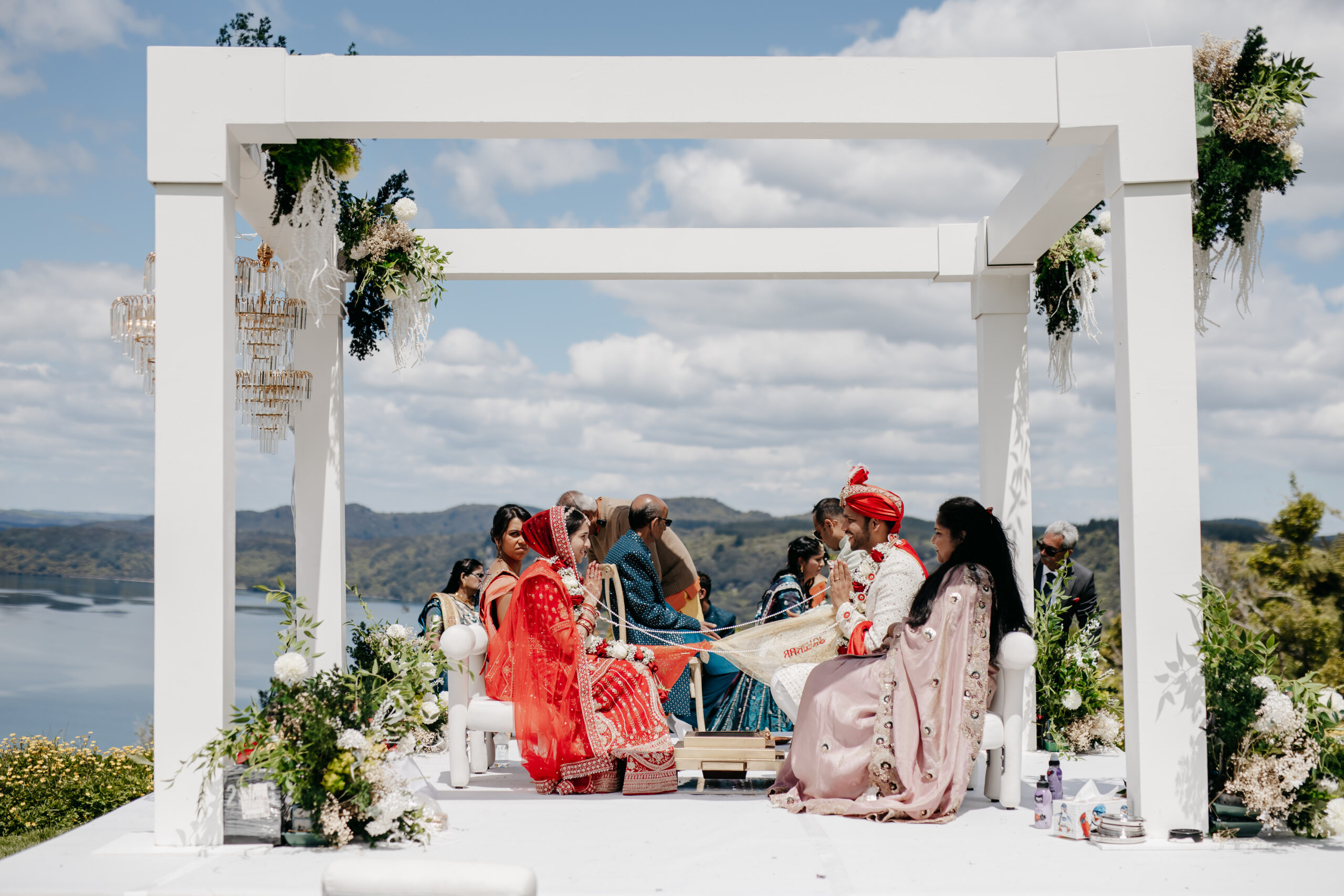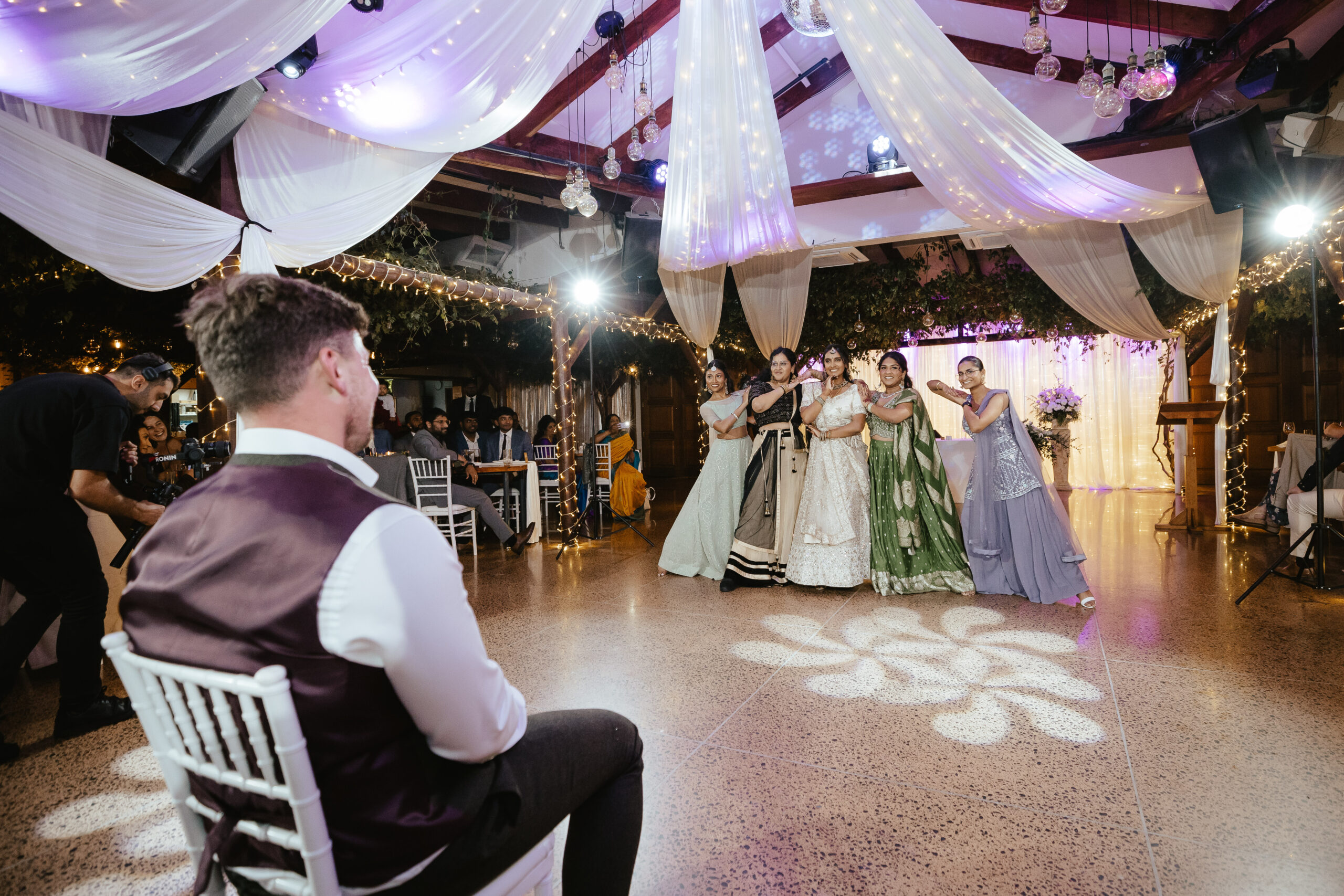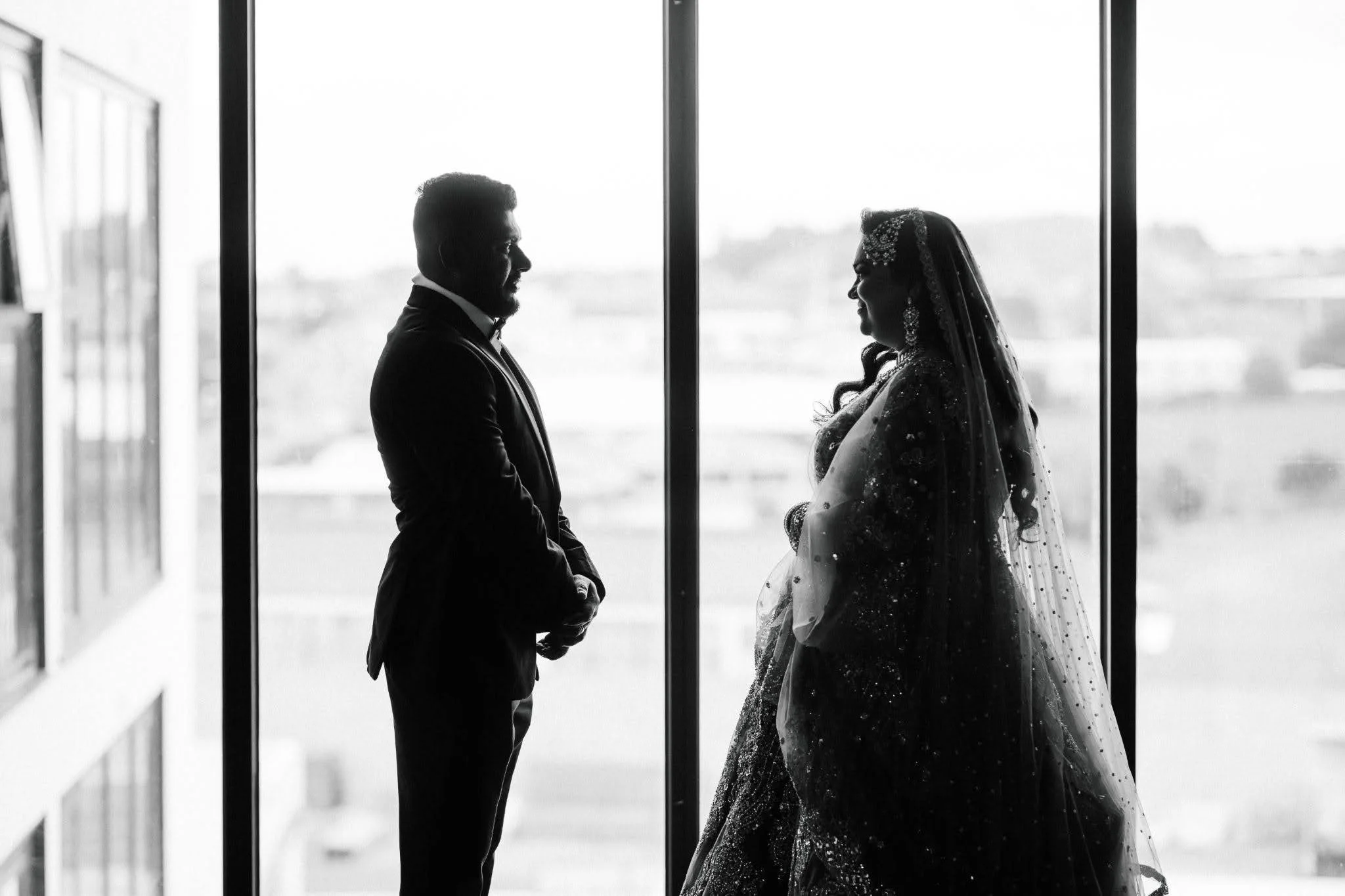
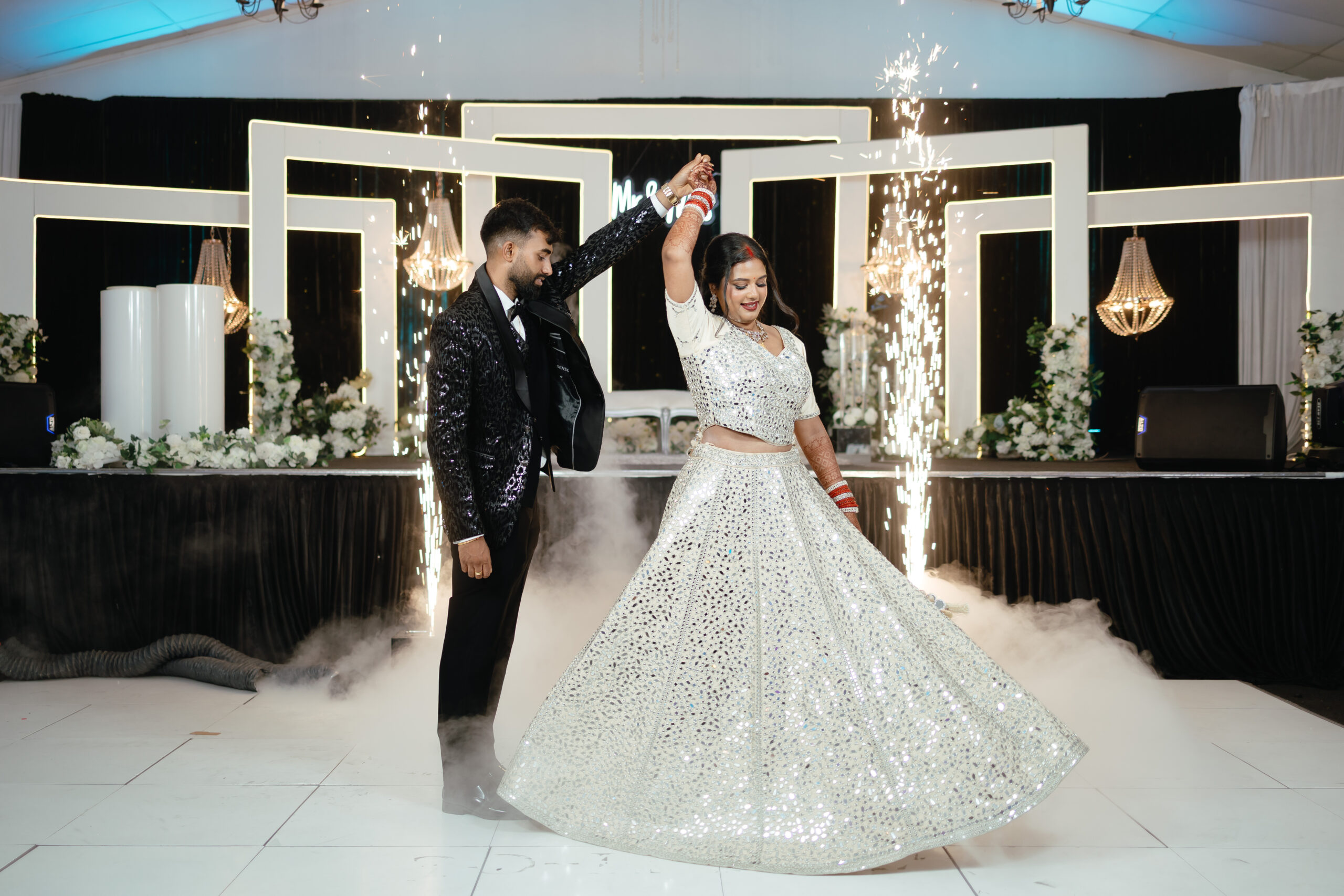
A sangeet night becomes unforgettable when it feels personal, well-paced, and welcoming to every generation. Balance performances, games, food and dancing, then coordinate the programme with an experienced Indian wedding photography team so important entrances, reactions and family connections are preserved.
Key Takeaways
- Plan four to six meaningful performance groups instead of filling every minute.
- Keep individual dances, games and speeches short.
- Choose lighting, décor and clothing that support safe movement.
- Share one final running order with every supplier.
- Leave time for food, family photographs and spontaneous dancing.
What Is a Sangeet Night?
A Sangeet night a pre-wedding celebration centred on music, dance, family connection, and entertainment. Traditions vary between regions, communities, and families, so there is no single format every couple needs to follow.
Some celebrations are large, performance-led events with elaborate staging. Others are smaller gatherings built around dinner, family dances, and an open dance floor. The programme should reflect both families rather than follow a fixed formula.
Define the Purpose First
Decide what you want guests to remember about the event before organising performances or décor. A clear purpose makes decisions about the schedule, budget, venue, and rehearsals easier.
Discuss:
- Whether the celebration will feel traditional, modern, or a mix of both.
- Which languages and music styles represent each family.
- Whether the event will be combined with Mehndi.
- Which elders, children, and overseas guests should have a role.
- How much time should remain for eating and socialising.
Understanding wider Indian wedding traditions can also help couples decide where the celebration fits around Haldi, Mehndi, the Baraat, and the main ceremony.
Include Guests Who Do Not Dance
Not every guest needs to perform to feel involved. Non-dancers can participate as emcees, judges, storytellers, musicians, or quiz participants.
Children could introduce a performance, while grandparents may choose a song, share a blessing, tell a short story, or join the final steps of a family dance. These roles help make the evening inclusive across generations.
Choose Performances and Entertainment Guests Will Enjoy
A strong programme changes pace throughout the evening. Mix energetic dances with shorter personal moments, then include food or conversation breaks so guests and performers have time to recharge.
Create Family Dances With a Story
Performances are easier to remember when they communicate one clear idea. A routine might reflect childhood memories, friendships, the couple’s relationship, or the joining of two families.
Performance groups could include:
- Bride’s family welcome dance
- Groom’s family response
- Siblings’ childhood medley
- Friends’ story-based routine
- Parents’ classic song
- Couple’s final performance
Four to six meaningful groups are usually easier for guests to enjoy than a long sequence of similar dances.
Add Friendly Competitions and Games
Friendly competitions can encourage both sides of the family to participate without requiring everyone to rehearse a full routine.
Possible activities include:
- Who knows the couple best?
- Guess the Bollywood song
- Finish the lyric
- Family versus family trivia
- Match the childhood photographs
Keep each game to around five to eight minutes. One emcee should explain the rules, manage the pace, and bring the programme back to the next activity.
Plan the Couple’s Entrance
Choose an entrance that suits the venue and the couple. A choreographed arrival can work well for a performance-led event, while entering with parents or siblings may better suit a family-focused celebration.
Check the route before guests arrive. Remove loose cables, low floral arrangements, unstable props, and other obstacles that could catch clothing or restrict photographers and videographers.
Choose Sangeet Night Themes and Decorations
Good sangeet night themes create a consistent visual direction without making the venue difficult to move through. Choose colours, lighting, stage details, seating, and portrait areas that work together and suit the scale of the celebration.
| Theme | Visual Direction | Best For | Practical Note |
| Modern Bollywood | Metallic details and bold lighting | Dance-focused programmes | Keep LED screens from overpowering faces |
| Garden Celebration | Greenery, florals, and warm lighting | Outdoor events | Prepare shelter and stable flooring |
| Elegant Evening | Deep colours and soft lighting | Formal dinners | Provide clear lighting on the stage |
Choose the overall direction first, then add smaller details. This helps avoid spending on decorations that compete with one another visually.
Design the Stage for Movement
The stage should comfortably accommodate the largest performance group after speakers, stairs, and décor have been installed.
Confirm:
- Floor grip
- Speaker positions
- Lighting direction
- Space for props
- Views from family tables
- Entry and exit points
- Access for photographers and videographers
If dancers need to change formations, allow enough space for them to move without approaching the stage edge.
Place Decorations With Purpose
Effective sangeet night decorations should frame the celebration without blocking movement or sightlines. Concentrate visual detail around the stage, couple’s seating, entrance, and portrait area while keeping aisles, service routes, and exits clear.
Avoid tall centrepieces that block relatives’ views of the stage. A simple, well-lit portrait area can also work better than a crowded backdrop positioned beside speakers or busy walkways.
Choose Comfortable Sangeet Night Outfits and Styling
Sangeet night outfits should look festive while allowing comfortable movement. Clothing, shoes, jewellery, hairstyles, and dupatta placement should all be tested before the event, especially if the wearer will be dancing.
Choose a Dress for Sangeet Night Celebrations
When choosing a dress for Sangeet night, consider the event’s formality, stage lighting, venue, and how much movement is planned. Lehengas, anarkalis, shararas, sarees, and Indo-Western sets can all work when they fit securely and allow easy movement.
Before the event:
- Lift both arms comfortably.
- Practise sitting and standing.
- Walk up and down steps.
- Test common dance movements.
- Secure loose jewellery and fabric.
- Pack comfortable backup footwear.
A beautiful outfit should still allow you to enjoy the evening without constantly adjusting it.
Coordinate Family Clothing
Well-planned sangeet night outfits can follow the same colour direction without making every family member dress identically. Give groups a broad palette or level of formality, then allow individuals to choose cuts that suit them.
Suitable sangeet night outfits for men include kurtas, Nehru jackets, bandhgalas, Indo-Western sets, and tailored suits. Check shoulder movement, trouser length, and shoe grip if dancing is planned.
Choose a Hairstyle That Holds
A sangeet night hairstyle should complement the outfit, neckline, jewellery, and expected level of movement. Braids, low buns, ponytails, and pinned waves can all be practical options.
Test the hairstyle with turns, stage lighting, and any dupatta or hair accessories before the event. Keep spare pins, hairspray, tissues, and jewellery fasteners near the changing area for quick adjustments.
Build a Clear Sangeet Night Running Order
A clear running order prevents long gaps, rushed performances, and confusion between suppliers. Include entrances, food, speeches, games, performances, portraits, and open dance time, with short buffers around the main activities.
Follow a Step-by-Step Planning Process
- Confirm the venue and guest count. Check capacity, accessibility, sound limits, and the required finishing time.
- Choose performance groups. Give each group a leader and a clear time limit.
- Collect the music. Save clearly labelled files on at least two devices.
- Build the programme. Alternate energetic performances with calmer activities.
- Confirm technical cues. Note microphone, lighting, music, and prop requirements.
- Share the schedule. Give suppliers and key family members the same final version.
- Test the stage. Check music, lighting, entrances, exits, and performance space.
- Protect open dance time. Leave at least 45 minutes if guest dancing is important to the celebration.
A complete wedding planning checklist can connect the programme with transport, outfits, supplier payments, family responsibilities, and other wedding events.
Use a Realistic Timeline
The exact schedule will depend on the venue and families, but a simple running order can help prevent performances from taking over the entire evening.
| Time | Activity | Planning Note |
| 6:00 pm | Guest arrival and portraits | Serve light refreshments |
| 6:30 pm | Couple’s entrance | Keep the route clear |
| 6:45 pm | First performance block | Include two or three groups |
| 7:15 pm | Game or welcome speech | Keep it under ten minutes |
| 7:30 pm | Dinner | Give performers time to reset |
| 8:15 pm | Priority family dances | Place important groups first |
| 8:50 pm | Couple’s performance | Confirm camera cues beforehand |
| 9:00 pm | Open dance floor | Remove unnecessary stage props |
Treat this as a framework rather than a strict template. Allow extra time when the event includes larger groups, outfit changes, live musicians, or complex entrances.
Coordinate Photography and Videography Early
Music and dance events move quickly, and many meaningful moments happen away from the stage. Good coverage includes performers as well as parents, grandparents, siblings, friends, and other guests reacting to them.
Share the Performance Brief
Give the photography and video team:
- The final programme
- Performer names and relationships
- Entry and exit directions
- Surprise performance cues
- Important elders and overseas guests
- Planned speeches, gifts, and special effects
- Priority family photograph groups
Professional Indian wedding videography can also preserve speeches, music, and natural sound. Arrange access to the sound desk before guests arrive when recorded audio is important.
Schedule Portraits Before Dancing
Take the largest formal family photographs before the main programme or during a planned break. Gathering relatives usually becomes harder once performances and open dancing begin.
Lionbeats began photographing Indian weddings in 2009 and understands Punjabi, Gujarati, Tamil, Telugu, Bengali, Sikh, Muslim, and fusion celebrations. Its family-run team can tailor combined photo and video packages for a single celebration or several wedding events.
Protect Moments That Cannot Be Repeated
Tell the photography and video team about surprise dances, entrances, speeches, and gifts in advance, even when other guests should not know. The team can prepare without revealing the surprise.
Advance notice is particularly useful when a performance involves elderly relatives, young children, live musicians, special effects, or family members who have travelled from overseas.
Conclusion
A memorable sangeet night combines personal performances, inclusive entertainment, comfortable styling, a realistic schedule, and thoughtful photography and video planning. The programme does not need to include every trend or activity to feel special.
Focus on what represents your families, give guests time to enjoy one another’s company, and keep the evening flexible enough for spontaneous moments. A celebration with clear planning and room for genuine interaction is often more enjoyable than an overloaded schedule.
Contact us by calling +64 21 213 5288 or request a personalised quote for your wedding. We only take a limited number of bookings yearly to ensure we provide quality services.
Frequently Asked Questions
Is a Sangeet Required for Every Indian Wedding?
No. A Sangeet may be a separate event, combined with Mehndi, or held as a smaller home gathering. The right format depends on family customs, budget, and the wider wedding schedule.
Does a Sangeet Need Professional Choreography?
No. Simple steps and clear formations can work well, especially for family groups with different dancing abilities. Professional choreography may help with large groups, medleys, limited rehearsal time, or routines involving props.
Can a Sangeet and Mehndi Happen on the Same Day?
Yes. Mehndi can take place earlier, followed by time for food, rest, and an outfit refresh before the music and dance programme begins. Allow enough time so the couple and close relatives do not feel rushed between events.
Is Two Hours Enough for a Sangeet Programme?
Yes, when the programme is focused. Two hours can accommodate a welcome, three or four performance groups, a short game or speech, the couple’s dance, and open dance time, with food served before, after, or during one planned break.
Does Lionbeats Cover Multi-Day Indian Weddings?
Yes. Lionbeats offers flexible photography and videography for pre-wedding events, ceremonies, and receptions across several days. Call +64 21 213 5288 to discuss your plans.