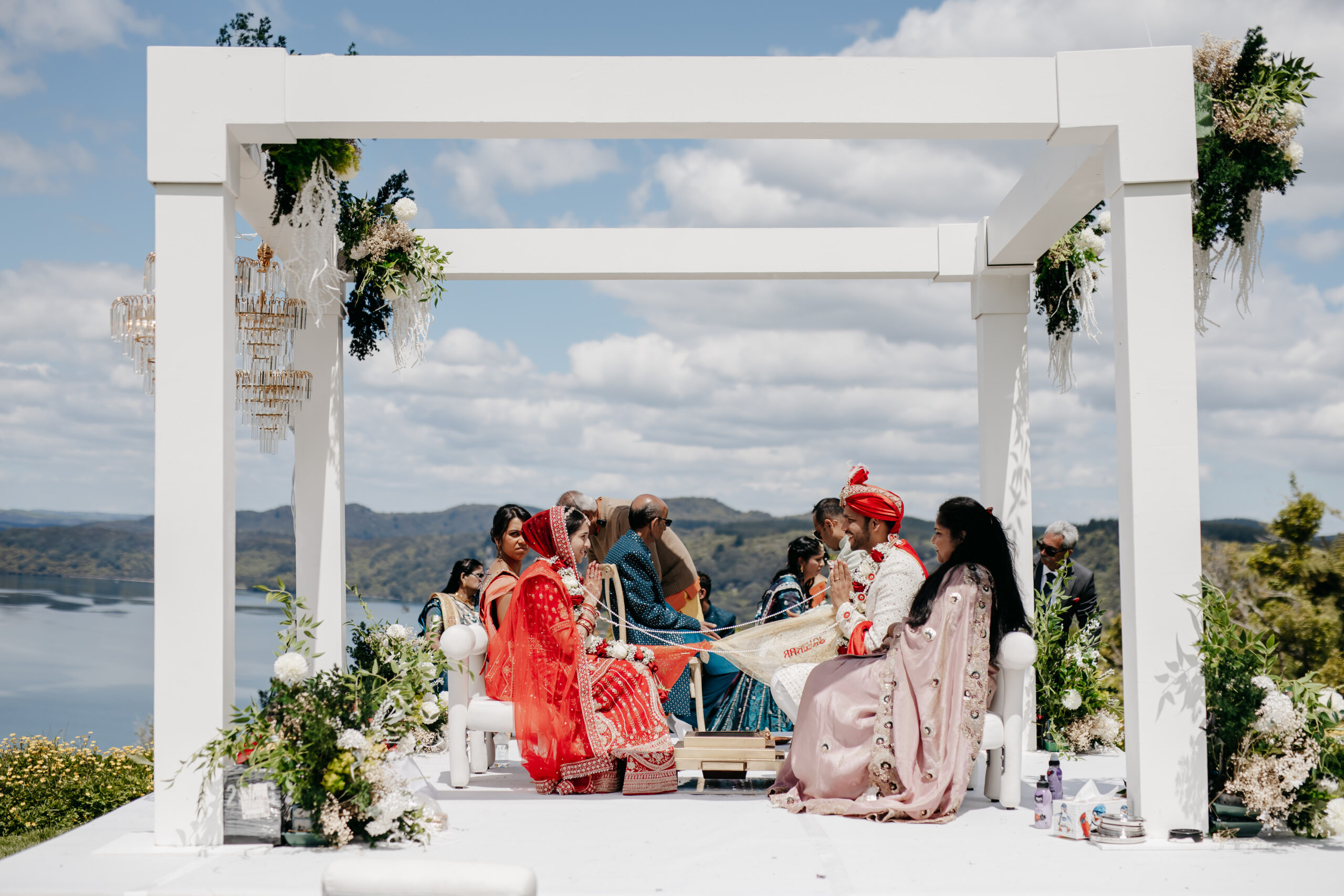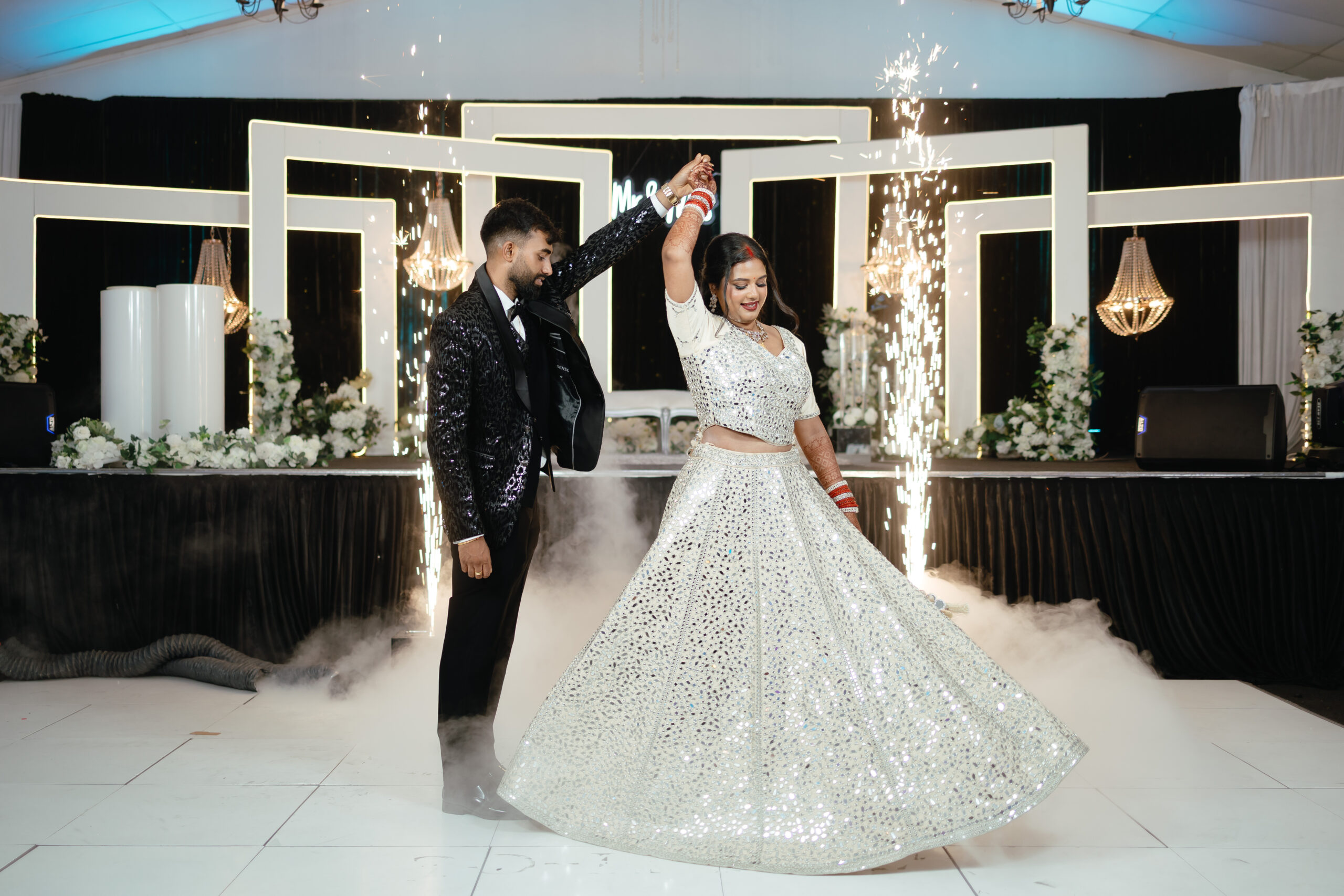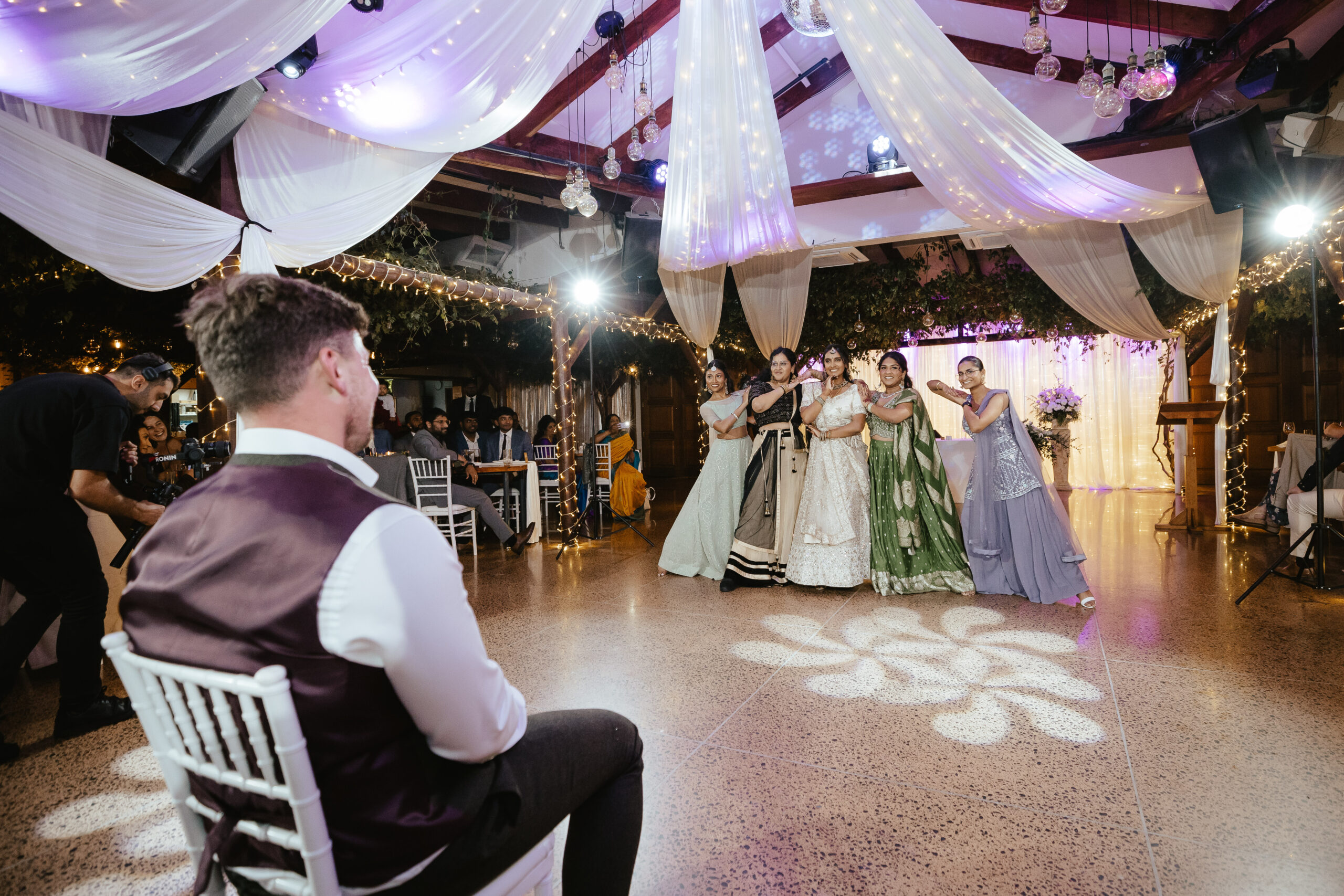
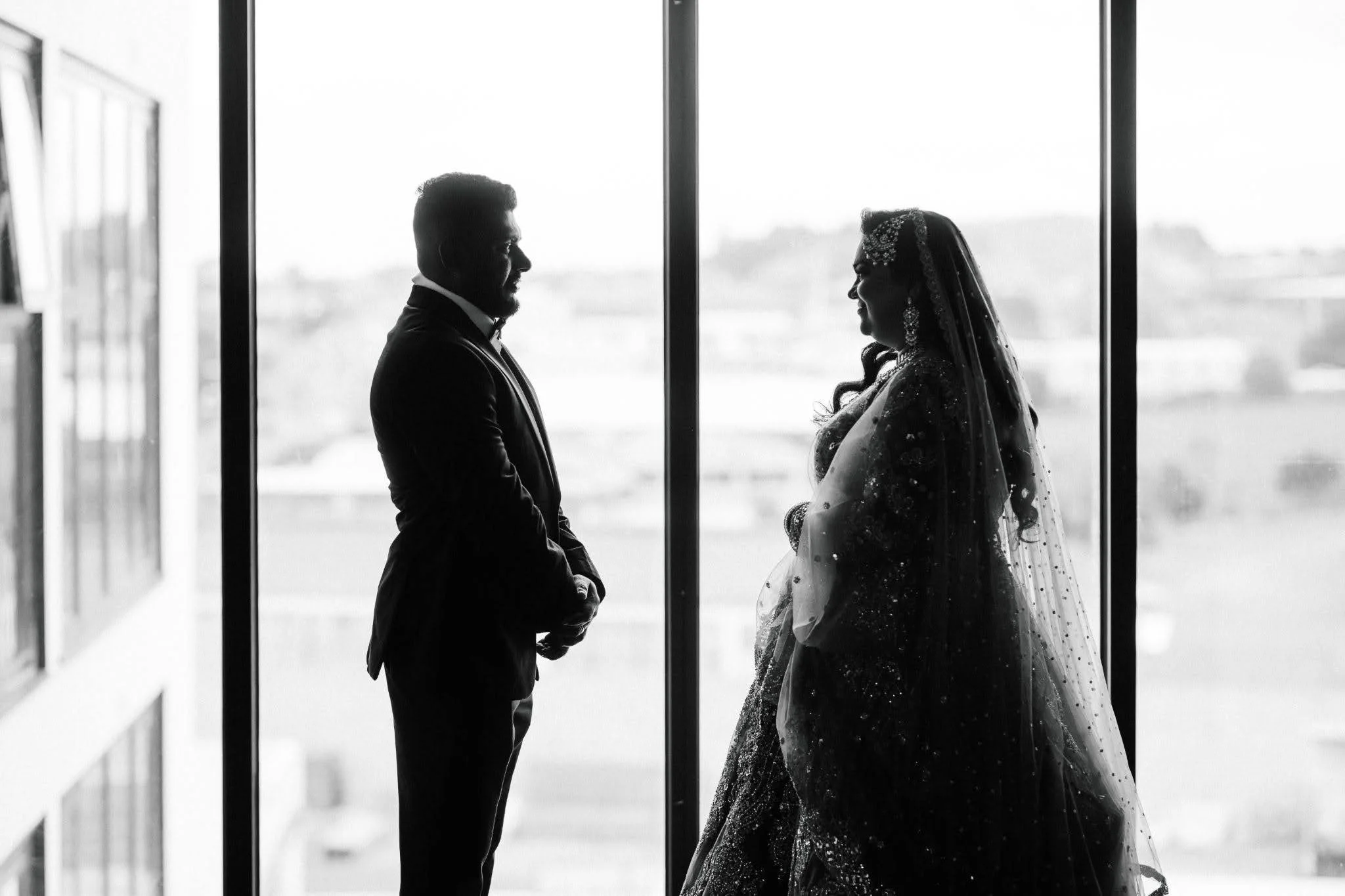
What’s an unplugged wedding?
An unplugged wedding encourages guests to put away their phones, cameras and other devices during selected parts of the celebration. It helps everyone stay present, protects the couple’s privacy and gives the photography and videography team a clear view of meaningful moments.
Key Takeaways
- An unplugged wedding can cover the ceremony, selected moments or the entire celebration.
- Ceremony-only restrictions are usually the simplest option for guests to understand.
- Invitations, signs and spoken reminders should communicate the same clear request.
- Medical, accessibility, childcare and emergency needs should always be considered.
- Coordinating the policy with your photographer, videographer, celebrant and family helps prevent confusion.
What Is an Unplugged Wedding and How Does It Work?
Unplugged wedding’s meaning is simple: guests are asked to stop taking photographs, recording videos or using social media for a defined period. Most couples apply the request to the ceremony because vows, cultural rituals, processions and family reactions can be difficult to capture when phones block the view.
An unplugged wedding ceremony does not need to mean banning devices for the whole day. Couples can choose a level that matches their priorities, guest expectations and celebration style.
| Option | What Guests Are Asked to Do | Best Suited To |
| Ceremony only | Keep devices away from the processional until the recessional | Most weddings |
| Selected moments | Avoid phones during vows, blessings, speeches or dances | Multi-event celebrations |
| Full celebration | Store devices throughout the wedding | Small or highly private weddings |
| Delayed posting | Take private photographs, but wait before sharing online | Couples concerned about privacy |
| Social media minute | Take one photograph before putting devices away | Couples seeking a compromise |
Which Option Is Best?
For most couples, a ceremony-only policy offers the right balance. It protects the most emotional and visually sensitive moments while allowing guests to take personal photographs during the reception.
A delayed-posting policy may work better when privacy is the main concern. Guests can still take photographs, but they wait until the couple has made their own announcement.
Add the final decision to your wedding photography checklist, so your celebrant, coordinator, family and visual team understand exactly when the restriction begins and ends.
Why Do Couples Choose an Unplugged Wedding?
Couples usually make this choice to improve guest presence, protect important photographs and control how their celebration appears online.
Guests Focus on the Moment
When guests are not watching through their screens, they are more likely to listen, react naturally and engage with the ceremony. Couples also see the faces of their family and friends rather than rows of raised phones.
Natural reactions can strengthen the visual story of the day. Smiles, tears and shared glances are easier to capture when guests are focused on the couple.
Photographers and Videographers Get Clearer Views
Guests may unintentionally lean into the aisle, raise tablets above their heads or stand during the processional. These actions can block the hired team’s view of moments that cannot be repeated.
Phone screens, autofocus lights and flashes can also become visible in photographs or wedding films. A clear policy helps the wedding photography team capture processions, vows and rituals without unnecessary obstructions.
Couples can also explore different photography styles before deciding how much guest photography suits the atmosphere and visual result they want.
Couples Have More Control Over Privacy
Some couples want to share their first wedding photograph themselves. Others prefer to tell relatives who could not attend before the images appear publicly.
A delayed-posting request can help prevent:
- Ceremony images being shared before the wedding has finished
- Unflattering or incomplete photographs appearing online
- Sacred rituals being posted without permission
- Private family moments being viewed by a wider audience
- Guests identifying the venue or the couple’s location in real time
State clearly whether guests may take photographs privately, when posting can begin and whether the official gallery will be shared later.
Are There Any Disadvantages?
What’s an unplugged wedding without enough flexibility? A strict policy can frustrate guests when it does not account for personal photographs, overseas relatives or essential communication.
Possible challenges include:
- Some guests may forget the request.
- Older relatives may value having their own photographs.
- Parents may need to check on children.
- Guests may use phones for medical or accessibility purposes.
- Overseas family members may expect a livestream.
- A full-day restriction may feel excessive during the reception.
The solution is not to remove the policy entirely. Set reasonable boundaries and explain them kindly. Allow discreet device use for accessibility, health, childcare and genuine emergencies.
When a livestream is needed, appoint one approved person or ask the videography team whether remote viewing can be included in the plan.
How Do You Plan an Unplugged Wedding?
A successful phone-free celebration depends on clear expectations. One sign is rarely enough, especially at a large cultural or multi-day wedding.
Follow these seven steps.
1. Choose the Phone-Free Period
Decide exactly when guests need to put their devices away. The request might apply to:
- The processional and recessional
- Vows and ring exchanges
- Sacred rituals and family blessings
- Speeches or formal performances
- The first dance
- Private portrait sessions
Clear start and finish points make the request easier to follow.
2. Set Reasonable Exceptions
Consider accessibility tools, medical monitoring, interpreters, childcare responsibilities and urgent communication.
Tell the coordinator or celebrant who has permission to use a device. This prevents approved guests from being approached unnecessarily.
3. Inform Guests Before the Wedding
Include unplugged wedding wording on invitation cards, your wedding website or the guest information page. Early notice prevents the policy from feeling like an unexpected rule.
A simple invitation message could say:
“We kindly invite you to join us for a phone-free ceremony. Please keep phones and cameras away from the processional until we have walked back down the aisle.”
4. Display a Clear Sign
Place the sign where guests naturally pause before entering the ceremony space. Use large lettering and keep the message short.
Couples searching for an unplugged sign wedding template can use:
“Welcome to our unplugged ceremony. Please silence and put away your phones and cameras until the ceremony has finished. Thank you for being fully present with us.”
Avoid hiding the sign behind flowers, seating charts or other decorations.
5. Ask for a Spoken Reminder
The celebrant or MC should repeat the request before the processional begins. Guests are more likely to follow a message they have both read and heard.
Suggested announcement:
“The couple would love to see your faces as they exchange their vows. Please silence and store your phones and cameras until the ceremony has finished. Their photography and videography team will capture the moment.”
6. Coordinate With Your Suppliers and Family
Share the policy with:
- Your celebrant or religious leader
- Wedding coordinator
- Photographer and videographer
- Venue team
- Wedding party
- Close family members
- Livestream operator
Family representatives can also explain the request in another language when needed. This is particularly useful when guests come from different cultural or generational backgrounds.
7. Give Guests Another Photo Opportunity
Guests are more likely to respect the request when they know they can take photographs later.
Options include:
- A short photo minute before the ceremony starts
- A group photograph after the ceremony
- Reception photography
- A photo booth
- Instant or disposable cameras
- A shared guest album
- A designated time when social posting is allowed
How Should Unplugged Rules Work at Cultural and Multi-Day Weddings?
One rule may not suit every event. A Mehndi, Sangeet, religious ceremony and reception can each have a different atmosphere and purpose.
For example, couples may welcome guest photographs during colourful pre-wedding celebrations but request phone-free coverage during sacred rituals, blessings or vows.
Consider the following when planning cultural events:
- Identify sacred moments. Ask your priest, celebrant or family which rituals require privacy, concentration or respectful observation.
- Set rules for each event. Clearly state whether the policy applies to one ceremony or several days.
- Use multilingual communication. Translate important signs or ask family representatives to explain the request.
- Plan for overseas relatives. Arrange an approved livestream rather than allowing several guests to record independently.
- Respect family expectations. Speak with parents and close relatives before finalising strict photography restrictions.
Lionbeats understands that cultural celebrations often include fast-moving rituals, large family groups and several events. Discussing the schedule early helps the team plan respectful wedding videography without interrupting the ceremony.
How Does It Affect Your Photography and Videography Plan?
An unplugged policy supports the hired team, but it does not replace careful preparation. Your photographer and videographer still need to understand your ceremony order, family priorities and sharing preferences.
Confirm these details before the wedding:
- Key rituals and their expected timing
- Important relatives and family groups
- Venue restrictions on movement, lighting or equipment
- Whether one person has permission to livestream
- When guests may begin taking photographs
- Whether formal portraits should remain phone-free
- When teaser images may be released
- How selected photographs will be shared with guests
Couples planning a popular date or multi-day celebration should also consider booking their photographer early. Early consultation gives the team enough time to review the schedule, traditions, venue rules and guest communication plan.
Lionbeats offers flexible photo and video packages for ceremonies, receptions and multi-event celebrations. Using one coordinated team also helps keep camera positions, timelines and coverage consistent.
Conclusion
What’s an unplugged wedding? It is a thoughtful way to help guests remain present, protect private moments and give your visual team a clearer view of the celebration. The best approach is specific, respectful and flexible enough to accommodate your guests’ genuine needs.
Choose the moments that matter most, communicate the request before the wedding and coordinate it with your family and suppliers. Contact Lionbeats by calling +64 21 213 5288 or email contact@lionbeats.co.nz to discuss your date, events and wedding coverage needs. We only take a limited number of bookings yearly to ensure we provide quality services.
Frequently Asked Questions
What Does Going Unplugged Mean at a Wedding?
It means guests are asked to put away phones and cameras during a defined part of the celebration, usually the ceremony.
Do We Need an Unplugged Wedding Sign?
A sign is helpful, but it should be supported by advance notice and a spoken reminder from the celebrant or MC.
Can Guests Take Photographs at the Reception?
Yes. Many couples keep only the ceremony phone-free and welcome personal photographs during the reception.
Is It Rude to Ask Guests Not to Use Their Phones?
No. The request is reasonable when it is communicated warmly, applies for a clear period and allows essential exceptions.
What Is an Unplugged Wedding Policy If Someone Ignores It?
It is still a polite request rather than a confrontation. Ask the coordinator, celebrant, or trusted relative to give a quiet reminder if the device becomes disruptive.