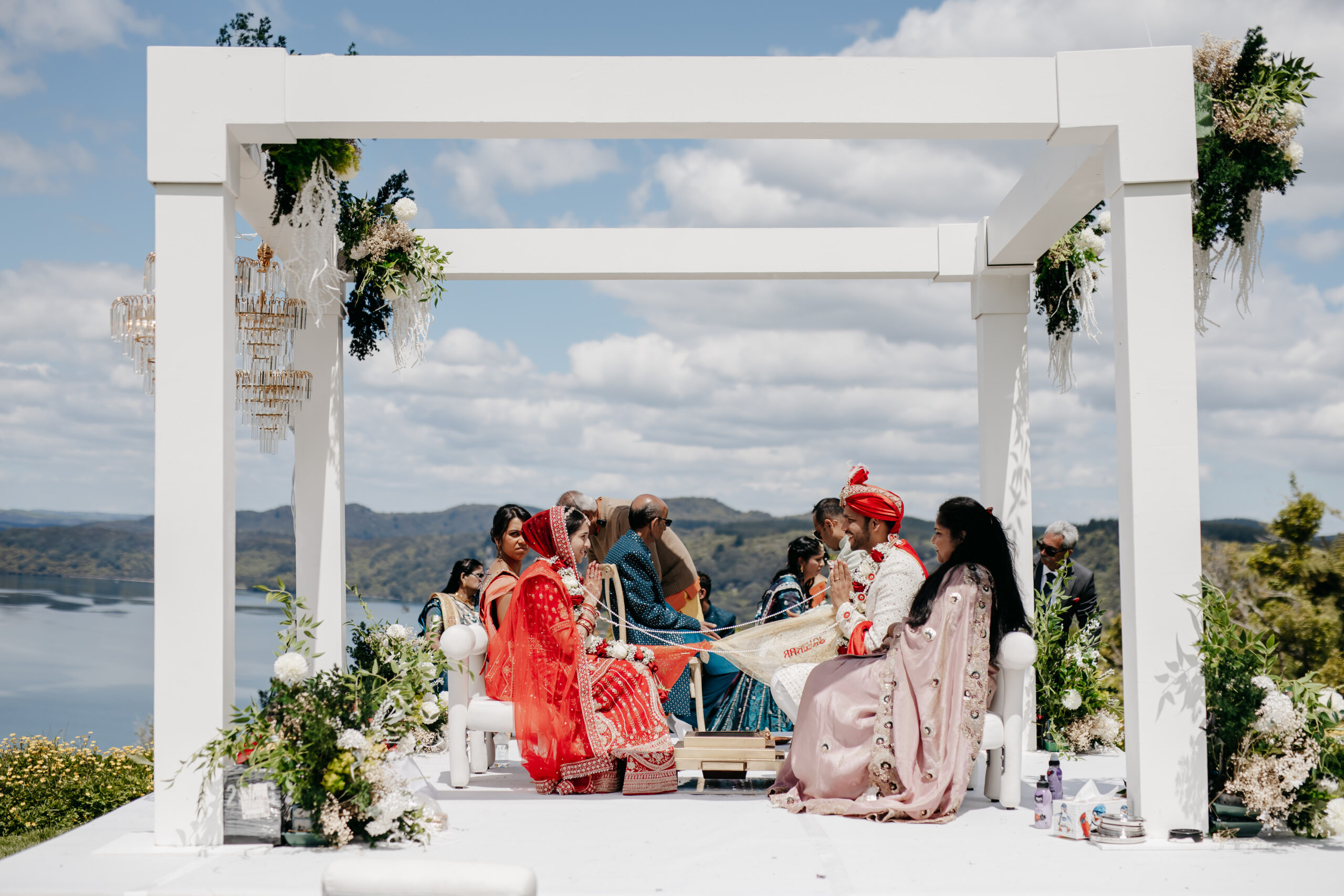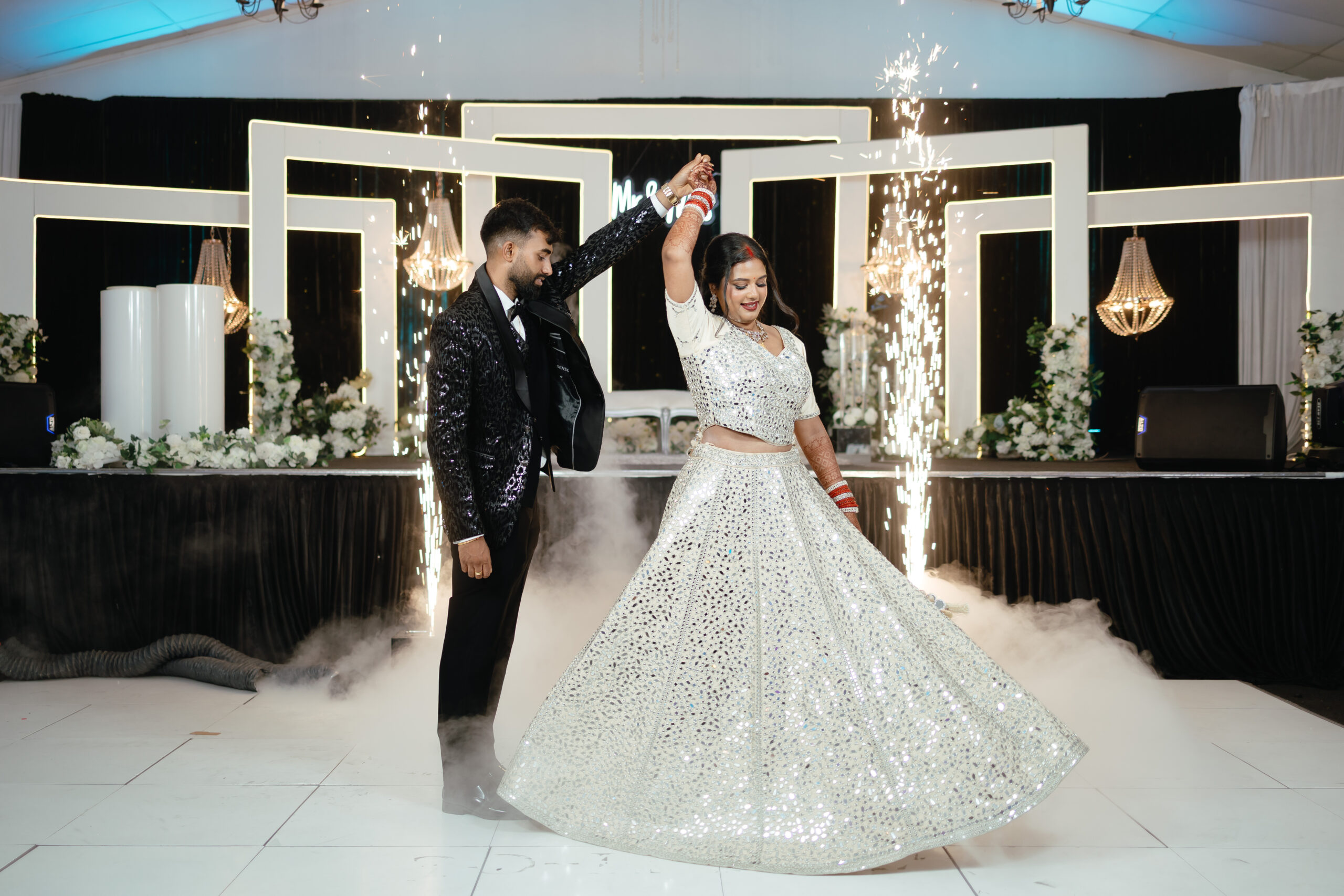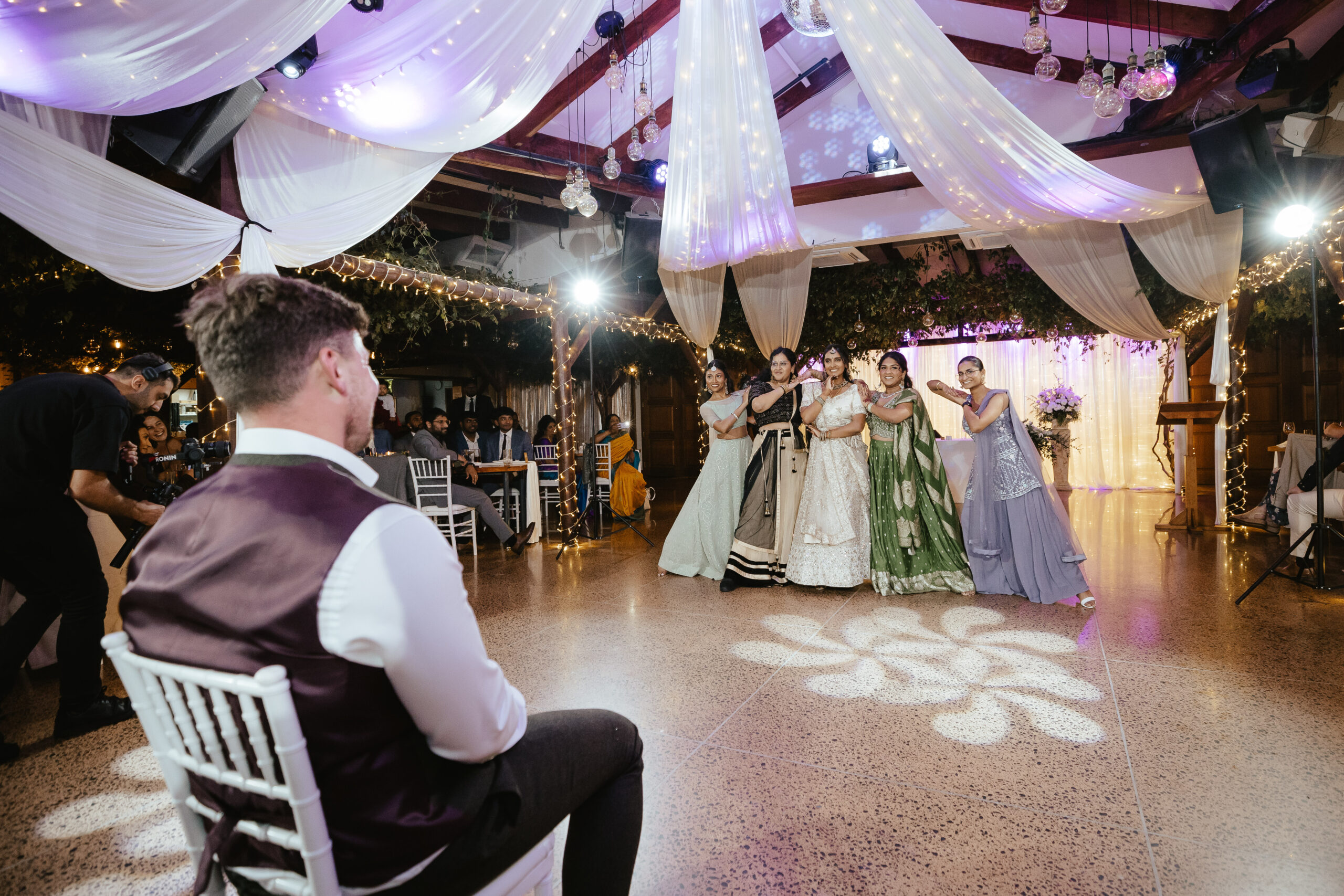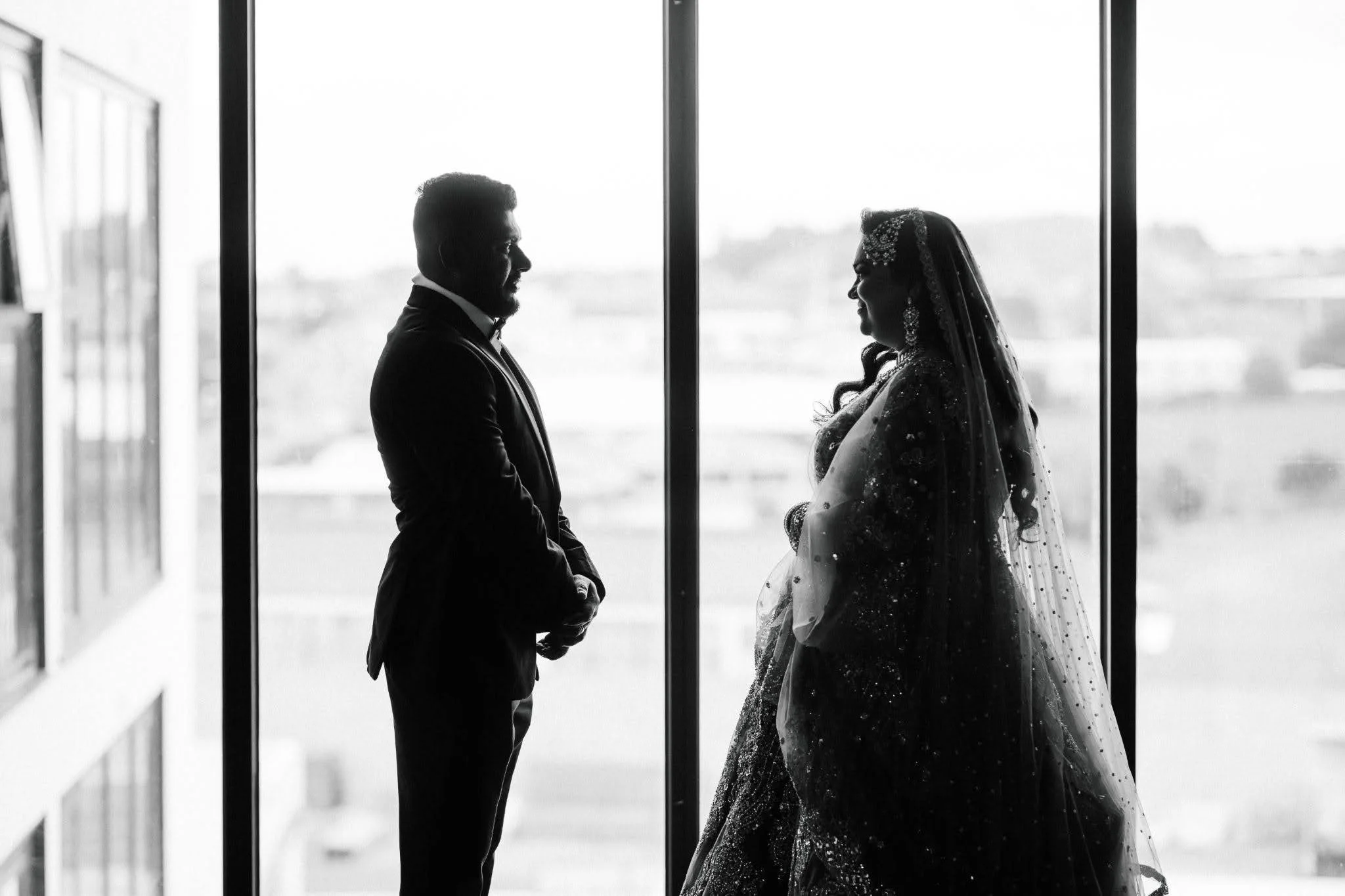
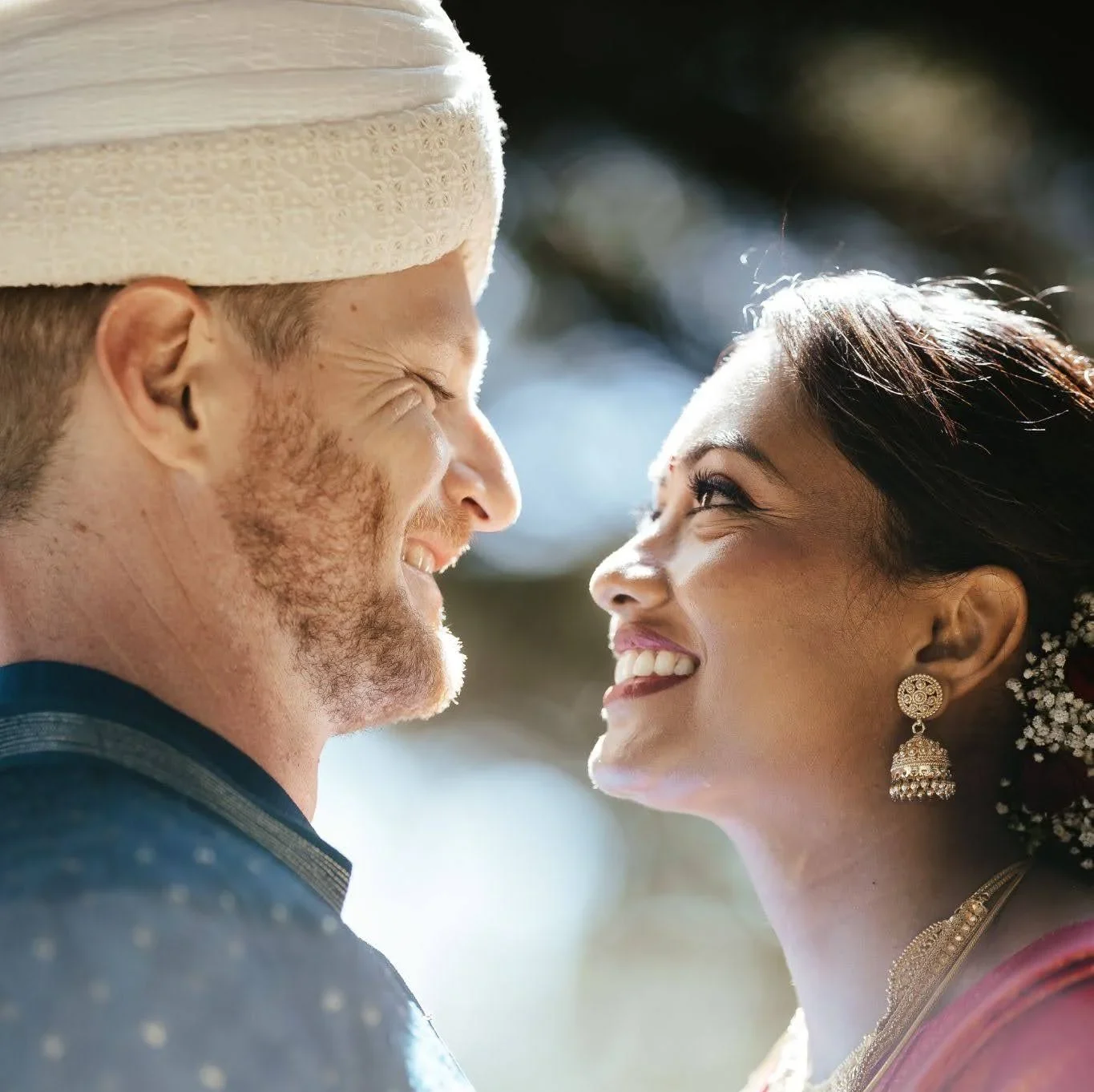
Golden hour wedding photos use the soft, warm light that appears when the sun is low near the horizon. The effect can create flattering skin tones, gentle shadows and rich colour. Sunset, venue orientation, ceremony length, cultural traditions, travel and weather all affect whether the portrait session feels calm or rushed.
Key Takeaways
- Golden hour is a changing window, not an exact 60-minute period.
- Plan backwards from sunset and check when the venue loses direct light.
- Allow 20 to 30 minutes for portraits, plus time for walking and outfit adjustments.
- Protect ceremonies, blessings and family moments that cannot be moved.
- Prepare a nearby backup location for rain, wind or delays.
Why Does Timing Matter for Golden Hour Wedding Photos?
The sun sits lower during golden hour, creating warmer and more directional light than strong overhead sun. This can reduce harsh facial shadows, limit squinting and add depth to the background.
The effect changes quickly. A location may move from bright sun to warm backlight and then soft twilight within a short period. Starting too early may produce stronger light than expected, while arriving late may leave only a few usable minutes.
Timing matters because:
- The visual effect changes by the minute. Warm colour, flare, silhouettes and long shadows depend on the sun’s position.
- The wedding schedule continues. Dinner, speeches, rituals and performances may overlap with the session.
- The venue may lose sunlight early. Trees, hills and buildings can block the sun before the published sunset.
A photographer can create meaningful images throughout the day. Golden hour is valuable because it offers a distinctive mix of softness, warmth and atmosphere.
What Determines the Best Time for Golden Hour Wedding Photography?
The published sunset is only a starting point. The usable window depends on the date, landscape, weather and schedule.
| Planning factor | How it affects the session | Practical response |
| Date and season | Summer sunsets are later; winter light fades earlier | Confirm sunset for the exact date |
| Venue orientation | Open west-facing spaces may hold light longer | Check where the sun sets |
| Hills, trees and buildings | Surroundings can block direct light early | Find out when the venue enters shade |
| Cloud and weather | Conditions affect the colour and visibility of warm light | Prepare a sheltered option |
| Travel | Driving or walking can consume the best light | Use a nearby location |
| Wedding programme | Rituals, dinner or speeches may overlap | Protect fixed events first |
Confirm the Sunset and Venue Conditions
Check sunset for the exact venue and date, then review it when the final run sheet is prepared. A garden surrounded by trees may lose direct light much earlier than an open beach, vineyard or elevated property.
Your photographer can review the venue orientation or visit at a similar time of day. Lionbeats’ guide to Auckland photo locations also helps couples compare scenery, access and lighting.
Use the Light After Sunset
Useful portrait light may continue after the sun crosses the horizon. Twilight can provide soft colour, open shade and cooler tones suited to silhouettes or wide landscape portraits.
How Should Couples Add Golden Hour to the Timeline?
Build the schedule backwards from sunset instead of choosing a fixed portrait time months in advance.
- Confirm the expected sunset.
- Choose the closest suitable portrait area.
- Reserve 20 to 30 minutes for the couple.
- Add walking, transport and outfit-adjustment time.
- Protect fixed ceremonies and reception events.
- Share the timing with the planner, venue, caterer, MC and media team.
A wedding photography checklist can connect the portrait window with family groups, ceremony details, speeches and reception coverage.
Choose the Right Place in the Programme
Useful options include:
- after the ceremony and family photographs
- during a reception room reset
- between dinner courses
- before speeches or performances
- after an outfit change
Avoid leaving the reception without informing the MC, caterer and coordinator. Even a short session can interrupt meal service or formalities.
Add a Buffer
Hair and makeup, traffic, greetings and group photographs often take longer than expected. Add a 10 to 15-minute buffer before the session to protect the start time.
How Can Cultural Events Affect the Schedule?
Indian, Sri Lankan, Muslim and fusion weddings may include prayers, entrances, blessings, outfit changes, family greetings and performances. These moments can be fixed by tradition, venue access or family expectations.
The portrait plan should support the celebration rather than interrupt it. When arranging Indian wedding photography, share:
- the order and expected length of rituals
- fixed prayer or ceremony times
- jewellery, veil or outfit changes
- required family portraits
- travel between venues
- entrances, dances and speeches
- moments when photography must be discreet
Multi-day celebrations offer more flexibility. A relaxed sunset session can take place during a pre-wedding event rather than adding pressure to the main ceremony day.
How Should Couples Prepare for the Session?
Preparation protects the limited light and keeps the experience relaxed.
Choose One Accessible Location
One well-planned location is usually better than several distant stops. Look for open sky, safe walking access, privacy, a dry route for long outfits and a nearby sheltered alternative.
The setting does not need to be dramatic. Clean backgrounds, open space and suitable light often matter more than popularity.
Prepare Clothing and Details
Veils, dupattas, trains, jewellery and embroidered outfits may need careful adjustment. Ask one trusted person to stay nearby and help without bringing the full wedding party into the session.
A separate bridal portrait session provides more time for attire, jewellery and individual portraits when the wedding schedule is already full.
A golden hour wedding theme may use candles, amber lighting, warm florals or metallic details, but the portraits do not need an entirely gold palette. White, black, jewel tones and vibrant cultural clothing can all suit warm evening light.
Keep Posing Simple
Walking, turning towards each other, adjusting a veil or sharing a quiet conversation creates natural variety without wasting time.
Couples searching for golden hour photos wedding ideas should use online images as inspiration rather than a fixed shot list. The best movements depend on the couple, clothing, location and available light.
What if the Weather or Schedule Changes?
Golden light cannot be guaranteed. Cloud, rain, wind or a delayed ceremony may change the plan, but they do not prevent meaningful portraits.
Prepare:
- a covered veranda or sheltered garden
- a bright indoor space near windows
- clear umbrellas and practical footwear
- a shorter route near the reception
- a second portrait window
- a separate pre-wedding or post-wedding session when needed
A practical bad-weather photography plan helps couples prepare without treating rain as a failed outcome.
Cloud can create soft, even light, although it may reduce the visible warmth of sunset. Light rain can add reflections, while twilight can support cooler, more dramatic photographs.
When the schedule runs late, the team may prioritise essential couple portraits, use a closer location or continue with twilight and controlled lighting. Flexibility is more valuable than forcing the original plan while the couple feels rushed.
How Do Photography and Videography Teams Coordinate?
A short portrait window requires clear coordination. Photographers and videographers need to share the location, avoid blocking each other and give consistent direction.
Lionbeats offers coordinated Indian wedding videography alongside photography. As a family-run team with more than 15 years of experience, Lionbeats plans around cultural traditions, multi-day schedules and the natural flow of each celebration.
An integrated team can prepare one route, capture still images and film efficiently, avoid conflicting instructions and return the couple to the reception on time.
Conclusion
Golden hour wedding photos depend on timing, preparation and flexibility rather than luck. Planning around sunset, venue conditions, cultural events, travel and weather helps the portrait session fit naturally into the celebration.
Contact Lionbeats by calling +64 21 213 5288 or email contact@lionbeats.co.nz to discuss your date, events and coverage needs. We only take a limited number of bookings yearly to ensure we provide quality services.
Frequently Asked Questions
What Time Should Golden Hour Wedding Photos Begin?
The session often begins 30 to 45 minutes before sunset, but the best start time depends on the venue, season, weather and when direct sunlight leaves the location.
How Long Should We Allow for the Session?
Allow about 20 to 30 minutes for a focused couple session, plus extra time for walking, transport and clothing adjustments.
Can We Still Take Portraits if the Ceremony Runs Late?
Yes. The team can shorten the route, use a closer location, prioritise essential portraits or continue into twilight with a different lighting approach.
Do Cloudy Skies Ruin the Effect?
No. Cloud may reduce the golden colour, but it can create soft, even light that works well for portraits.
Is Sunrise or Sunset Better for Wedding Portraits?
Sunset is usually easier to include in a full wedding day. Sunrise can suit elopements, engagement sessions or couples who want quieter locations.