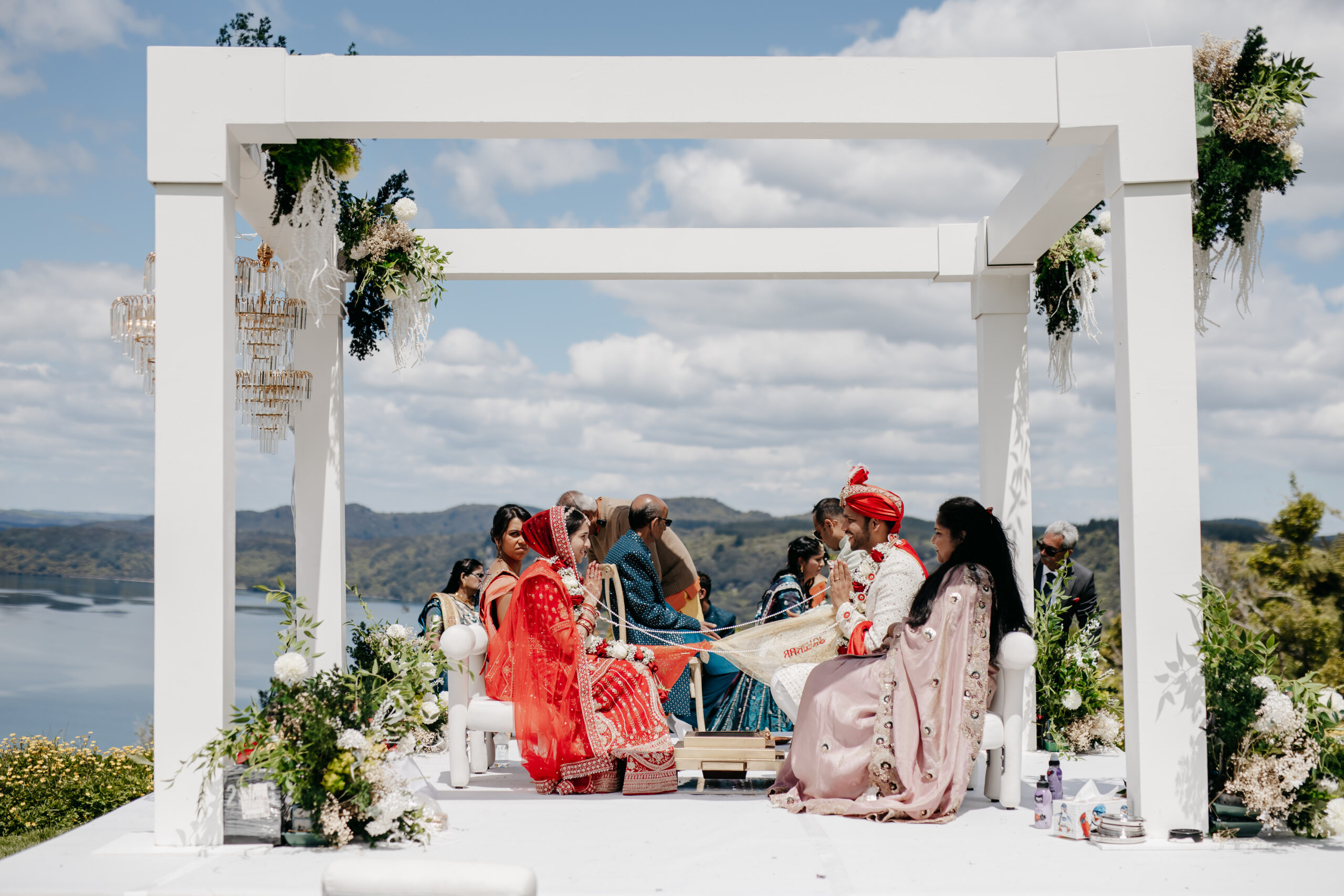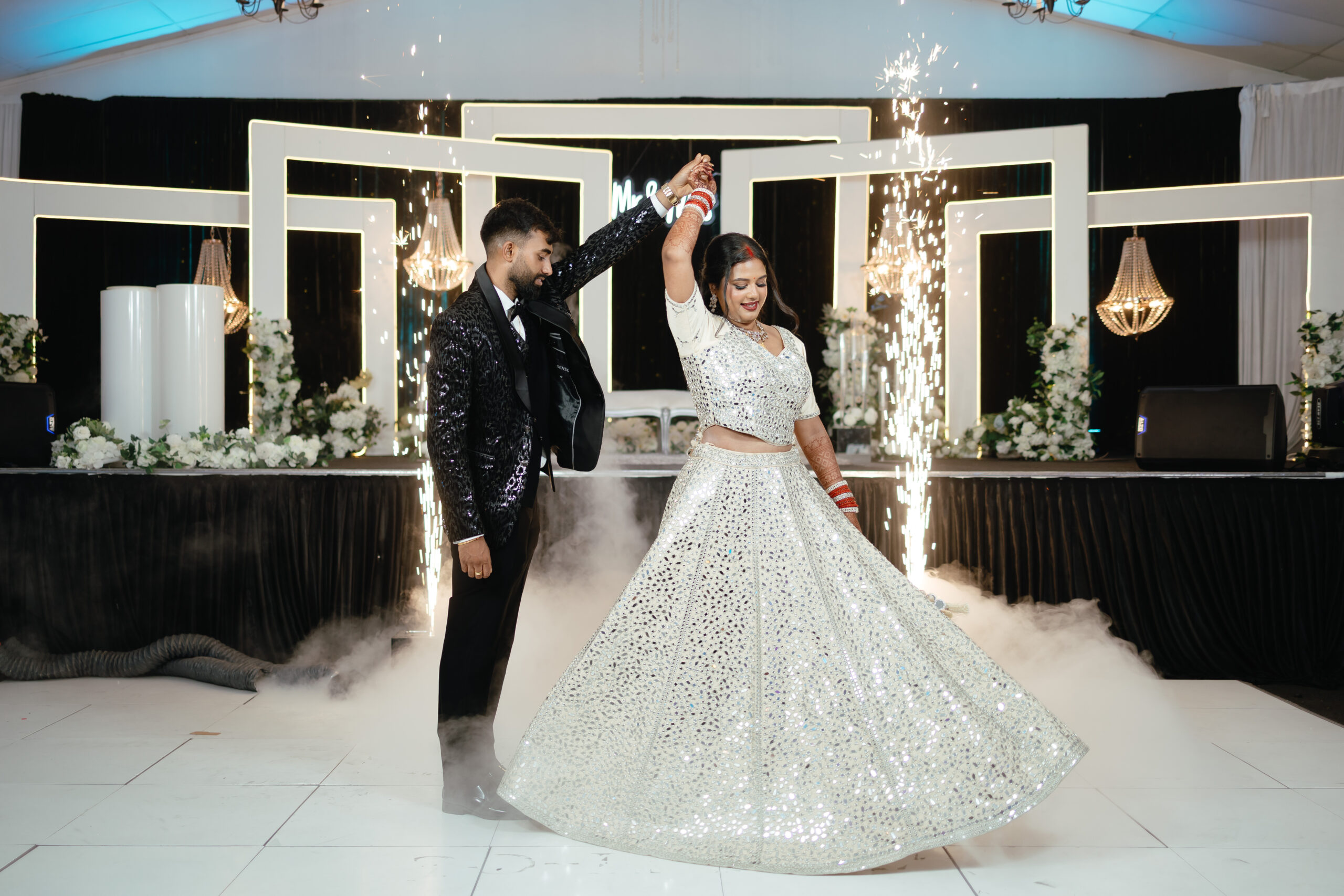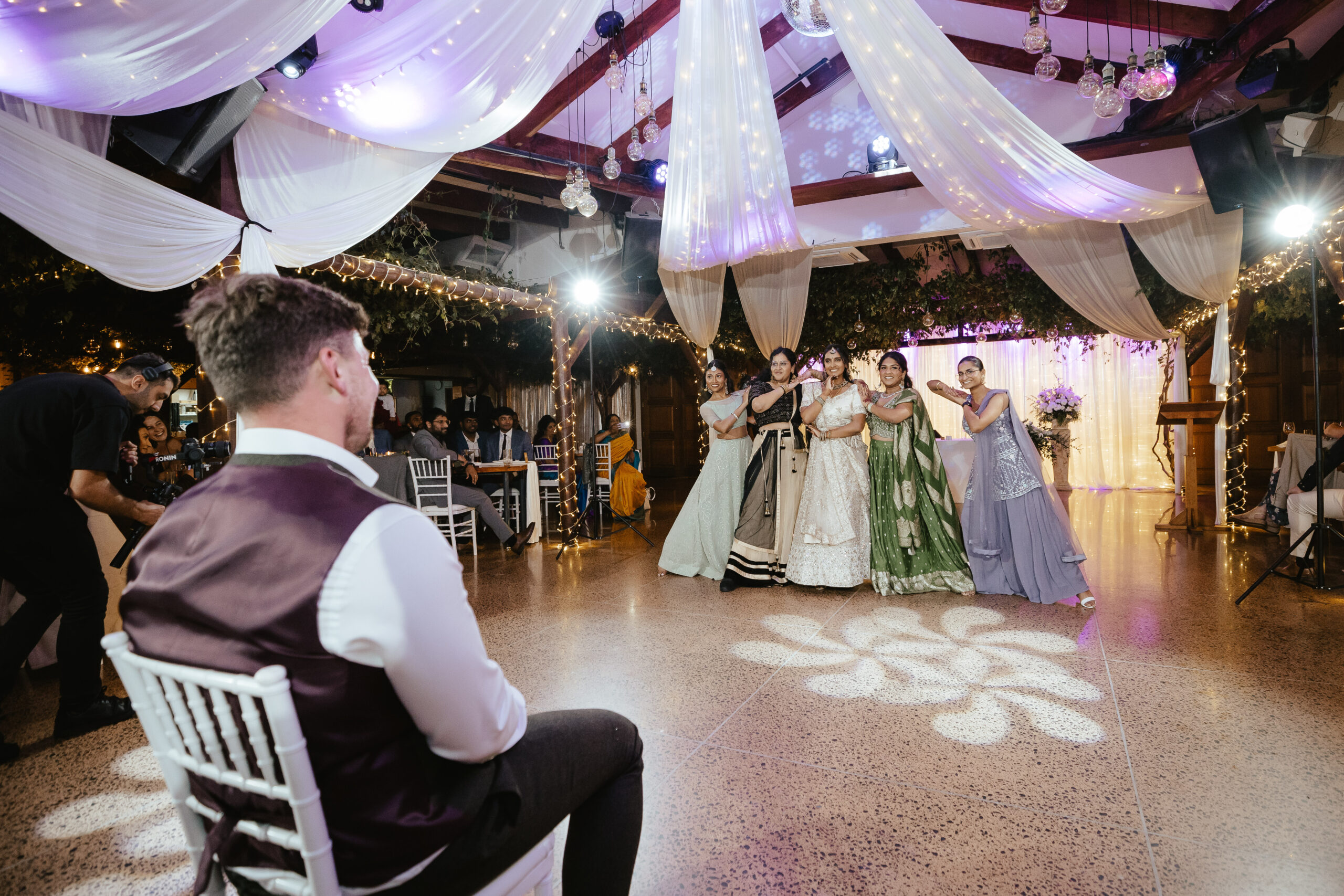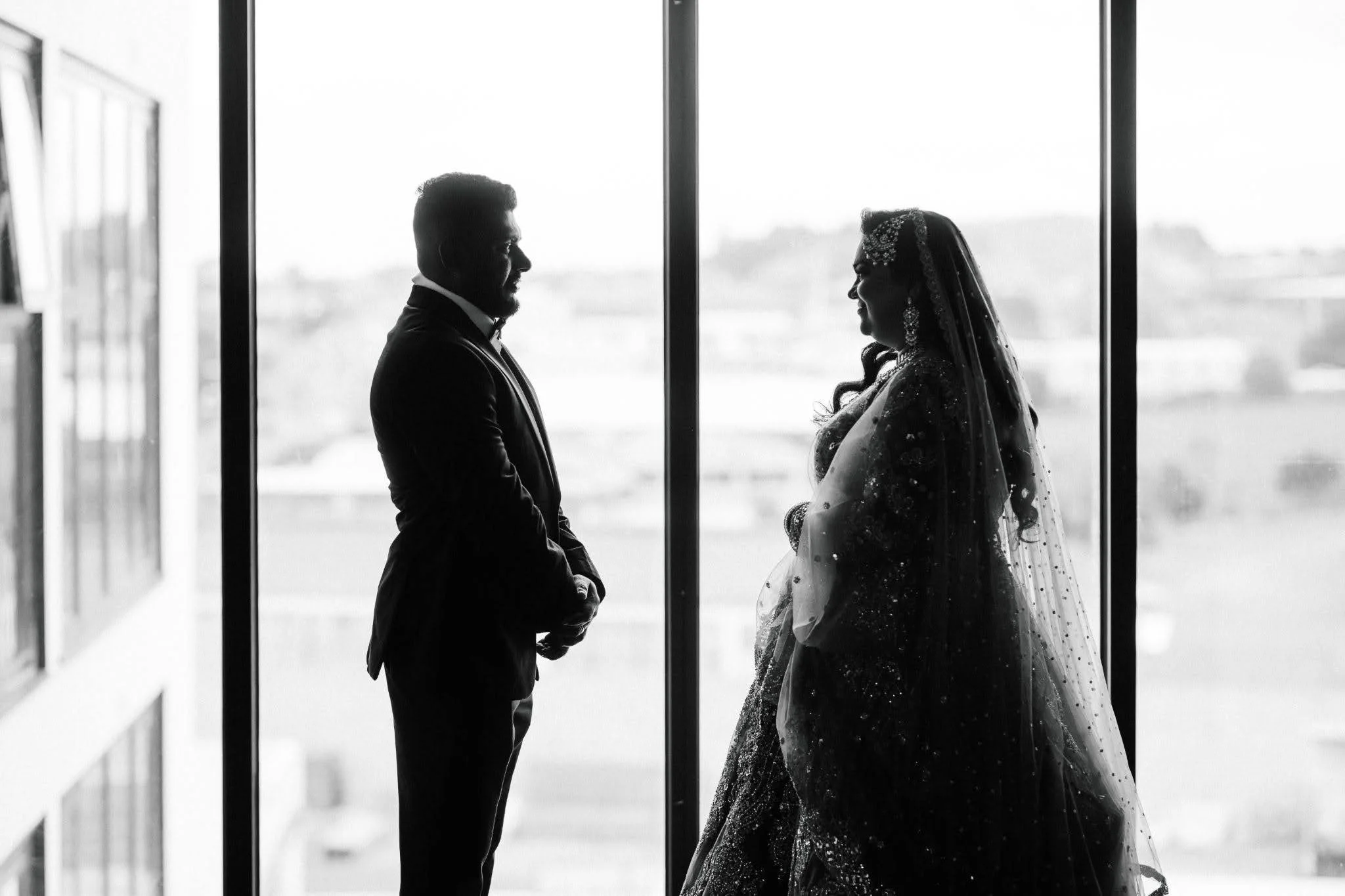
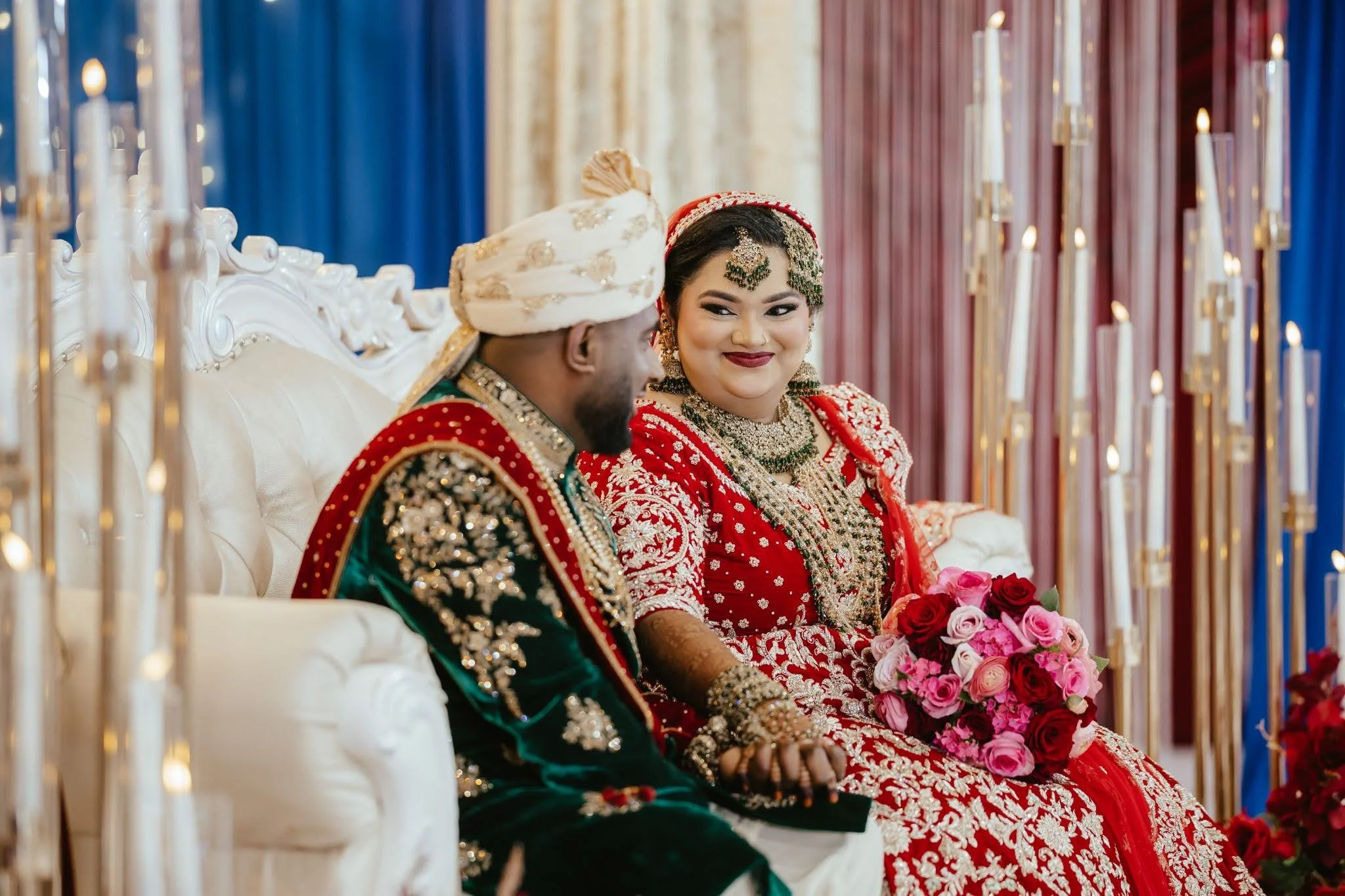
Indian wedding outfits are chosen for meaning, family identity, ceremony style and visual impact. Colours, fabrics, jewellery and accessories often symbolise blessings, prosperity, joy, purity and new beginnings.
Couples also need thoughtful Indian wedding photography and videography packages because these details can be missed during fast-moving rituals. Careful coverage preserves embroidery, henna, turbans, dupattas, heirlooms and family reactions.
Key Takeaways
- Red often represents love, prosperity and an auspicious beginning.
- Gold is linked with blessings, abundance and sacred beauty.
- Yellow is often chosen for Haldi because it connects with turmeric, joy and purification.
- Green can suggest growth, harmony and new beginnings.
- Outfit planning should include jewellery, footwear, draping, portraits and changeover time.
What Do Indian Wedding Outfits Symbolise?
Indian wedding outfits symbolise identity, blessing, family heritage and the couple’s transition into married life. Each garment can carry meaning, from the bride’s lehenga or sari to the groom’s sherwani, safa, stole, jewellery and embroidered footwear.
- Red lehenga may reflect prosperity and marital joy
- Kanjeevaram silk sari can honour South Indian tradition
- Groom’s turban can represent dignity and celebration
- Jewellery often carries family memory, especially when gifted by parents, grandparents or elders.
Why Do Colours Matter in Traditional Indian Wedding Outfits?
Colours matter because they express the mood and meaning of each ceremony. Traditional Indian wedding outfits often use red, gold, yellow, green, pink, cream and pastel shades to show joy, purity, prosperity, romance, family blessing or fresh beginnings.
Colour meanings vary by region, religion and family custom. Couples should ask elders before finalising colours for the wedding day, Haldi, Mehndi and reception.
| Colour | Common Meaning | Best Used For |
| Red | Love, prosperity and auspicious beginnings | Wedding ceremony |
| Gold | Blessings, wealth and sacred beauty | Ceremony or reception |
| Yellow | Joy, turmeric and purification | Haldi |
| Green | Growth, harmony and renewal | Mehndi or bridal accents |
| Pink | Romance, softness and celebration | Sangeet or reception |
| Cream | Calm, elegance and balance | Groom wear or formal guests |
| Pastels | Modern style and soft daylight appeal | Day weddings and portraits |
What most people get wrong is choosing colour only because it is trending online. A shade that looks beautiful in a product photo may appear different in a mandap, garden venue, hotel ballroom or low-light reception.
Which Indian Wedding Outfit Suits Your Role?
The best Indian wedding outfit depends on your role in the celebration, the wedding event, and the level of formality. Whether you’re the bride, groom, or part of the wedding entourage, choosing an outfit that’s both stylish and comfortable will help you enjoy every moment of the festivities.
For the Bride
Brides typically wear the most elaborate outfit of the celebration, with rich fabrics, intricate embroidery, and coordinated jewellery.
- Lehenga Choli – The most popular bridal outfit for the wedding ceremony and reception. Its embroidered skirt, blouse, and dupatta create a timeless bridal look.
- Bridal Sari – A traditional choice, especially for cultural and religious ceremonies. Silk saris are particularly popular for their elegance and heritage.
- Jacket-Style Lehenga – A modern alternative that’s ideal for winter weddings or brides wanting extra coverage while maintaining a luxurious look.
- Cape-Style Lehenga – Perfect for contemporary weddings and receptions, offering a fashionable twist on the classic lehenga.
- Indo-Western Gown – Best suited to receptions or cocktail celebrations where a modern bridal style is preferred.
For the Groom
The groom’s outfit should complement the bride while reflecting the style and formality of the wedding.
- Sherwani – The traditional choice for the wedding ceremony. Rich fabrics and detailed embroidery make it the standout option for grooms.
- Achkan – A lighter, more understated alternative that’s well suited to engagement parties, receptions, and formal celebrations.
- Bandhgala Suit – A tailored outfit that’s ideal for receptions, evening events, and cocktail celebrations.
- Jodhpuri Suit – A sophisticated choice for receptions and formal family functions, combining traditional elegance with modern tailoring.
- Indo-Western Outfit – Perfect for destination weddings or contemporary celebrations where a modern interpretation of Indian fashion is preferred.
For the Wedding Entourage
Bridesmaids, groomsmen, siblings, parents, and close family members should choose outfits that complement the couple while remaining comfortable throughout the day’s celebrations.
Women’s Outfits
- Sari – A versatile option that’s suitable for wedding ceremonies, receptions, and religious events.
- Anarkali Suit – Ideal for engagement parties, receptions, and formal family gatherings, offering both elegance and comfort.
- Sharara Suit – A favourite for Mehndi and Sangeet celebrations thanks to its flowing silhouette and ease of movement.
- Gharara Suit – Best suited to traditional ceremonies and festive family functions, creating a timeless, elegant appearance.
- Salwar Kameez – A comfortable choice for Haldi ceremonies, smaller gatherings, temple visits, and pre-wedding events.
- Palazzo Suit – Perfect for daytime functions, outdoor celebrations, and warm-weather events.
- Pre-Draped Sari – An excellent option for bridesmaids and close family members who want the elegance of a sari without the complexity of draping.
- Floor-Length Anarkali – A graceful choice for receptions and formal evening celebrations.
- Pant-Style Suit – Well suited to engagement parties, destination weddings, and contemporary celebrations.
- Dhoti Suit – A stylish option for Haldi and Mehndi events where comfort and movement are important.
- Fusion Drape Dress – Ideal for cocktail parties, welcome dinners, and modern wedding celebrations.
Men’s Outfits
- Kurta Pyjama – A classic choice for Haldi, Mehndi, religious ceremonies, and smaller family gatherings.
- Kurta with Nehru Jacket – Perfect for Sangeet celebrations, engagement parties, and semi-formal wedding events.
- Pathani Suit – A comfortable option for Mehndi celebrations and casual daytime functions.
- Dhoti Kurta – Best suited to traditional and religious ceremonies, particularly temple weddings.
- Kurta with Churidar – A versatile outfit for wedding ceremonies, receptions, and family celebrations.
- Bandhgala Suit – A smart option for receptions and formal evening events.
- Jodhpuri Suit – Ideal for close family members attending formal ceremonies or receptions.
- Achkan – Suitable for family members who want a refined traditional look without wearing a sherwani.
Traditional vs Fusion Mehendi
Every Mehendi celebration is unique, but most fall into one of two styles: traditional or fusion. Understanding the difference can help you plan your outfits, décor, entertainment, and photography.
Traditional Mehendi
A traditional Mehendi celebrates Indian customs and family traditions. It usually focuses on cultural rituals, vibrant colours, and meaningful moments before the wedding ceremony.
What to expect:
- Traditional henna application for the bride and guests
- Bright colours such as green, yellow, orange, and pink
- Floral décor, marigolds, and cultural decorations
- Folk music, dhol players, and traditional dance performances
- Indian sweets and regional cuisine
- Family blessings and pre-wedding rituals
Traditional Mehendi photography highlights the intricate henna designs, emotional family interactions, colourful décor, and ceremonial moments that reflect the celebration’s cultural significance.
Fusion Mehendi
A fusion Mehendi blends Indian traditions with modern wedding trends or elements from another culture. While the henna ceremony remains the centrepiece, couples often personalise the celebration to reflect their personalities and backgrounds.
What to expect:
- Modern colour palettes alongside traditional décor
- Contemporary styling mixed with Indian attire
- Live bands, DJs, or multicultural entertainment
- Personalised décor and themed styling
- Cocktail-style catering alongside traditional Indian food
- A relaxed schedule with a mix of cultural and modern traditions
Fusion Mehendi photography combines vibrant cultural moments with contemporary portraits, stylish décor, candid interactions, and creative storytelling. The focus is on capturing both the traditional elements and the unique details that make the celebration personal to each couple.
Which Style Is Right for You?
Neither style is better than the other. A traditional Mehendi honours long-standing customs and family heritage, while a fusion Mehendi allows couples to celebrate their cultures in a more personalised way. Whether your celebration follows traditional Indian customs or combines multiple cultures, choosing a photographer with experience in both styles helps ensure every meaningful detail is captured naturally and authentically.
How Do Outfit Details Affect Indian Wedding Photos and Video?
Outfit details affect how the wedding is remembered because they appear in portraits, ceremony close-ups, video movement, and family storytelling. Heavy garments, long dupattas, jewellery, turbans, and outfit changes all need time.
Follow these steps:
- List every event, including pre-wedding portraits, Mehndi, Haldi, ceremony, and reception.
- Choose a colour palette for each event.
- Ask family about colours with religious or regional meaning.
- Test heavy outfits while sitting, walking, and dancing.
- Share outfit colours with the photo and video team.
- Add outfit details to your wedding photography checklist.
Best practice: photograph key outfit details before the ceremony begins, including jewellery, shoes, kalire, bangles, cufflinks, safa, embroidery and heirlooms.
For couples who want movement, music and speeches preserved as well as still images, Indian wedding videography is useful for the baraat, vows, Sangeet performances, reception speeches and emotional farewells.
Preserve the Meaning Behind Every Outfit
Indian wedding outfits carry colour, blessing, family history and personal meaning. Every sari, lehenga, sherwani, safa, bangle and embroidered detail helps tell the couple’s story.
Lionbeats captures these details through culturally aware Indian wedding photography and videography across New Zealand. Call +64 21 213 5288 or email contact@lionbeats.co.nz to discuss your wedding coverage before finalising your timeline.
Frequently Asked Questions
Is red the only correct colour for Indian bridal wear?
Red is a common bridal colour, but it is not the only correct option. Brides may choose maroon, gold, pink, ivory, green or regional colours based on family tradition, religion and personal taste.
Does a guest need to wear Indian clothing to an Indian wedding?
A guest does not always need Indian clothing, but it is often welcomed when worn respectfully. Ask about the dress code, avoid bridal red unless approved, choose comfortable shoes and add Indian accessories if unsure.
Can guests wear black or white to an Indian wedding?
Guests can wear black or white only if the couple or family says it is acceptable. Safer options include jewel tones, pastels, florals, soft metallics and festive shades that do not look bridal.
Is it better to rent or buy Indian wedding outfits?
Renting can suit guests or one-time events, while buying may suit brides, grooms and close family who want custom fit and keepsake value. Compare budget, tailoring time, ceremony role and future use.
Can a photographer help plan outfit timing for an Indian wedding?
Yes, a photographer can help plan outfit timing around portraits, ceremony flow and lighting. Share outfit changes, jewellery details and family photo list before the wedding so key details are captured early.