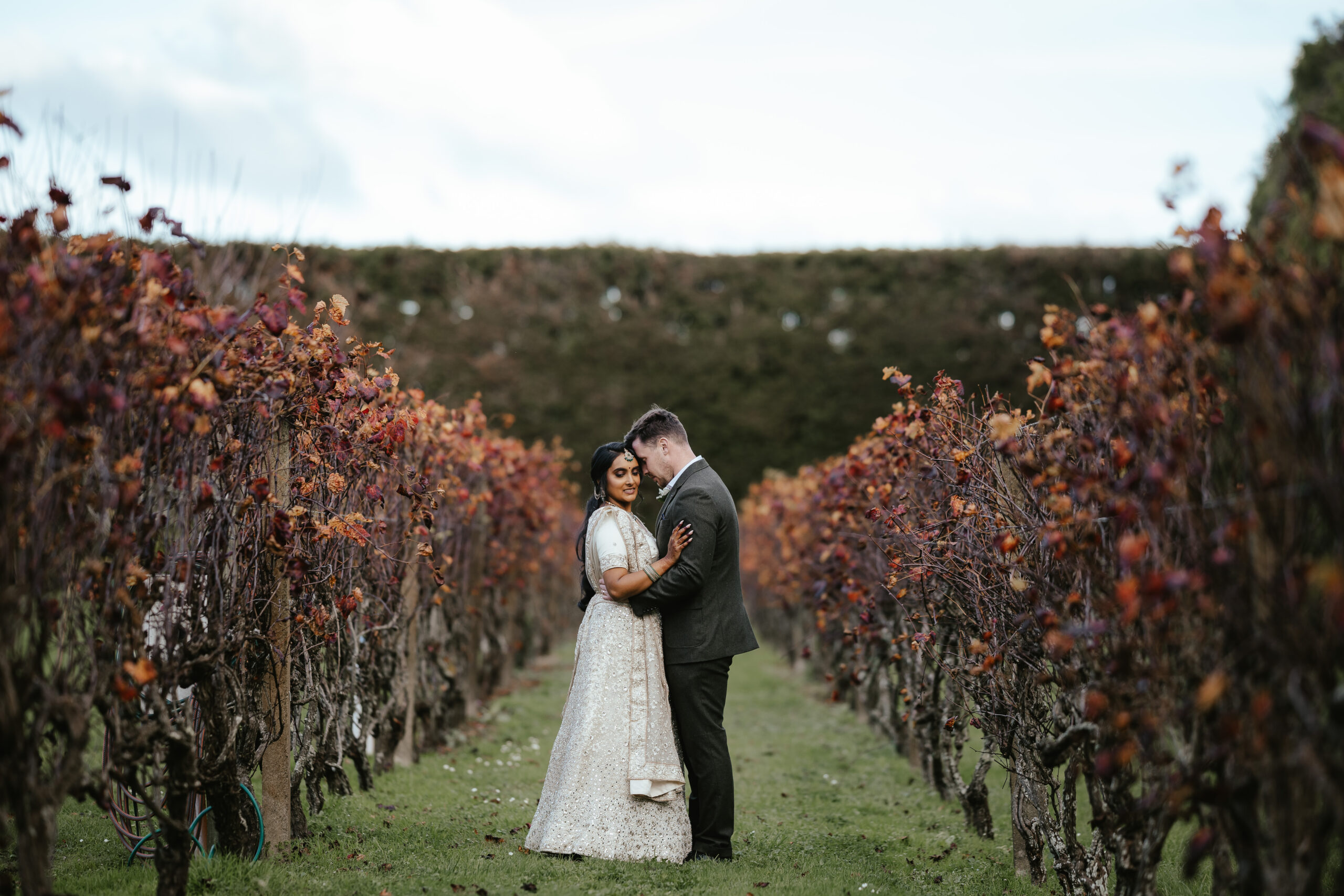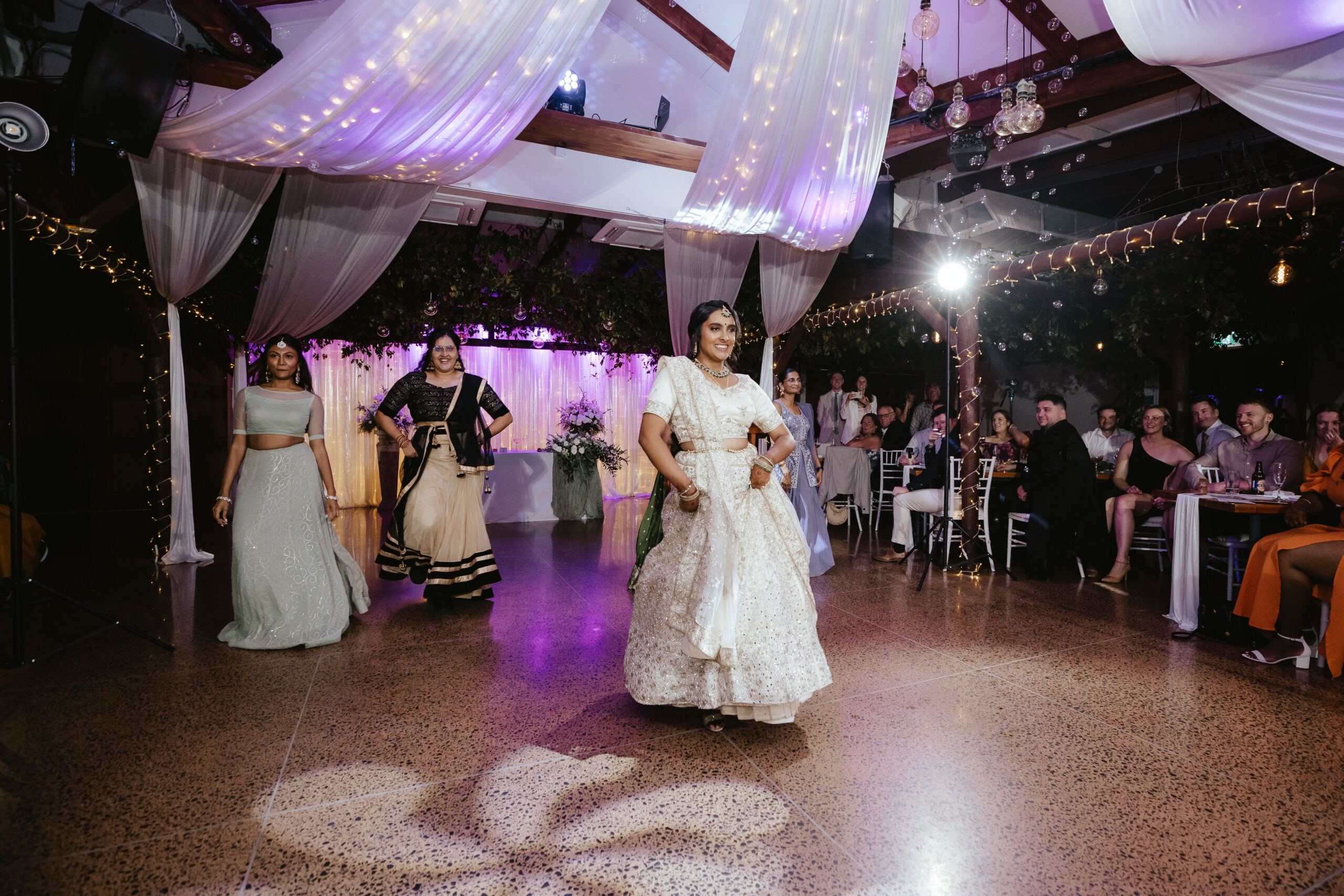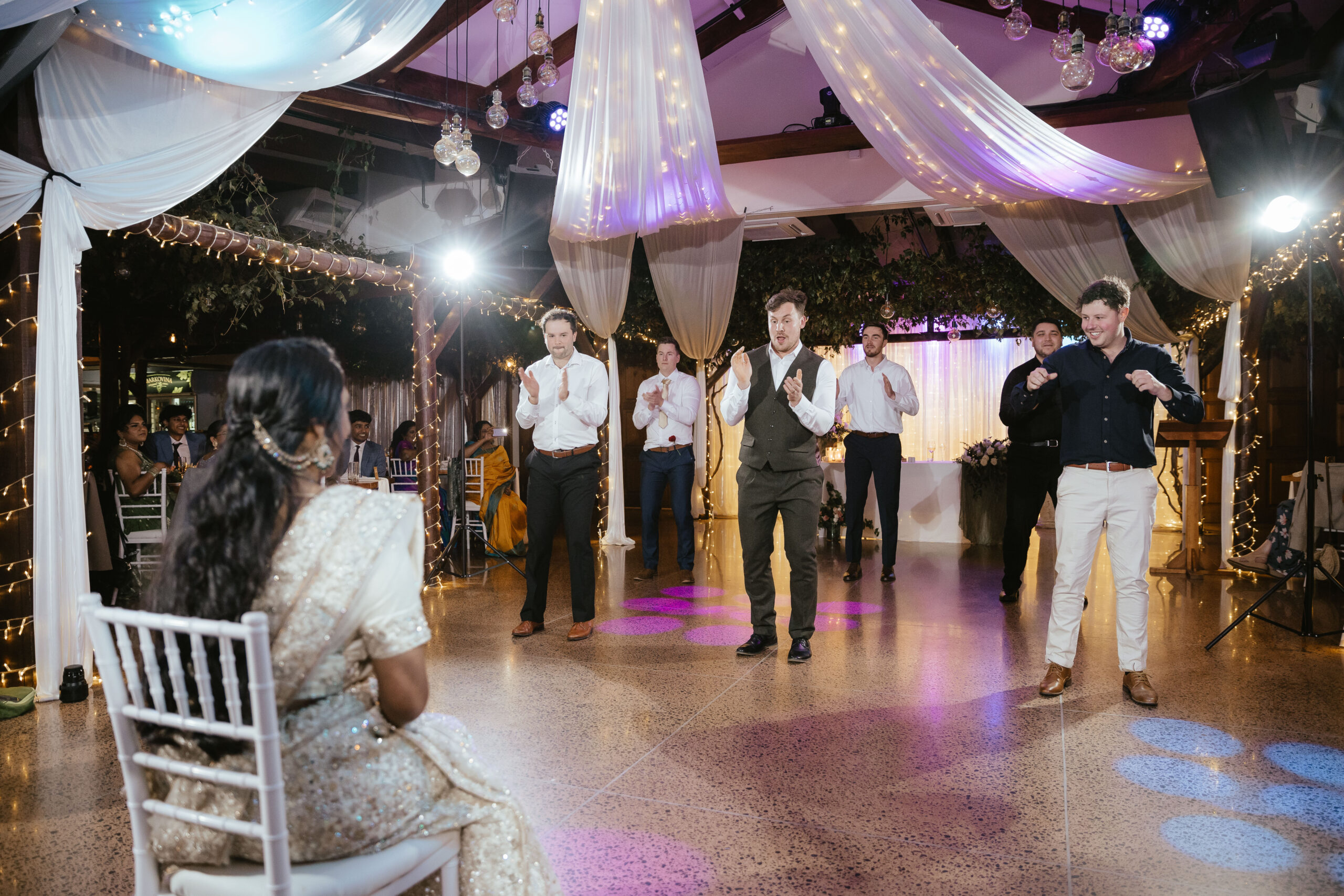
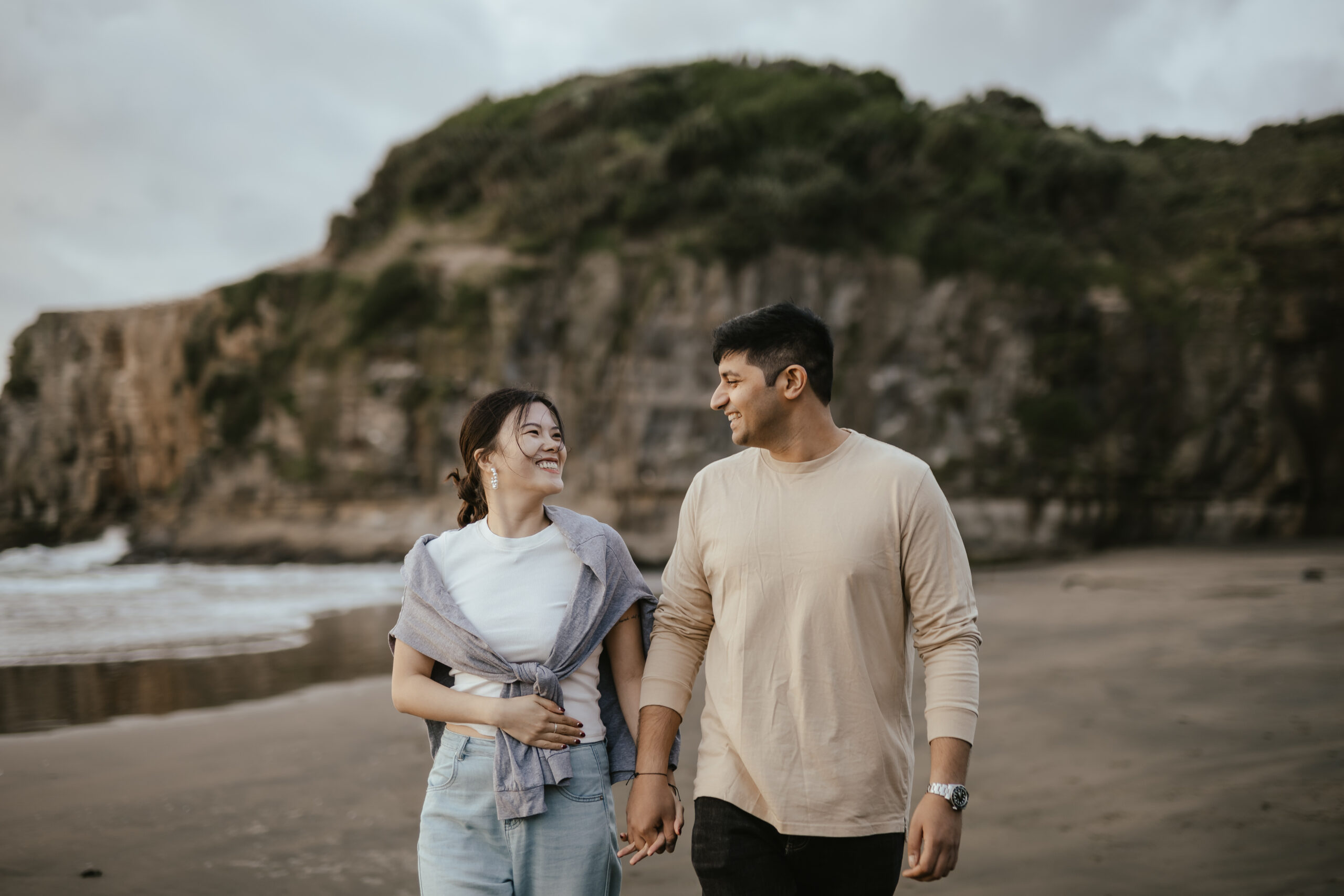
A Roka ceremony is an important pre-wedding tradition for many Punjabi and North Indian families, marking the formal acceptance of a couple’s intended marriage. While customs vary between families, the occasion usually brings parents, grandparents, siblings, and close relatives together for blessings, gifts, sweets, photographs, and the first shared celebration before the larger wedding events begin.
Key Takeaways
- Roka commonly marks the families’ formal acceptance of the couple’s relationship and intended marriage.
- The traditions followed can vary by family, community, religious background, and region.
- Blessings, gifts, sweets, tilak, family introductions, and photographs are common elements.
- Roka and engagement are not always the same event, although some families combine them.
- Confirming the ceremony sequence in advance helps families and photographers prepare for meaningful rituals and portraits.
Roka Ceremony Meaning and Cultural Significance
The Roka ceremony is closely connected to family acceptance. The word Roka is commonly associated with the Hindi verb rokna, meaning “to stop”. Traditionally, this reflected the idea that once both families approved the match, the search for another prospective partner stopped.
Today, Roka often serves a broader purpose. It gives the couple’s relationship formal family recognition while creating a natural starting point for wedding planning.
What Does Roka Ceremony Mean for the Couple and Families?
For the couple and their families, the occasion represents more than a single ritual. It can signify:
- formal recognition of the relationship
- acceptance by both families
- blessings from parents and elders
- the beginning of wedding preparations
- the joining of two extended families
- an opportunity to celebrate before larger events begin
Roka Ceremony in Hindi and Its Cultural Context
The phrase Roka ceremony in Hindi is associated with “रोका”, while rokna conveys the idea of stopping or reserving. Within the context of marriage, the term traditionally signals that the match has been accepted.
Roka is particularly associated with Punjabi and other North Indian families. However, it should not be treated as a universal requirement for every Indian wedding.
Indian celebrations can differ across Punjabi, Gujarati, Bengali, Tamil, Telugu, Sikh, Hindu, Muslim, and fusion families. Understanding these differences is also important in cultural wedding photography, where the meaning of each ritual helps determine what needs to be documented.
Is Roka the Same as an Engagement?
Not necessarily. Roka can take place before a formal engagement, and rings are not always exchanged.
Some families hold Roka and engagement as separate events. Others combine Roka, shagun, engagement, or related customs into one celebration.
| Event | Main Purpose | Common Elements | Ring Exchange |
| Roka | Formal family acceptance of the match | Blessings, sweets, gifts, tilak, family gathering | Not required |
| Engagement | Celebrates the couple’s formal commitment | Rings, speeches, portraits, family celebration | Common |
| Combined Celebration | Marks family acceptance and engagement together | Blessings, gifts, rings, food, photographs | Often included |
Family tradition should determine the format rather than a fixed checklist.
Roka Ceremony Steps: What Usually Happens?
The sequence varies between households, but most celebrations move naturally from family welcomes to blessings, gift exchanges, photographs, and a shared meal.
If you are wondering what to do in Roka ceremony celebrations, the following sequence provides a useful starting point.
- Welcome both families.
Close relatives arrive, greet one another, and settle before the formal customs begin. - Begin with prayer or blessings.
Some families include a religious prayer, while others begin directly with blessings from parents and elders. - Complete the family-specific rituals.
Tilak, shagun, or another traditional custom may take place depending on the family. - Exchange gifts and sweets.
Both sides may present mithai, fruit, clothing, jewellery, money, or keepsakes. - Receive blessings from elders.
Parents and grandparents offer their good wishes to the couple. - Take family and couple photographs.
Formal portraits are usually followed by more relaxed photographs with siblings and relatives. - Share food and celebrate.
The formal portion often leads into a meal, conversation, music, or entertainment.
Blessings and Family Involvement
Family participation is central to Roka. The celebration recognises not only the couple’s relationship but also the connection developing between their families.
Meaningful interactions may include:
- parents welcoming the future bride or groom
- grandparents giving blessings
- siblings helping with gifts or rituals
- relatives meeting for the first time
- both families joining together for portraits
Sharing these details with your Indian wedding photographer beforehand helps ensure important relatives and traditions are documented without disrupting the ceremony.
Gifts, Sweets, and Shagun
Gift-giving is usually symbolic rather than defined by a fixed list. Families may exchange:
- mithai or other sweets
- fruit and dry-fruit trays
- traditional clothing
- jewellery
- flowers
- cash or shagun envelopes
- personalised keepsakes
How Long Should the Celebration Last?
An intimate family gathering may last a few hours. A larger event that includes engagement customs, speeches, entertainment, and a full meal may continue for much longer.
Allow sufficient time for:
- family arrivals
- introductions
- formal rituals
- elder blessings
- gift exchanges
- couple portraits
- immediate-family photographs
- food and social time
How to Plan a Roka Ceremony
Start planning by confirming the traditions both families want to include. Once the ceremony order is clear, it becomes easier to organise the venue, guest list, clothing, food, décor, and photography.
Couples with several pre-wedding celebrations can also benefit from understanding the wider Indian wedding photography process before finalising their schedules.
Decide Who to Invite
Roka has traditionally been an intimate gathering, although modern events can range from a small family lunch to a larger function.
Begin with the people who have a role in the celebration:
- parents
- grandparents
- siblings
- immediate relatives
- close family friends
- relatives involved in specific rituals
Choose the Venue and Build the Timeline
The celebration can be held in:
- a family home
- restaurant
- private function room
- community hall
- wedding venue
- suitable outdoor setting
Choose a venue that comfortably supports the expected guest count and traditions.
For multi-event celebrations, photography and videography packages can help couples coordinate coverage across different ceremonies, locations, and days.
What to Wear for Roka Ceremony Celebrations
For the occasion, choose clothing that feels festive, polished, and respectful while remaining slightly less formal than what you might wear for the main wedding day.
Popular options for women include:
- sarees
- salwar suits
- shararas
- anarkalis
- lighter lehengas
- refined Indo-Western outfits
Popular options for men include:
- kurta-pyjama sets
- kurtas with Nehru jackets
- bandhgalas
- tailored Indo-Western outfits
- smart formal clothing where appropriate
Where the Roka Indian Ceremony Fits Into the Wedding Journey
The Roka indian ceremony often sits near the beginning of a much longer sequence of wedding celebrations. Once the relationship is formally recognised, families can begin confirming dates, venues, suppliers, guest numbers, and the other events they wish to include.
If you are asking what a Roka ceremony is in relation to the overall wedding, think of it as an early family milestone rather than a replacement for engagement, Mehendi, Haldi, Sangeet, or the wedding itself.
Events That May Follow Roka
Depending on the couple’s family traditions, later celebrations may include:
- engagement or ring ceremony
- Mehendi
- Haldi
- Sangeet or Garba
- religious or family-specific pre-wedding rituals
- wedding ceremony
- reception
There is no single order that applies to every Indian wedding. Some events may be combined, removed, renamed, or spread across several days.
Photographing the First Chapter of the Wedding
Roka can contain family moments that are not repeated at the engagement or wedding. Good photography therefore goes beyond posed portraits and records the interactions surrounding the formal customs.
Important Moments to Photograph
A useful photography plan may include:
- the venue and ceremonial details before guests arrive
- the couple greeting relatives
- introductions between both families
- prayers and blessings
- tilak or family-specific rituals
- gifts and sweets being exchanged
- grandparents interacting with the couple
- reactions from parents and siblings
- couple portraits
- immediate-family groups
- extended-family photographs
- relaxed conversations during the meal
Couples who feel uncertain about portraits can use a few natural posing techniques to prepare without turning the session into a series of rigid poses.
Plan the Family Portraits in Advance
Create a short list of important family combinations before the event.
For example:
- couple with both sets of parents
- couple with each family separately
- couple with grandparents
- couple with siblings
- immediate families together
- extended family groups
Assigning one relative who knows both sides of the family can make these photographs quicker and more organised.
Decide Whether You Need Photography, Video, or Both
Photography preserves expressions, clothing, gifts, décor, and family groups. Video captures movement, voices, prayers, music, laughter, and spoken blessings.
If speeches, prayers, or family interactions are an important part of the celebration, Indian wedding videography can preserve elements that still photographs cannot.
Whichever option you choose, give the photography team a clear timeline and identify anyone with an important role in the rituals.
Conclusion
Roka allows couples and their families to formally recognise the relationship, receive blessings, and begin the wedding journey together. Clear communication between both families, a simple ceremony sequence, and enough time for meaningful interactions can keep the celebration personal and well organised.
Lionbeats brings a family-run, culturally aware approach to documenting Indian weddings and multi-day celebrations. Call +64 21 213 5288 or email contact@lionbeats.co.nz to request a personalised quote for your wedding. We only take a limited number of bookings yearly to ensure we provide quality services.
Frequently Asked Questions
Does every Indian couple have a Roka ceremony?
No. Roka ceremony is especially associated with Punjabi and other North Indian traditions. Families from other regions or communities may follow different pre-wedding customs.
Are rings exchanged during Roka?
Not necessarily. Some families reserve rings for a separate engagement, while others combine the two events and include a ring exchange.
Who usually attends Roka?
Parents, grandparents, siblings, immediate relatives, and close family friends commonly attend. The guest list can remain small or expand depending on the family’s preferred style of celebration.
Can we hold our Roka in New Zealand if relatives live overseas?
Yes. Couples in New Zealand can celebrate locally while involving overseas relatives through video calls or a later family gathering. The important consideration is preserving the customs and people that matter to both families.
Should our photographer arrive before the rituals start?
Yes. Arriving early gives the photographer time to capture the venue, ceremonial details, gifts, family arrivals, and informal interactions while also confirming the order of important traditions.