Choosing between wedding videography vs photography depends on how completely you want to remember your celebration. Photographs preserve expressions, portraits and details, while film records voices, movement, music and atmosphere. For most full-day, cultural, or multi-day weddings, coordinated photo and video packages provide the fullest record because each medium preserves memories the other cannot reproduce.
Key Takeaways
- Photography is best for portraits, family groups, décor, clothing details, albums and framed prints.
- Videography is best for vows, speeches, prayers, performances, entrances and movement.
- One coordinated team can reduce blocked angles, repeated instructions and delays.
- Short ceremonies and smaller budgets may justify choosing one service.
- Cultural and multi-day celebrations usually benefit from both because important events often overlap.
What Is the Difference Between Photography and Videography?
The simplest wedding videography vs photography comparison is still images against continuous storytelling. A photographer creates a visual collection of selected moments. A videographer combines moving images, live sound, music and editing to show how the celebration unfolded.
| Area | Photography | Videography |
| Main strength | Freezes expressions and details | Preserves sound, movement and sequence |
| Best uses | Albums, prints, portraits and galleries | Vows, speeches, performances and films |
| Viewing style | Quick to browse and easy to display | Immersive and watched as a story |
| Main limitation | Cannot record voices or continuous action | Cannot replace printable portraits |
What Photography Captures Best
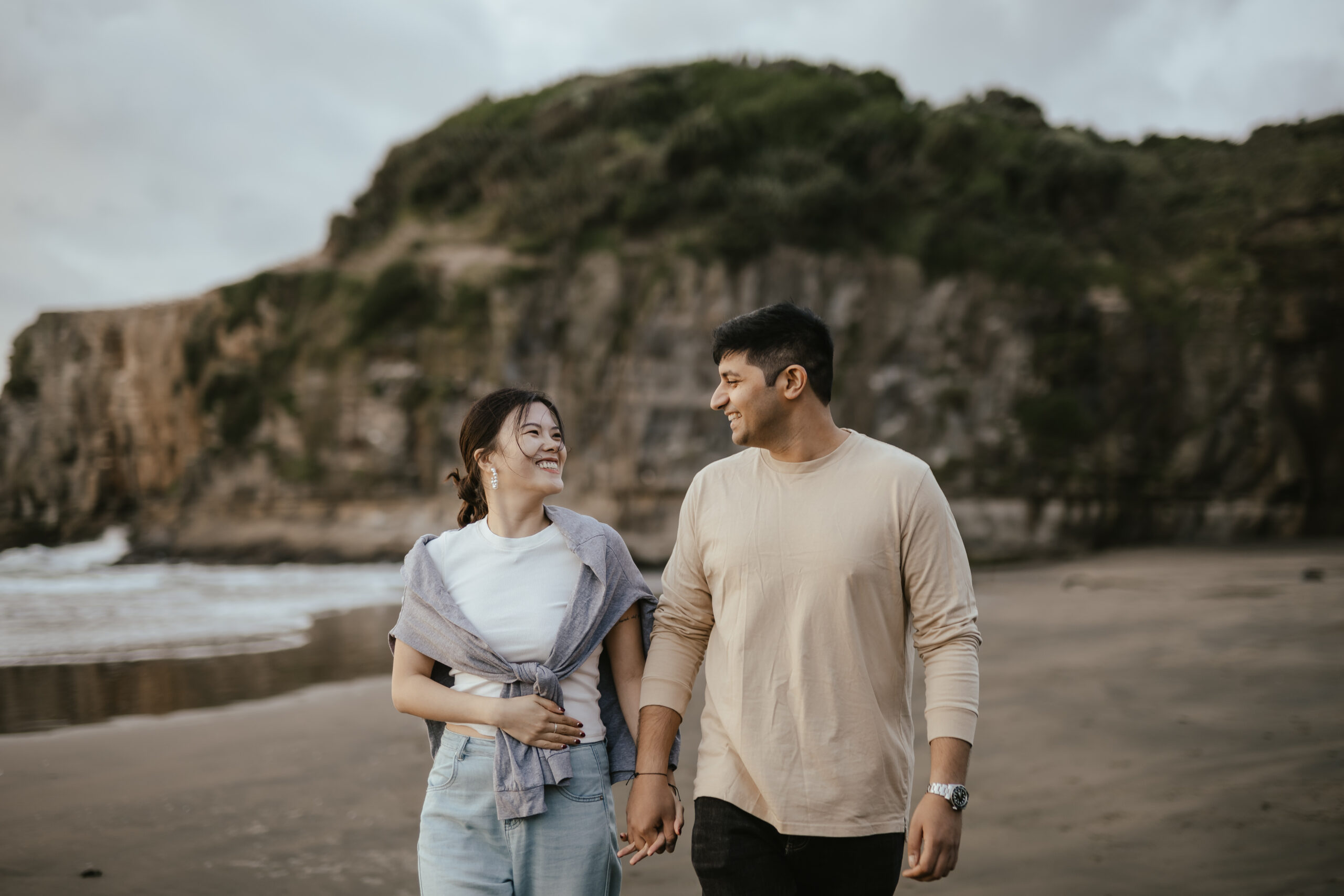
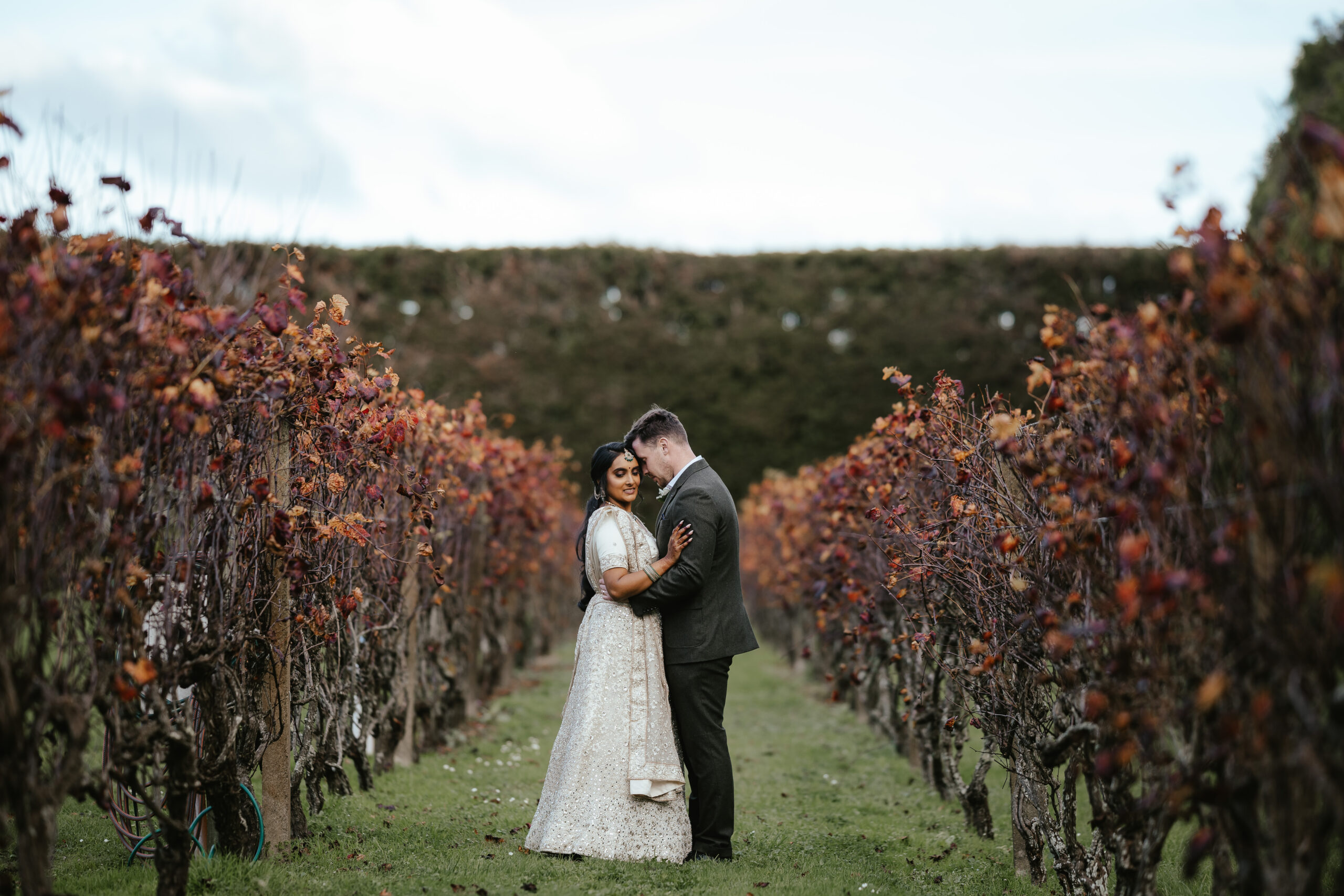
Photography creates printable records of portraits, family groups, décor, clothing and ceremony reactions. These images suit albums, framed displays and quick sharing.
The choice is not simply wedding photography vs videography because the final products serve different purposes. A gallery lets you revisit individual memories without watching a complete film.
For Indian and fusion celebrations, experienced cultural wedding photography also requires anticipation. The photographer should understand when blessings, garland exchanges, pheras, family greetings and farewells are likely to create meaningful reactions.
What Videography Captures Best
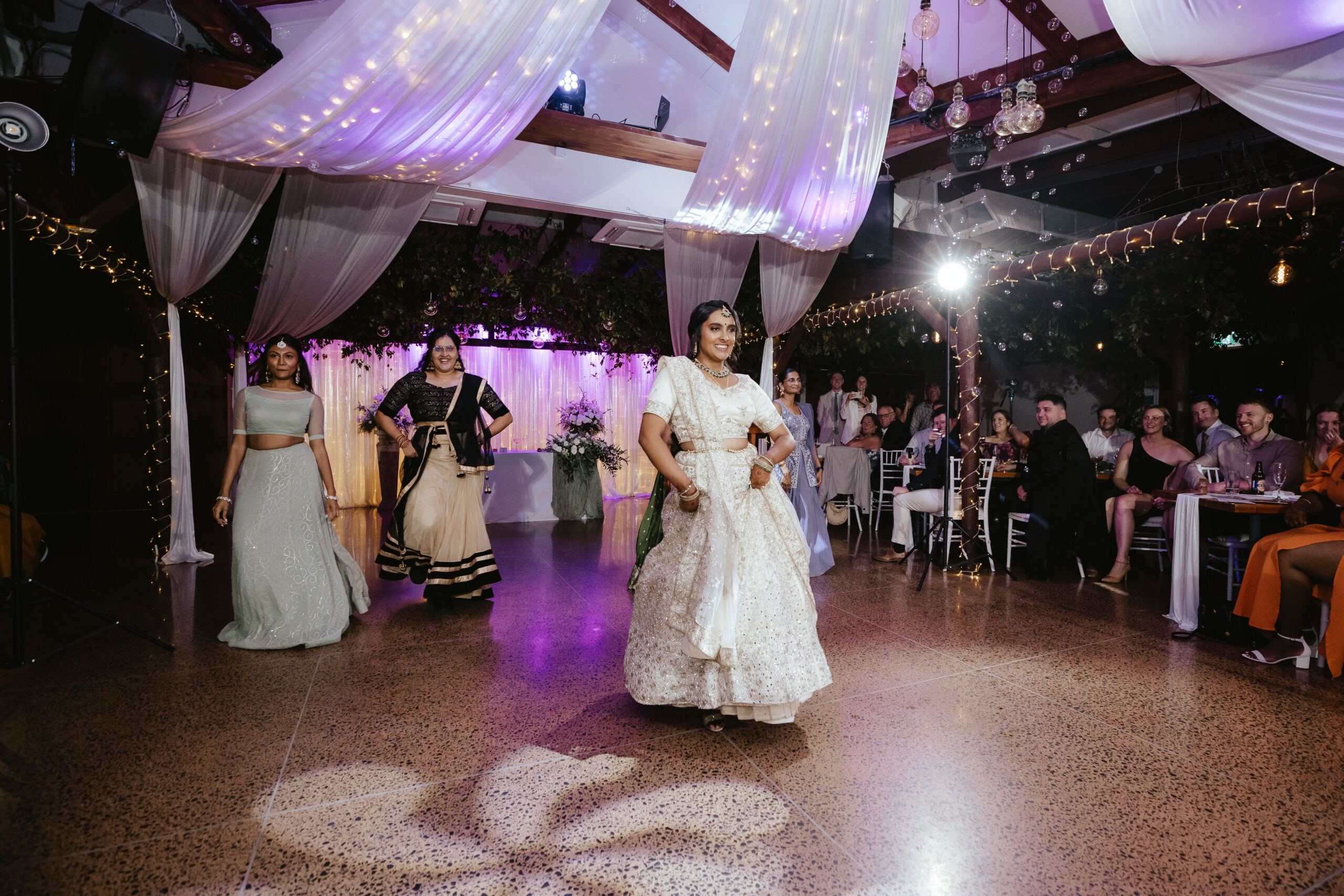
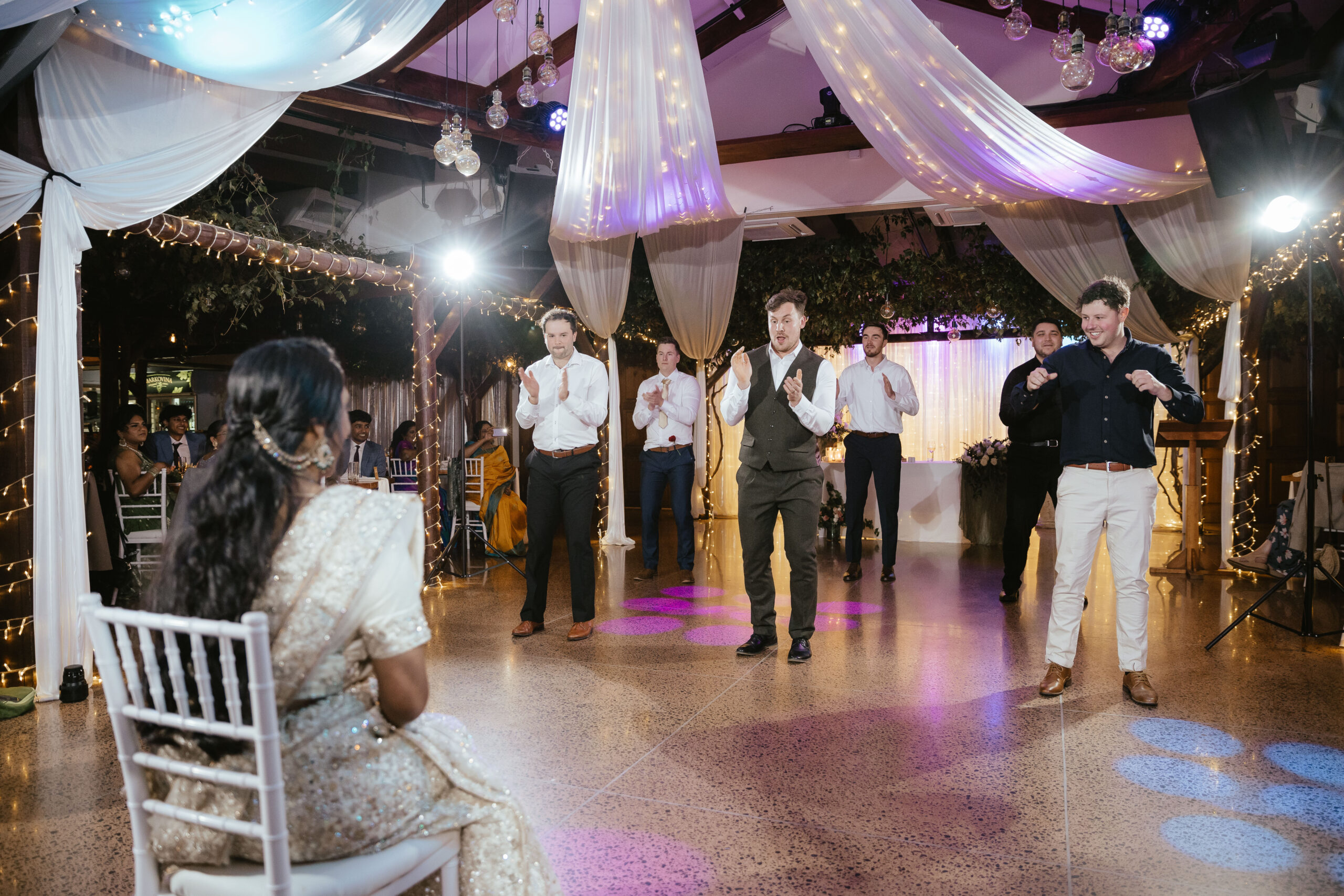
Videography becomes most valuable when a memory depends on time or sound. It records a parent’s voice during a speech, live music, dance performances and the movement of a baraat or bridal entrance.
Couples asking do you need a wedding videographer should consider moments that depend on sound or sequence:
- Vows, readings and blessings
- Speeches and family conversations
- Sangeet performances and dances
- Reactions around important rituals
- Music and applause
Professional Indian wedding videography also uses planned audio recording rather than relying only on a camera microphone. Clear sound matters when spoken words are part of the memory.
How the Two Formats Work Together
A photograph may show a groom smiling during a speech. The film preserves the joke, the laughter and the couple’s response. Video may show the complete ceremony entrance, while the gallery gives each family member a sharp image to print.
This is why wedding videography and photography are complementary services. They cover the same celebration but do not deliver the same memory.
When Is Booking Both the Best Choice?
Booking both is strongest when your celebration includes several locations, meaningful spoken moments, cultural rituals, performances or a large guest list. Wedding videography vs photography becomes less about choosing a winner and more about preventing important parts of the day from disappearing after the event.
Cultural and Multi-Day Weddings
Indian, Sri Lankan, Sikh, Hindu, Muslim and fusion weddings may include a Mehndi, Haldi, Sangeet, ceremony and reception. Each event can involve different people, clothing, rituals and emotions.
Both services are especially useful when preparations happen in separate homes, performances overlap with guest reactions, relatives travel from overseas, or events run across several days.
Weddings With Audio or Overlapping Moments
Book video when you would regret losing speeches, blessings, vows, readings, live music or traditional drumming. At a large reception, several meaningful reactions may also happen at once.
A photograph preserves an expression, but film preserves the words and timing. A coordinated team can also divide responsibilities without asking anyone to repeat genuine moments.
When Could One Service Be Enough?
One service may suit a registry ceremony, short elopement or small celebration with few speeches. Base the decision on how you revisit memories.
When Photography May Be the Priority
Choose photography first when:
- Albums and framed portraits matter most
- The celebration is short
- There are few spoken moments
- You want extensive family groups
- Your budget cannot support experienced teams for both
A photographer can still record the visual story, but voices, music and continuous action will not be preserved professionally.
When Videography May Be the Priority
Video may come first when vows, speeches, music, or performances carry the greatest value. However, film screenshots are not a reliable substitute for quality photographs because individual frames may lack the resolution, lighting or pose needed for albums.
How to Decide What Your Wedding Needs
Use a clear process before changing the budget. Whether you hire a wedding videographer is easier to answer when you examine real moments rather than package names.
Step 1: List Your Essential Memories
Write down ten moments you most want to preserve. Mark each as:
- Best as a photograph
- Best with sound and movement
- Important in both formats
If vows, speeches, performances and family voices appear often, video has a clear role.
Step 2: Map the Full Schedule
List every preparation location, ceremony, portrait session, reception activity and travel period. A practical wedding day timeline reveals overlapping events and shows whether several professionals are needed.
Include preparation, travel, ceremony setup, family portraits, speeches and performances.
Step 3: Compare Complete Deliverables
Strong wedding photo and video packages should explain:
- Team size and coverage hours
- Approximate number of edited images
- Teaser, highlight and full edit lengths
- Audio recording
- Gallery and USB delivery
- Travel, overtime and GST
- Delivery timeframes
- Backup equipment and file storage
Do not compare quotes by hours alone. Longer coverage may offer poor value if it excludes clear audio, complete edits or enough experts.
Step 4: Protect the Budget Priorities
Wedding videography vs photography should be considered before optional décor or favours. A shorter package from an experienced team may protect more meaningful memories than longer coverage with weak audio or no backup plan.
Review realistic photography cost factors and protect the ceremony, family, speeches and major traditions before adding drone footage, albums or extended reception hours.
Step 5: Review the Team’s Process
A reliable process should include:
- Consultation and booking
- Timeline and cultural ceremony review
- Family photograph planning
- Venue and audio preparation
- Coordinated coverage
- Teaser or preview delivery
- Editing and final delivery
Lionbeats moves from consultation and planning to coverage, teasers, editing and delivery. Photos generally take three to six weeks, while video commonly takes four to eight weeks, depending on the events and package.
How Can Photo and Video Teams Work Smoothly?
Give both professionals the same schedule, venue rules, family priorities and cultural moments. A wedding photography checklist can identify people and details that must not be missed.
Confirm Roles and Timing
Before the wedding, agree on:
- Who leads portraits
- Where video cameras can stand
- Who records clean audio
- How lighting is shared
- How schedule changes are communicated
Allow time for photographers to compose groups and videographers to record continuous movement. A rushed timeline weakens both formats.
Choose Cultural Understanding
An expert should recognise that a parent preparing a blessing or siblings reacting during a farewell may matter more than staged décor. Cultural preparation helps the team anticipate these moments without interruption.
Conclusion
Wedding videography vs photography is not a contest between two versions of the same service. Photography protects portraits, details and printable memories, while video protects voices, movement and atmosphere. Couples planning cultural, full-day or multi-day celebrations will usually receive the fullest story by booking both through a coordinated team.
Contact us by calling +64 21 213 5288 or request a personalised quote for your wedding. We only take a limited number of bookings yearly to ensure we provide quality services.
Frequently Asked Questions
Is wedding photography more important than videography?
Photography suits albums, portraits and family groups, but it cannot preserve sound or continuous action. Choose both when vows, speeches, performances or cultural rituals are central to the memory.
Does a small wedding still benefit from videography?
Yes. A small wedding may have fewer events, but its vows and family speeches can be deeply personal. Video is useful when relatives cannot attend or meaningful words should be preserved.
Can one person photograph and film a wedding?
One person can provide limited hybrid coverage for a short event, but cannot reliably capture simultaneous photo, video and audio needs. Separate specialists are safer for entrances, vows, family reactions and performances because each can focus on the format they must deliver.
Is it cheaper to book photo and video together?
A combined booking may provide better value because planning, travel and coordination are shared. Compare team size, hours, edited images, film lengths, audio, overtime and delivery terms rather than assuming the lowest price provides complete coverage.
Does Lionbeats customise coverage for cultural weddings?
Yes. Lionbeats can tailor photography only, video only and combined coverage for single-day and multi-day cultural weddings across New Zealand. Packages can account for separate venues, pre-wedding events, ceremonies, receptions, travel and the traditions that matter most to each family.