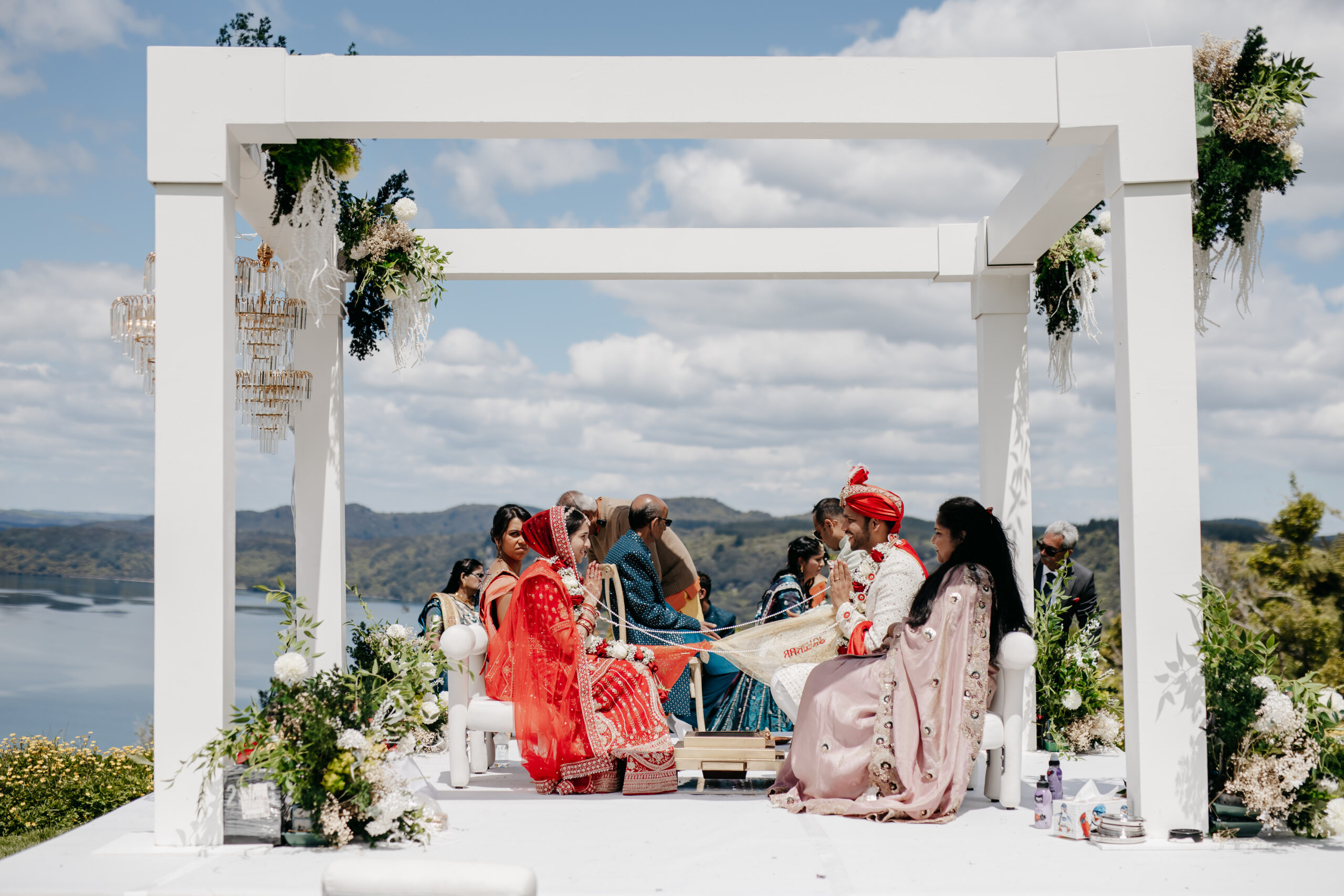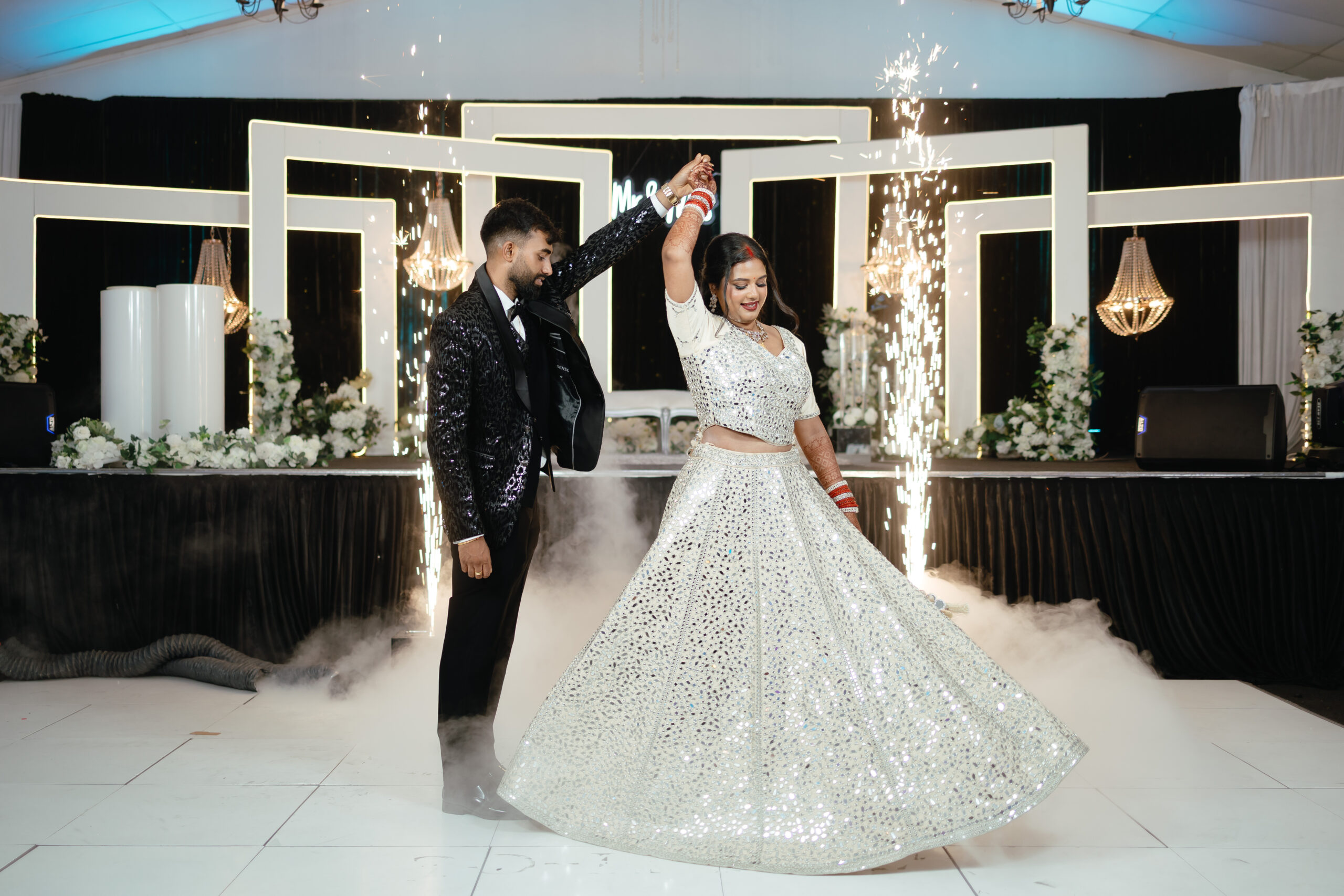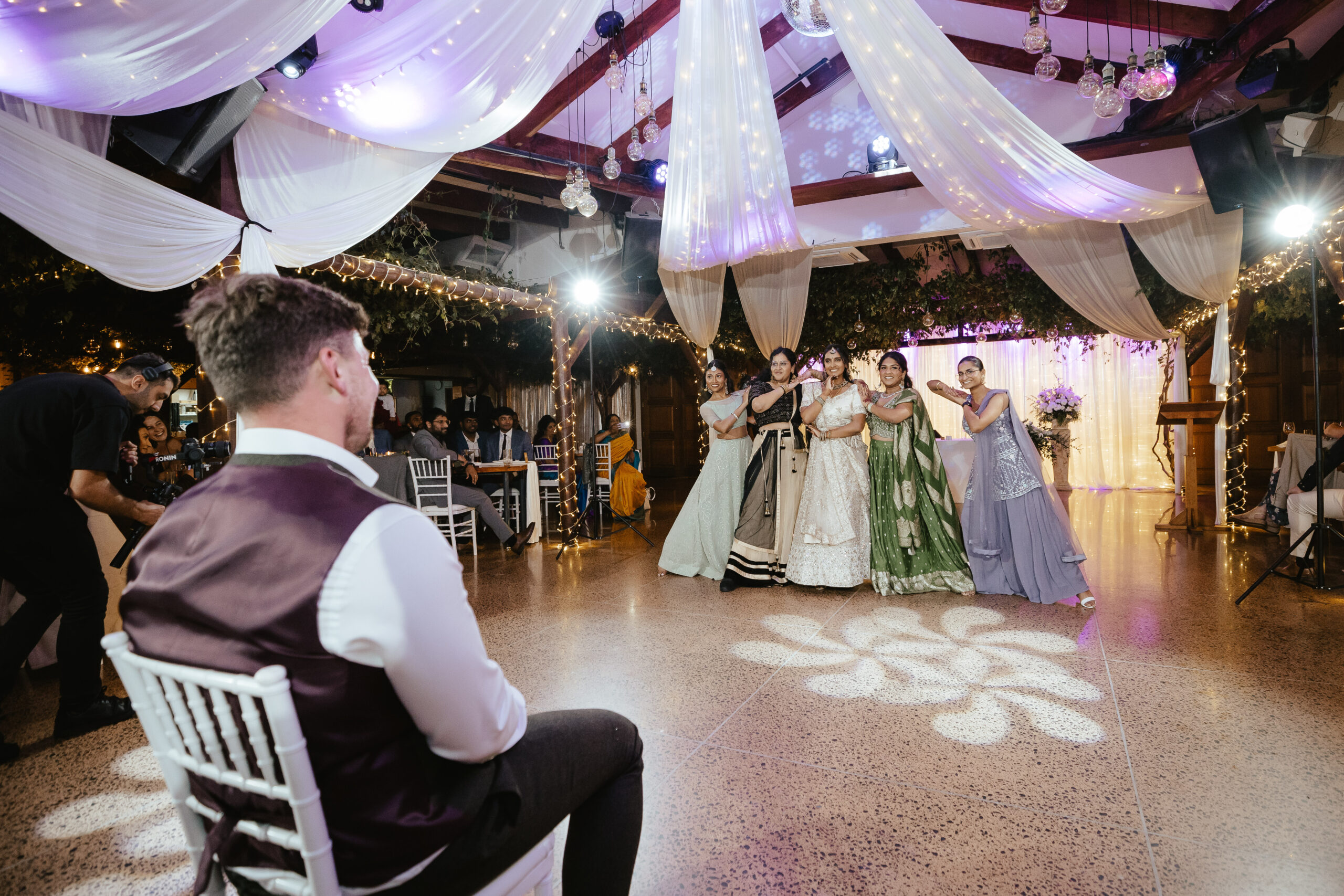
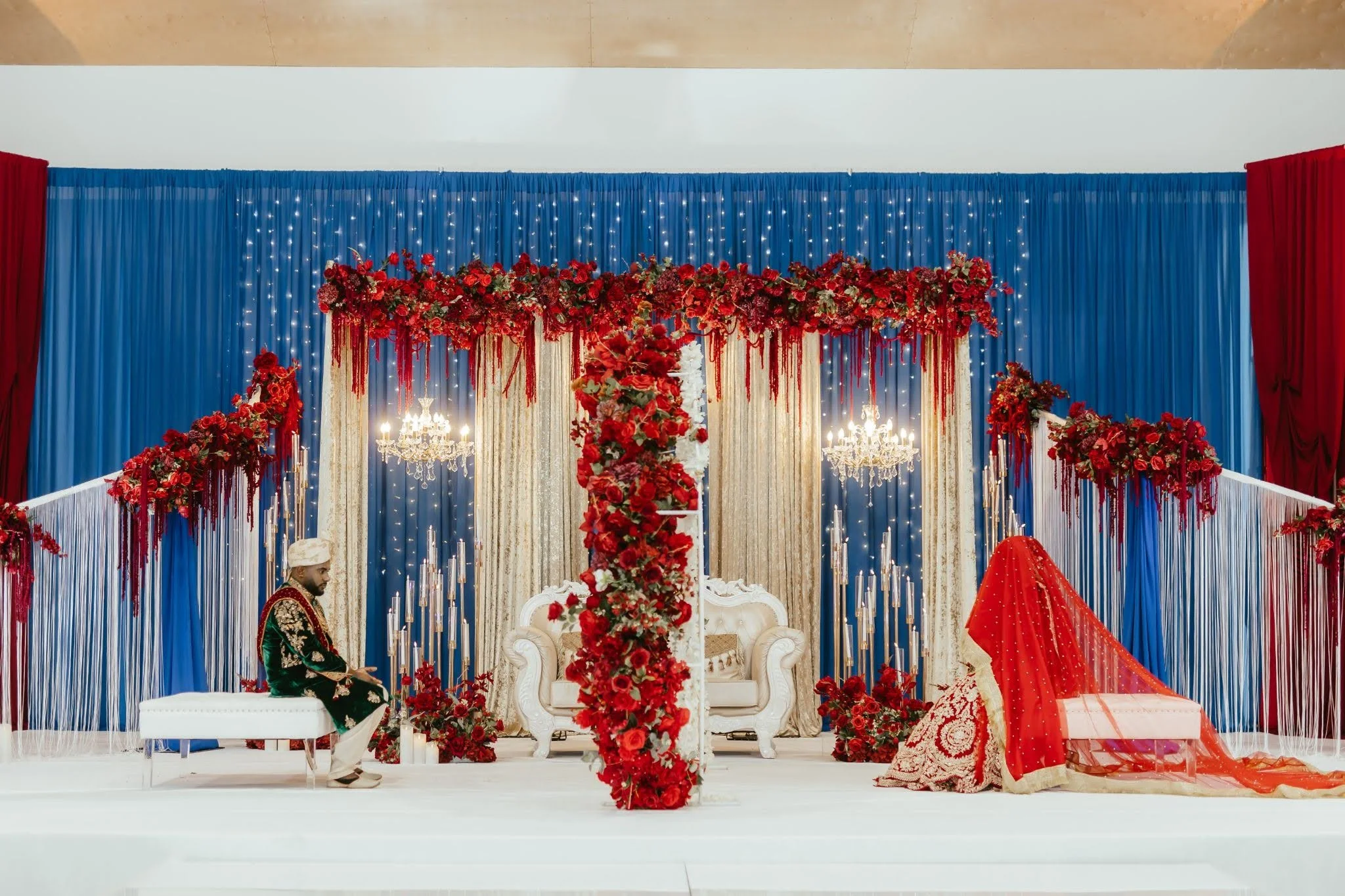
A wedding day coordinator helps your celebration run smoothly by managing the timeline, suppliers, family movements, set-up details and last-minute decisions. This support is especially helpful when your wedding includes cultural rituals, several locations, outfit changes, speeches, dances or full wedding photography coverage.
The main benefit is freedom. You can enjoy the ceremony, reception, and family moments while someone else keeps the day organised, keeps important parts of the schedule on track, and reduces pressure on the people closest to you.
Key Takeaways
- They reduce stress for the couple.
- They keep suppliers and venues aligned.
- They help important rituals and family moments happen without unnecessary delays.
- They support better photo and video timing.
- They help family members enjoy the day.
What Does a Wedding Day Coordinator Does?
A wedding day coordinator manages the final plan and supports the flow of the celebration. Their role is practical, calm and focused on making the day work as planned.
They confirm the timeline, guide suppliers, direct key people, check set-up details and handle small issues. They usually step in after the main decisions are made, then help everything run smoothly on the day.
Couples often think coordination only means following a timeline, but the real value is having one trusted person manage decisions, suppliers, family movement and small problems. Common mistakes include asking a close relative to coordinate, assuming the venue provider will handle preparations, leaving no time buffer and not explaining cultural rituals clearly.
What Are the Benefits of Having a Wedding Day Coordinator?
A wedding day coordinator helps the couple, family and suppliers follow one clear plan. This makes the day calmer, more organised and easier to enjoy, especially for weddings with cultural rituals, family roles, speeches, dances, photo and video coverage.
1. Less Stress for the Couple
A coordinator becomes the main contact for timing, supplier questions, guest movement and small issues. This keeps the couple away from repeated questions, set-up concerns and last-minute decisions.
2. Clearer Supplier Communication
Suppliers need accurate timings, access details and quick answers on the day. A coordinator keeps the florist, celebrant, photographer, videographer, caterer, musicians and venue team aligned.
3. Better Protection for Cultural Moments
Cultural weddings often include rituals such as Mehndi, Haldi, Baraat, Milni, Mandap ceremony, reception entrance, or Vidaai. A coordinator helps each moment happen in the right order, with the right people ready.
4. Smoother Photo and Video Coverage
Photo and video teams work better when people, spaces and timings are prepared. A strong run sheet allows enough time to prepare for photos, ceremony coverage, family portraits, speeches, dances and emotional reactions.
5. More Time for Family to Enjoy the Day
A coordinator allows parents, siblings, cousins and close friends to be present instead of managing suppliers or gathering guests. This helps family members join rituals, appear in photos and enjoy the celebration.
Coordinator, Planner and Venue Coordinator Comparison
This table shows how a wedding coordinator differs from a planner and a venue coordinator. Each role can help, but they do not usually cover the same responsibilities.
| Role | Best For | Main Focus |
| Wedding day coordinator | Couples who planned most details but need day support | Timeline, suppliers, family movement and set-up |
| Wedding planner | Couples who need help from the beginning | Budget, styling, suppliers and full planning |
| Venue coordinator | Couples using a venue with in-house support | Venue access, catering timing and site rules |
The benefits of a wedding planner are broader because a planner often helps from the start. A wedding coordinator usually steps in later and focuses on final details, supplier flow and the day itself.
What Should a Wedding Day Coordinator Checklist Include?
A coordinator checklist should include the timeline, supplier contacts, ceremony order, family photo list, transport notes, set-up details and emergency contacts. It should be simple enough to use during a busy day.
Include these essentials:
- Final run sheet
- Supplier names and arrival times
- Venue access and parking details
- Ceremony order and cultural rituals
- Family photo list
- Reception entrance order
- Speech and performance schedule
- Wet weather plan
- Backup contacts
Couples should also prepare a short list of must-capture moments. A wedding photography checklist can help organise preparation, ceremony, family portraits and reception details before the final meeting.
What Affects the Average Cost for Day of Wedding Coordinator Support?
Day of wedding coordinator pricing can vary based on location, guest count, coverage hours, set-up needs and overall wedding complexity. A simple ceremony usually costs less to coordinate than a cultural wedding with multiple events, suppliers and family roles.
Instead of choosing by price alone, compare scope. Ask how many hours are included, whether supplier confirmation is covered, whether rehearsal support is offered and whether travel or overtime fees apply.
When Should You Book an On-the-Day Wedding Coordinator?
A wedding coordinator should be booked once your date, venue, ceremony time and main suppliers are confirmed. Early booking gives them time to understand the plan before the final weeks.
A simple timeline is:
- Six to nine months before: decide if you need support
- Three months before: share supplier details
- One month before: finalise the run sheet
- One week before: confirm arrivals and set-up notes
- Wedding day: let the coordinator manage the progress
Waiting until the last few days limits what they can fix. Early communication helps them find timing gaps before they cause stress.
Why Is Coordination Especially Helpful for a Multi-Day Hindu Wedding?
Multi-day weddings benefit more because every event has its own people, timing and supplier needs. The more moving parts involved, the easier it is for small delays to build.
A Friday Mehndi, Saturday ceremony and evening reception may involve different outfits, décor, catering teams, music, photography and videography needs. A coordinator keeps those pieces connected.
Couples planning larger celebrations should also book early so coordination and creative coverage can be planned around the same timeline.
A Smoother Wedding Day Starts With Lionbeats
Lionbeats understands how timing, family flow and cultural rituals shape Indian, Sri Lankan, fusion and traditional weddings. Their photo and video team plans coverage around real moments, from pre-wedding portraits and ceremony rituals to reception highlights.
To make your wedding feel calmer and easier to enjoy, choose a team that works smoothly with your coordinator, family and suppliers. Call Lionbeats on +64 21 213 5288 or email contact@lionbeats.co.nz to discuss your date, events and coverage needs.
Frequently Asked Questions
Is a wedding day coordinator worth it?
Yes, a wedding coordinator is worth it if you want less stress, clearer timing and better support for suppliers, family members and important wedding moments.
Does a coordinator replace a wedding planner?
No, a coordinator usually manages final details and wedding day flow, while a planner helps earlier with budget, styling, suppliers and design.
Can a family member coordinate the wedding?
Yes, but it works best for small weddings where that person does not also need to host guests, join portraits, assist elders or give speeches.
Is coordination helpful for Indian or Sri Lankan weddings?
Yes, coordination is helpful because Indian and Sri Lankan weddings often include several rituals, family roles, supplier movements and timing-sensitive moments.
Does a coordinator help with photo and video timelines?
Yes, a coordinator helps by keeping people ready, spaces clear and key events close to schedule, which supports smoother photo and video coverage.