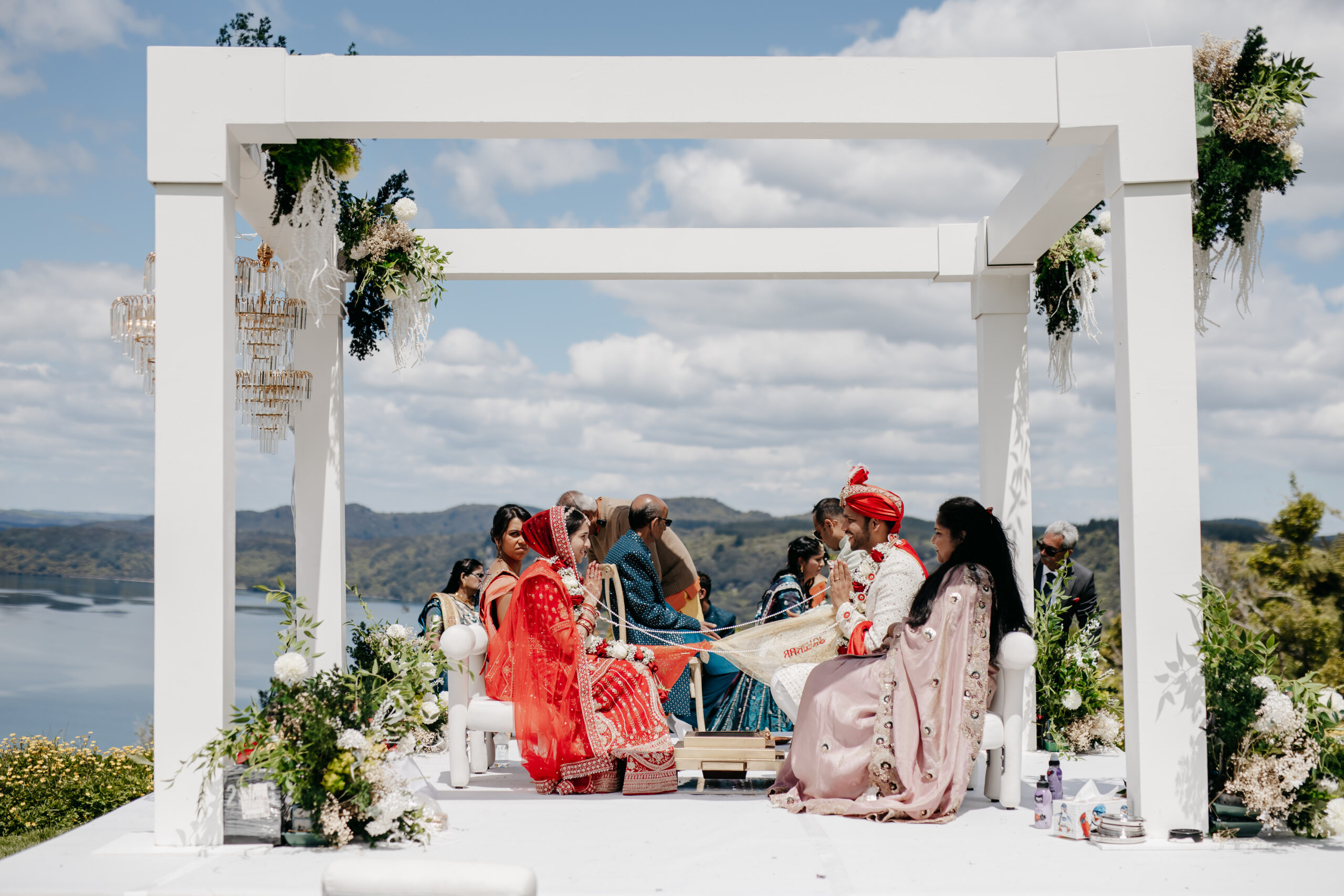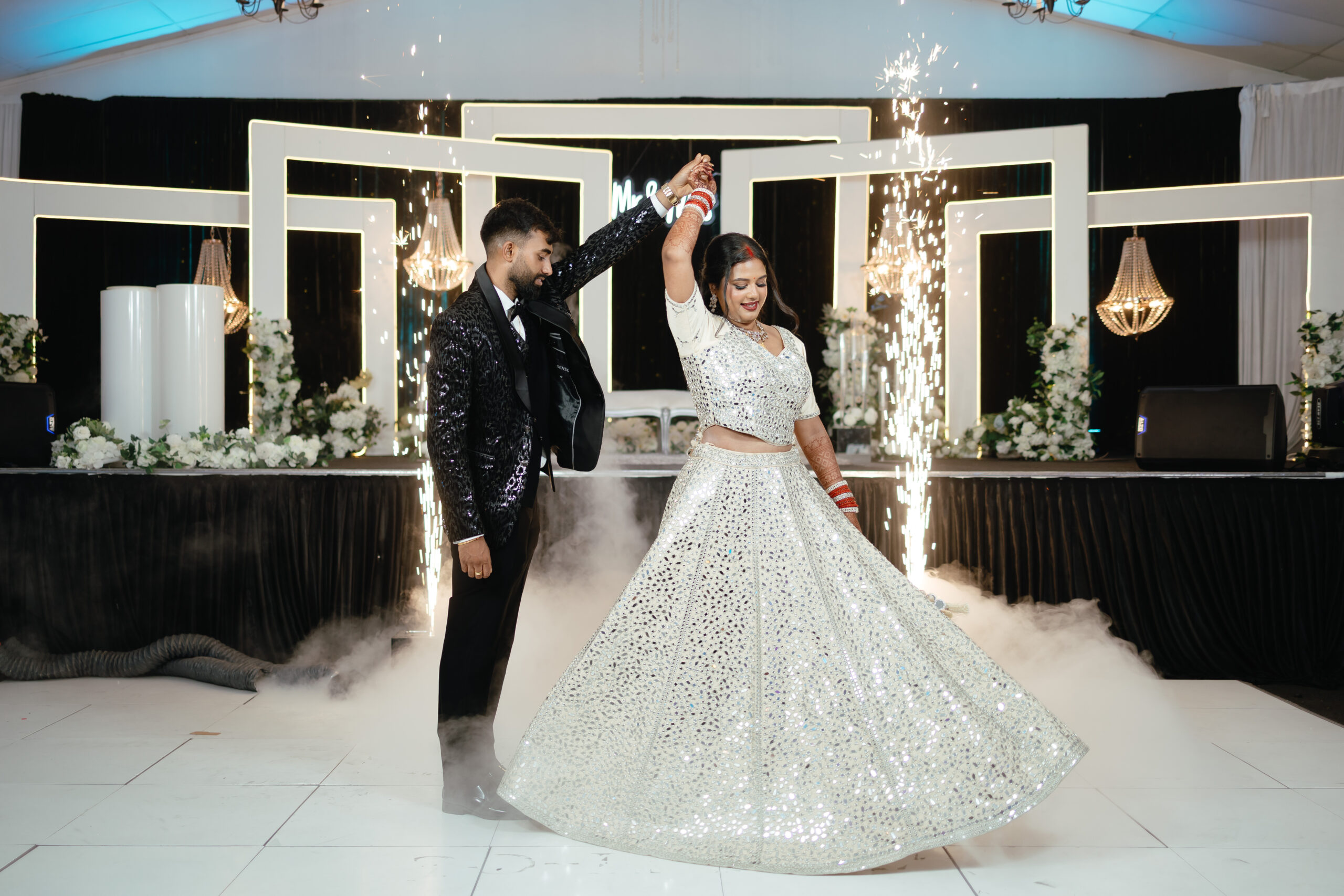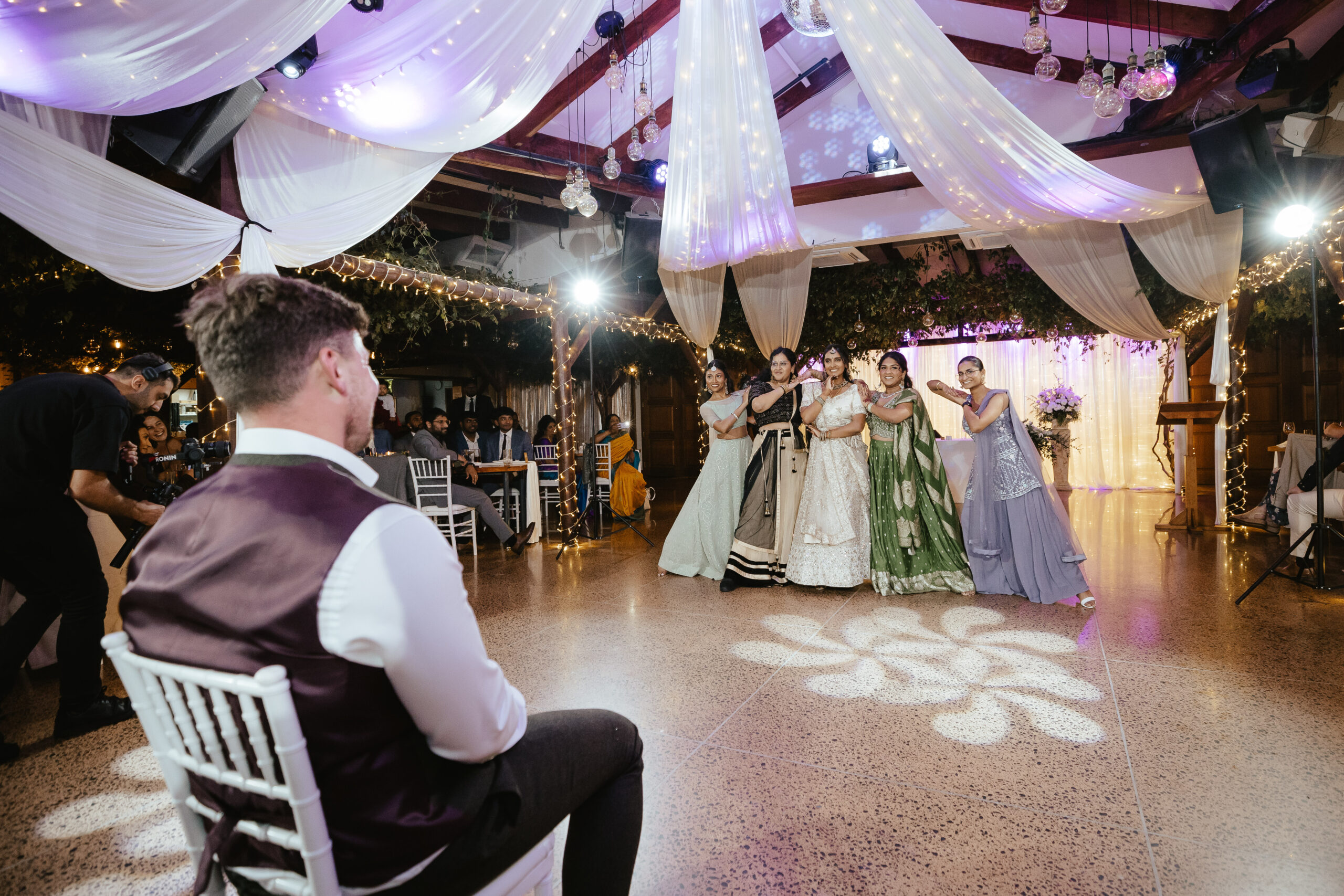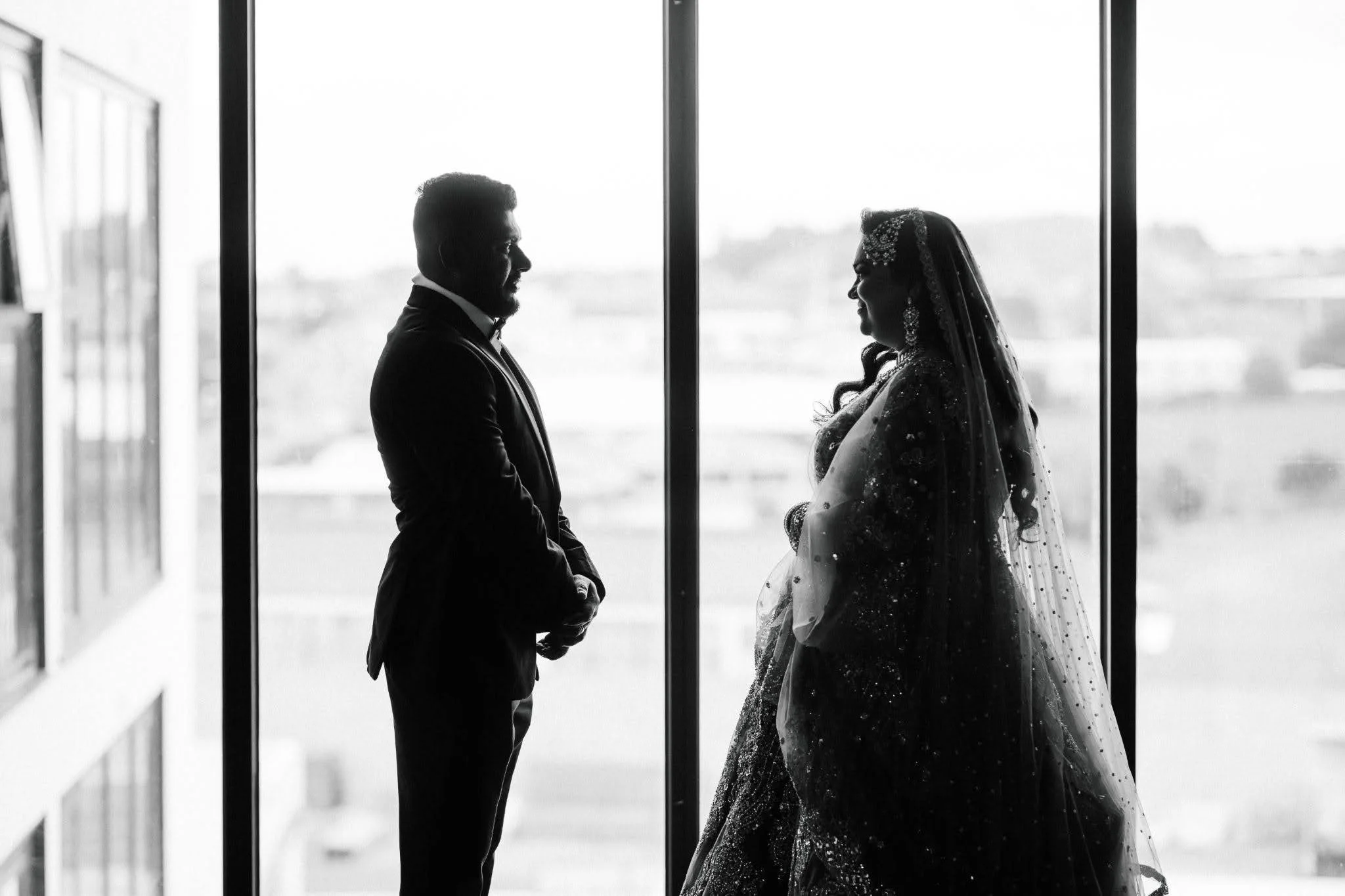
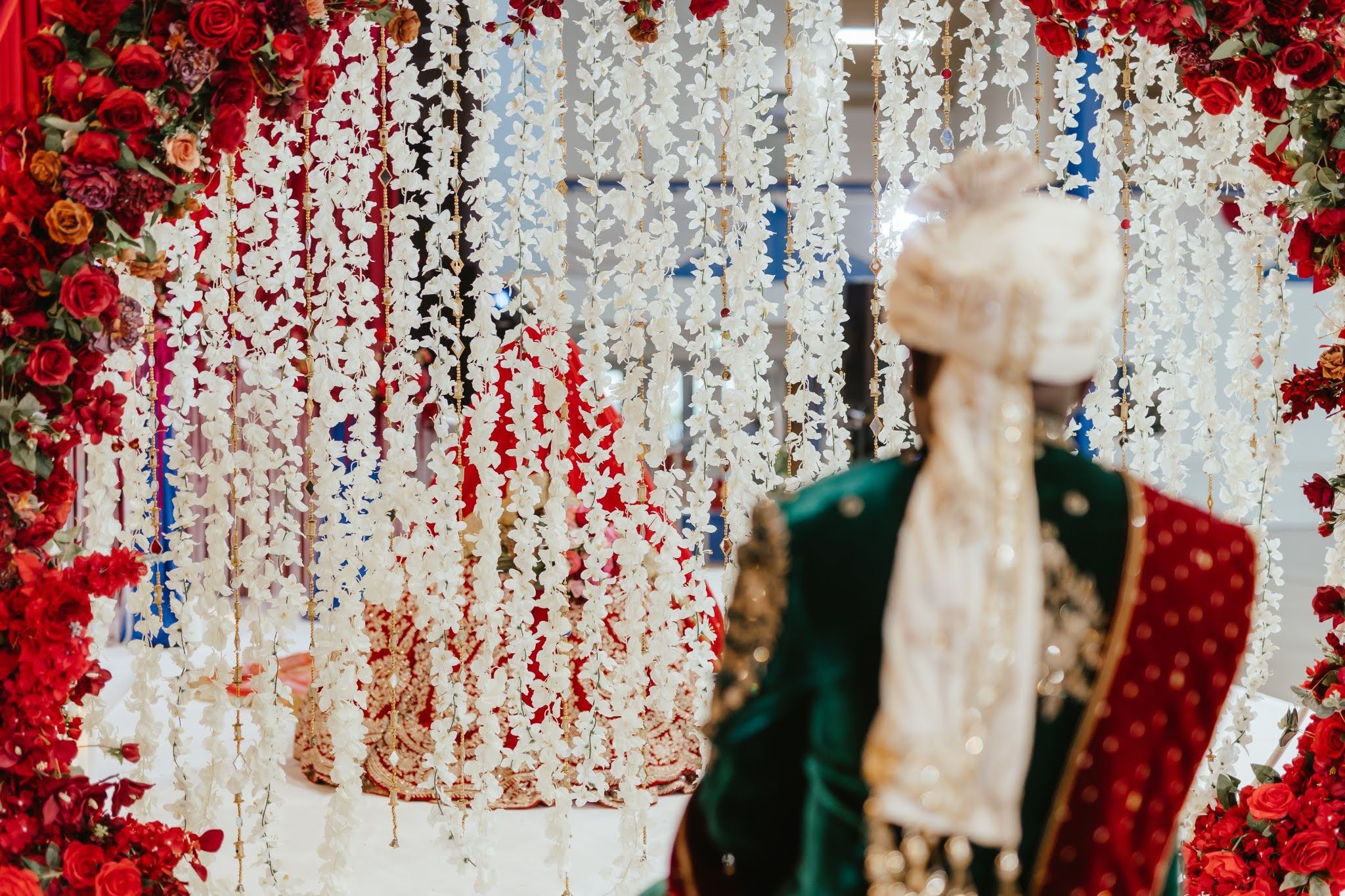
What happens at a Mehndi ceremony is that the bride receives henna, families gather for music, food and blessings, and guests celebrate before the wedding day. Thoughtful Mehndi wedding ceremony photography helps capture the henna details, family reactions, dances and colour that make the event meaningful.
A Mehndi may be a small home gathering or a lively celebration. Capturing moments should be planned to ensure important moments are not missed. This guide is to provide you with an idea of what happens in a Mehndi ceremony, from clothing to certain traditions shared between couples and their families.
Key Takeaways
- A Mehndi ceremony is a pre-wedding event centred on henna, family, music and blessings.
- Bridal henna is usually more detailed than guest henna and can take several hours.
- Guests usually wear bright, modest and comfortable clothing suited to sitting and dancing.
- Clear planning helps capture photos without interrupting the event.
- The best coverage includes henna details, family portraits, dances, décor and candid reactions.
What Is the Meaning and Significance of Mehndi Ceremony in Indian Weddings?
Mehndi ceremony is centred on henna, beauty, joy and the bride’s transition into married life. Henna is applied to the bride’s hands and feet, often with detailed patterns, symbols, initials or designs that reflect the couple’s story and family traditions.
Most people treat the Mehndi as a small side event, but it often holds some of the most personal moments of the wedding week. The biggest mistake is waiting until the performances begin to start coverage, when henna details may already be disturbed, and important relatives may have left.
Mehndi’s significance is also emotional and cultural. It brings both families together before the wedding day for blessings, music, food and celebration, creating a relaxed space for relatives and friends to show love and support before the main ceremony.
What Happens at a Mehndi Ceremony?
The Mehndi ceremony usually includes guest arrival, henna application, food, music, dancing, family photos and informal blessings. The order depends on family tradition, venue, guest list and whether the bride’s henna is applied before or during the event.
Guests Arrive and Families Gather
Guests arrive in colourful outfits, greet both families and enjoy snacks. Some couples include a formal entrance, while others keep the opening relaxed.
The Bride Receives Henna
The bride’s henna may be applied during the celebration or earlier in the day. Many brides complete the detailed design before the party so they can greet guests and enjoy the evening.
The guests’ henna is simpler. A small design may take minutes, while bridal henna can take several hours.
Music, Dancing and Food Follow
Families may prepare group dances, playful performances or songs for the couple. Food may be light snacks or a full dinner, and sweets are often shared as a sign of happiness.
What Is a Typical Mehndi Ceremony Timeline?
A typical Mehndi ceremony runs for three to five hours, depending on the guest list, venue and whether the bride’s henna is applied before or during the event. The schedule should allow enough time for henna details, family portraits, food, performances and dancing.
| Time | Moment | What Happens |
| Before guests arrive | Décor and details | Capture the henna setup, sweets, bangles, flowers, seating and styling before guests enter. |
| Before or early in the event | Bride and family portraits | Take calm photos with parents, siblings, close relatives and friends before the room gets busy. |
| Event start | Guest arrival | Guests arrive, greet both families, enjoy snacks and settle into the celebration. |
| Early event | Bridal henna | Photograph the bride’s henna application or finished design, including close-ups and family reactions. |
| Mid-event | Guest henna and candid moments | Capture guests receiving henna, family interactions, food, laughter and natural moments. |
| Later event | Performances and dancing | Cover family dances, songs, speeches, group photos and open dance floor moments. |
| End of event | Final henna close-ups | Capture the bride’s henna details and final celebration moments before guests leave. |
Henna drying time should be considered when planning the programme. For multi-day Indian weddings, the Mehndi event timeline should also connect smoothly with the Haldi, ceremony, and reception schedule. The Indian wedding photography guide explains how rituals, family movement and timing affect coverage.
What to Wear to a Mehndi Ceremony as a Guest
As a guest, it depends on the dress code, venue and family expectations. Bright colours are often welcome, and guests should choose clothing that is modest, comfortable and easy to move in for sitting, eating, dancing and photos.
Women may wear a lehenga, sari, anarkali, salwar kameez or a modest dress with Indian-inspired accessories. Men may wear a kurta, Nehru jacket, sherwani style outfit or smart formal clothing.
If you are unsure what to wear to a mehndi ceremony, ask the couple or a close family member. Avoid clothing that is too revealing, tight for sitting or delicate if you plan to get henna.
How Should Couples Plan Mehndi Ceremony Photos?
Couples can plan the ceremony photos by following these steps:
- Confirm the henna timing. Decide whether the bride’s henna will be applied during the event or completed beforehand.
- Share the timeline. Give the team the order of arrivals, henna application, food, performances, and dancing.
- Prepare a family photo list. Include parents, siblings, grandparents, close relatives and friends.
- Take portraits early. Capture key family photos before the room gets crowded or elders leave.
- Point out important details. Show the team meaningful jewellery, bangles, sweets, décor, outfits or henna symbols.
- Share performance details. List dances, songs, speeches or surprises so the team is ready.
- Allow candid coverage. Leave space for natural reactions, guest henna, blessings, laughter and dance floor moments.
A prepared photo list helps avoid missed group photography. The ultimate wedding photography checklist is useful for organising must-have shots.
How Does the Setting Affect the Ceremony?
The setting affects the flow, photos, comfort, and timing. A home event feels personal, a venue gives more structure, and an outdoor setting can look beautiful if even the weather is taken into consideration.
| Setting | Best For | What to Plan |
| Home Mehndi | Small family gatherings | Seating, lighting, parking and henna space |
| Venue Mehndi | Larger guest lists and dances | Run sheet, sound, catering and photo areas |
| Garden Mehndi | Daytime or sunset events | Shade, wind cover, lighting and rain backup |
What Should Couples Share With Their Photo and Video Team?
Couples should share the schedule, family photo list, celebration programme, venue rules, and cultural details before the event. This helps the photo and video team capture the celebration respectfully without interrupting rituals or slowing the evening.
Useful details to share include:
- When the bride’s henna will be applied
- Whether the groom will attend
- Important elders and family groups
- Surprise dances or speeches
- The best area for henna portraits
- Lighting needs for evening coverage
For couples planning several events, Indian wedding photography and videography packages help keep the style consistent across the Mehndi, Haldi, ceremony and reception. It is also helpful to understand cultural ceremony photography do’s and don’ts before the wedding week.
Capture the Colour, Blessings and Joy of Your Mehndi Ceremony
What happens at a Mehndi ceremony is full of detail, from henna application and family blessings to music, food, dancing and emotional guest reactions. These moments move quickly, so thoughtful photo and video coverage helps preserve the atmosphere without interrupting the celebration.
Lionbeats captures Mehndi ceremonies with cultural care, calm direction and natural storytelling, helping couples remember the rituals, colours and family moments clearly. To plan coverage for your Mehndi ceremony or full Indian wedding celebration, reach out to us on +64 21 213 5288 or email contact@lionbeats.co.nz to start with a consultation.
Frequently Asked Questions
Is what happens at a Mehndi ceremony the same for every Indian wedding?
No, every Mehndi is different because families may follow Hindu, Sikh, Muslim, regional or fusion customs, but most include henna for the bride, a family gathering, and celebration through food, music, dance or blessings.
Does a Mehndi ceremony happen before or after the wedding?
A Mehndi ceremony usually happens before the wedding, often one or two days earlier, because the henna needs time to dry, deepen and settle before the main ceremony, and couples can call +64 21 213 5288 to plan multi-event coverage.
Can guests wear Western clothes to a Mehndi ceremony?
Yes, guests can wear Western clothes if the invitation allows it, but the safest approach is to choose modest, colourful and comfortable clothing with respectful touches such as jewellery, a shawl or formalwear suited to dancing and photos.
Is henna safe for guests and children at a Mehndi?
Natural henna is usually low risk, but guests should avoid black henna, check allergies and follow these steps: keep the paste dry, avoid smudging, let it flake naturally, and keep hands warm for a deeper stain.
Can a Mehndi ceremony be photographed without feeling staged?
Yes, a Mehndi ceremony can be photographed naturally when the team plans early detail shots, identifies key family members, follows the performance schedule, gives gentle direction for portraits and steps back during candid moments.