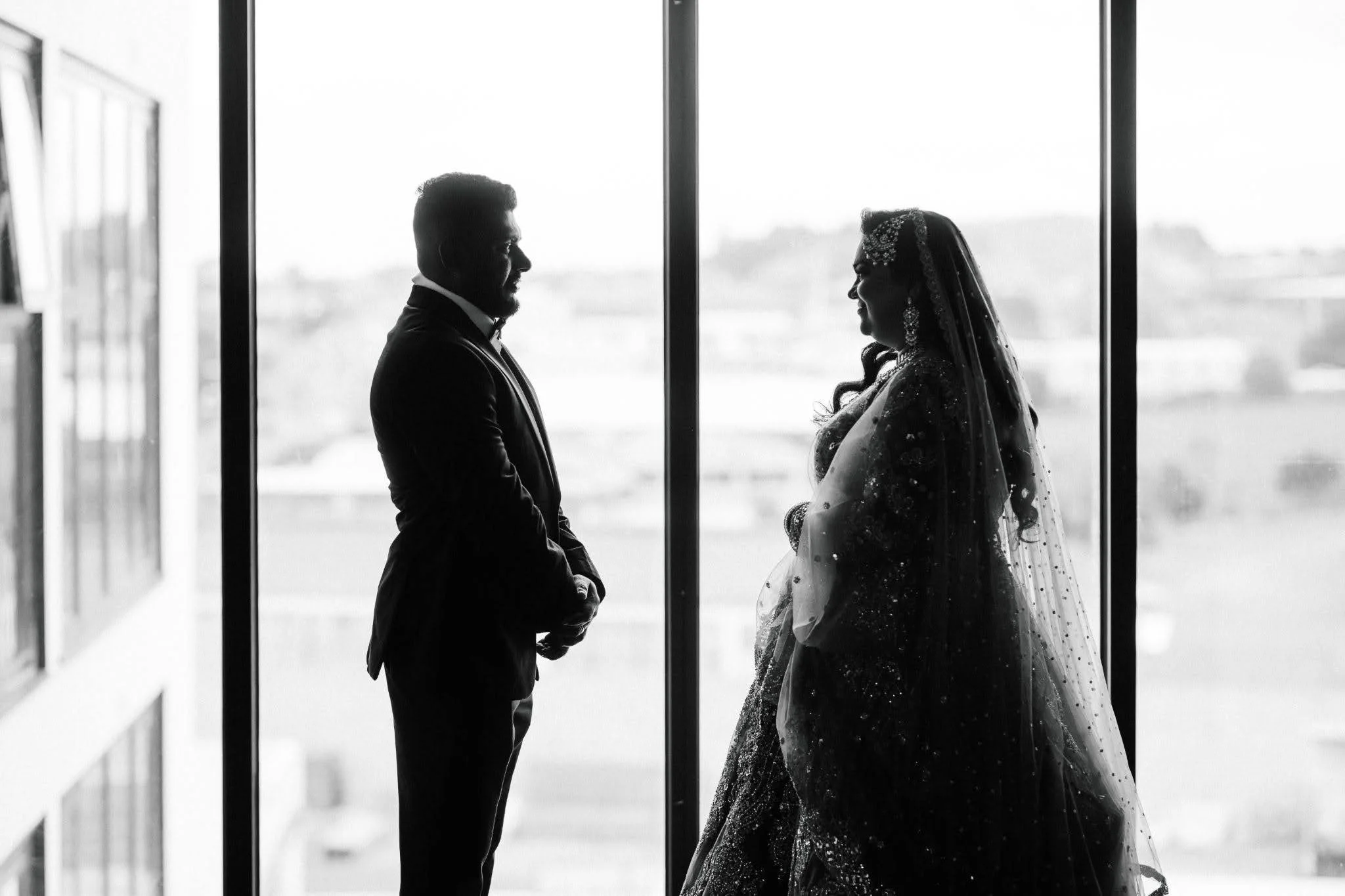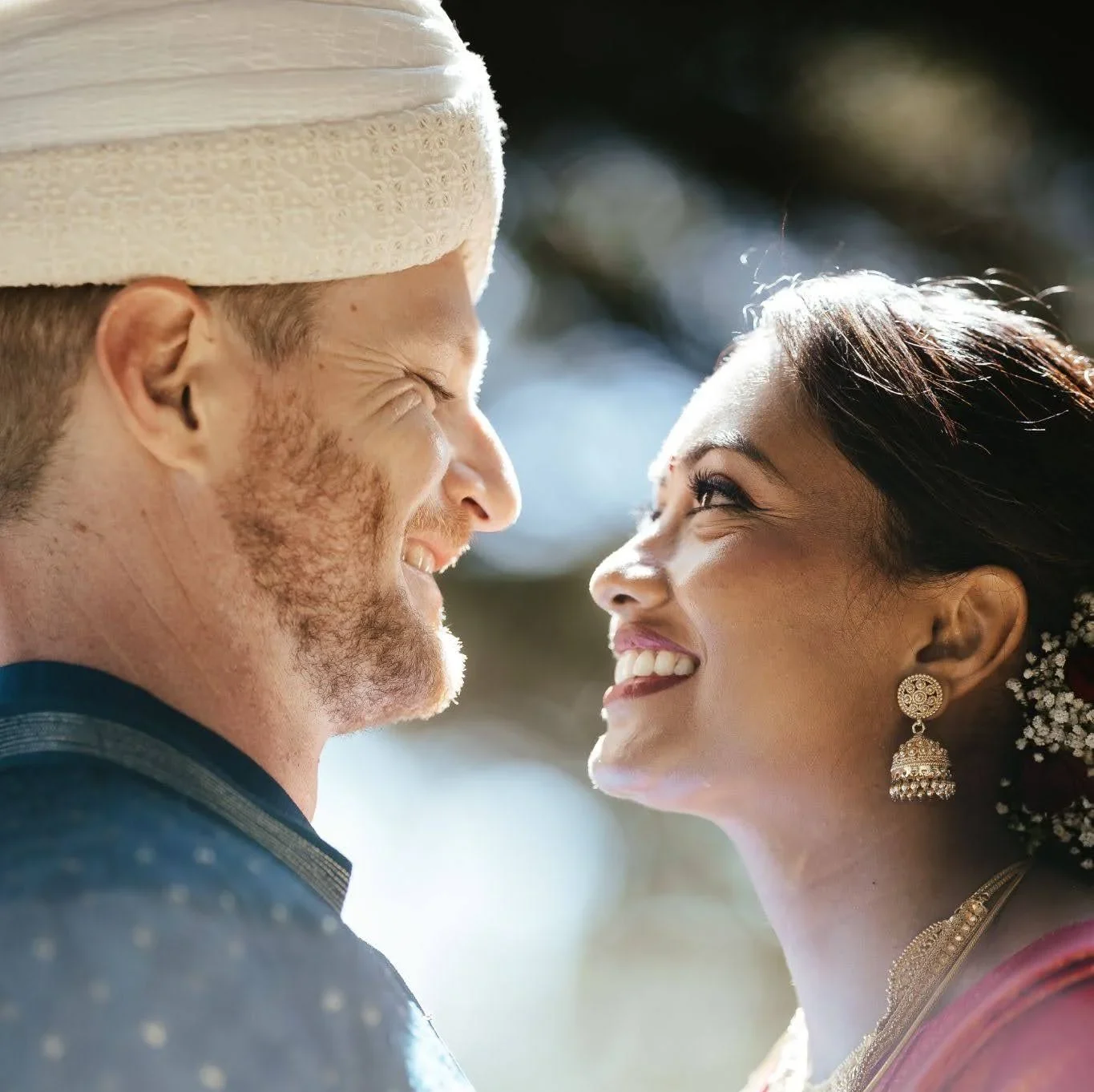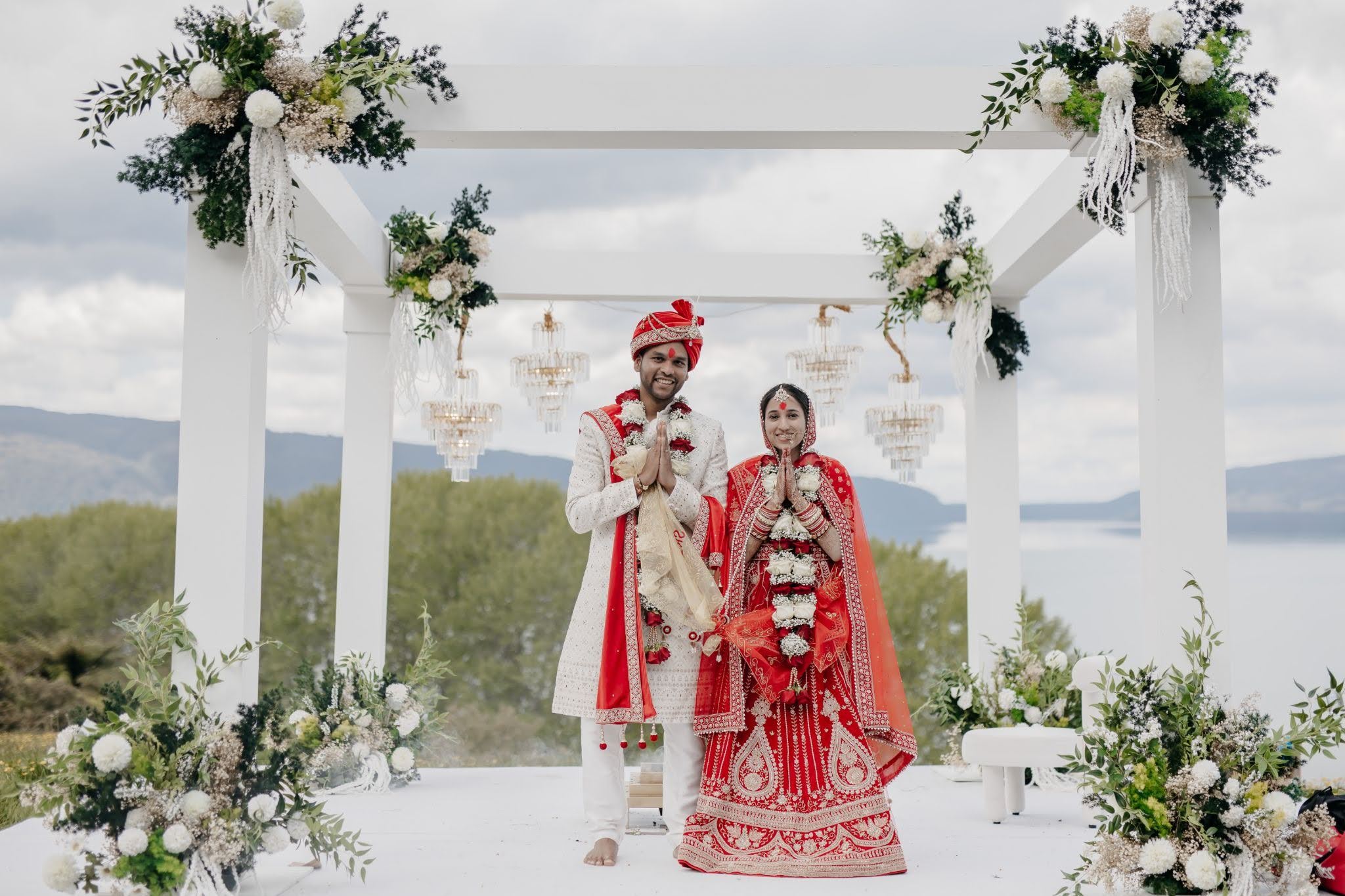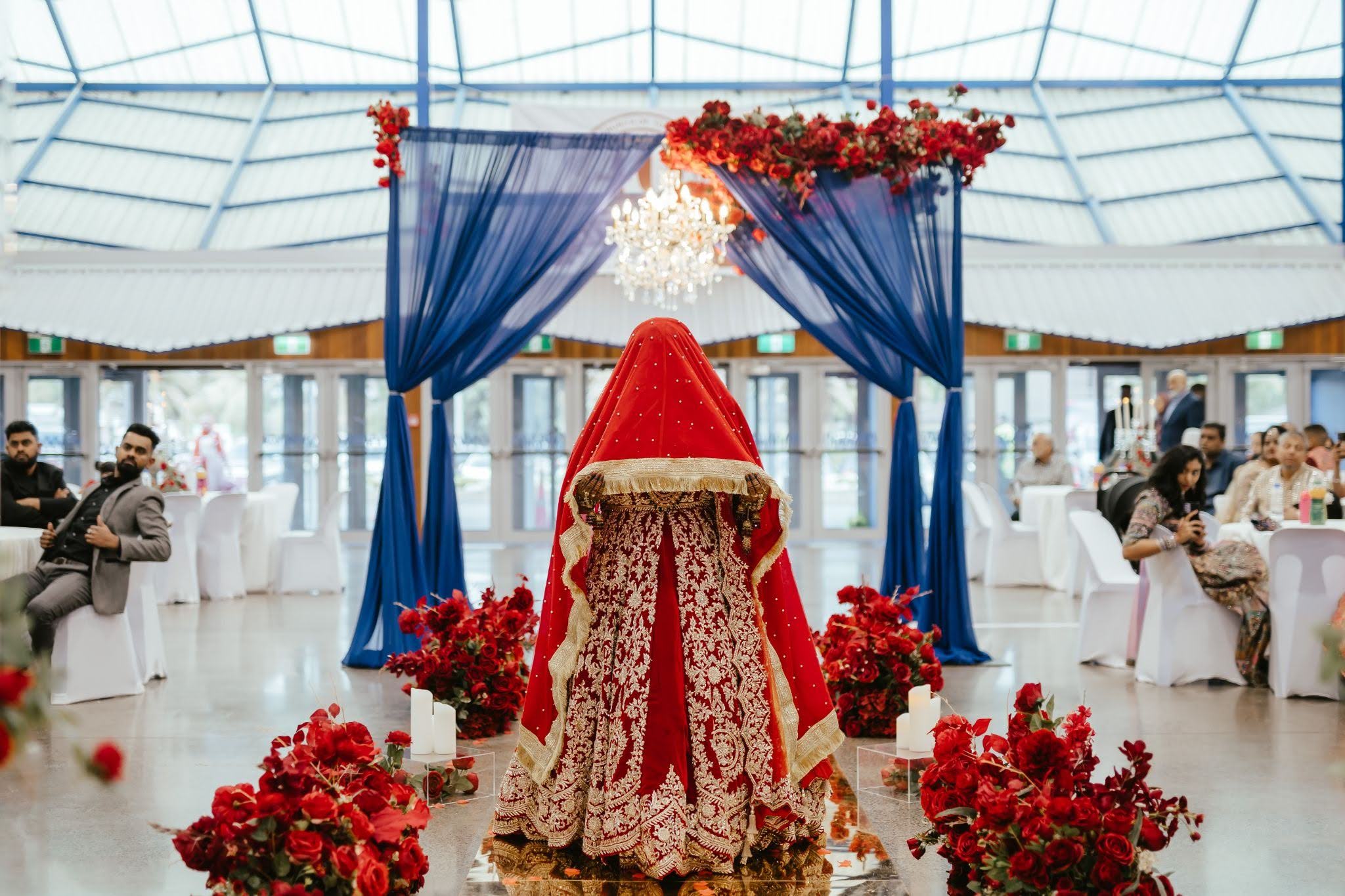
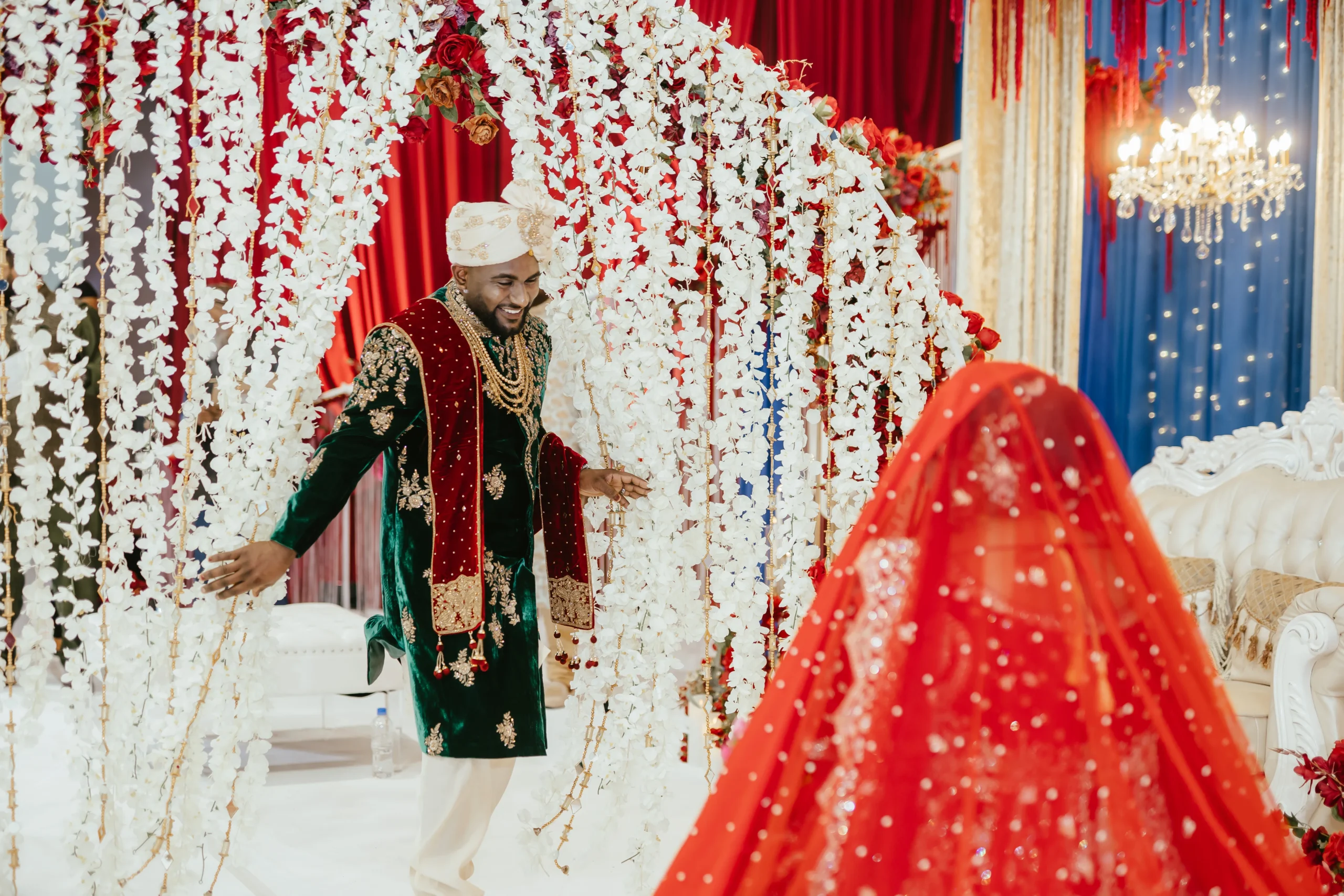
Exposure in photography determines how light interacts with your camera sensor, affecting brightness, colour, and image detail. Learning what is exposure in photography allows photographers to control clarity and mood, producing professional-quality results. For instance, adjusting exposure during a wedding ensures that highlights in dresses remain intact while low-light ceremonies retain detail.
Mastering exposure is essential for both creative expression and technical accuracy. From long exposure techniques that create motion blur to perfectly balanced portraits, understanding exposure allows photographers to capture scenes as they are meant to be seen. Correct exposure ensures images are visually compelling, professional, and consistent across different lighting conditions.
Key Takeaways:
- Exposure determines how light reaches the camera sensor, controlling image brightness.
- Aperture, shutter speed, and ISO form the exposure triangle for precise adjustments.
- Long exposure photography requires careful management of light and stability.
- Improper exposure leads to overexposed highlights or underexposed shadows.
- Understanding exposure allows photographers to capture creative and professional results.
How Does Exposure Work in Photography
Exposure is the total amount of light that reaches the camera sensor. It is determined by three interdependent settings: aperture, shutter speed, and ISO, which together form the exposure triangle. Adjusting one affects the others, so achieving correct exposure requires careful balancing.
Understanding what is exposure in photography allows photographers to capture professional images in all lighting conditions. For example, during a wedding, photographers must adjust settings to preserve both bright outdoor scenes and dim indoor receptions, ensuring important details are visible in every shot.
Aperture: Controlling Light Entry
Aperture is the size of the lens opening, measured in f-stops such as f/2.8 or f/11. Larger openings let in more light, brightening the image, while smaller openings reduce light. Aperture also affects depth of field, controlling whether the background is blurred or sharply focused.
Professional photographers use wide apertures for portraits to isolate subjects and narrow apertures for landscapes to keep the scene in focus.
Shutter Speed: Capturing Motion
Shutter speed controls how long the sensor is exposed to light. Fast shutter speeds freeze motion, while slow speeds create motion blur. Long exposure photography uses slow shutter speeds to capture light trails or smooth flowing water.
Using a tripod stabilises the camera, preventing blur in static areas. Experimenting with shutter speed allows photographers to create creative effects, such as softening water in a waterfall or showing movement in a dancing crowd.
ISO: Sensitivity to Light
ISO adjusts the camera sensor’s sensitivity to light. Low ISO produces clean images in bright conditions, while high ISO is useful in low light but may introduce digital noise.
Balancing ISO with aperture and shutter speed is essential for professional results. Using the lowest ISO possible in a given lighting condition ensures images remain sharp and detailed without unnecessary grain.
Exposure Compensation: Correcting Light Levels
Exposure compensation lets photographers adjust brightness without changing primary settings. It is useful in challenging lighting, such as backlit portraits or reflective surfaces, where automatic exposure might misjudge the scene.
Increasing or decreasing exposure compensation prevents shadows from becoming too dark or highlights from being blown out, giving precise control over the final image.
Factors That Affect Exposure in Photography
Exposure is influenced by multiple factors:
- Lighting conditions: Sunlight, shadows, and indoor lighting affect brightness.
- Lens characteristics: Fast lenses with wide apertures allow more light.
- Camera sensor size: Larger sensors capture more light and reduce noise.
- Accessories: ND filters reduce light for long exposures; polarisers manage reflections.
- Scene composition: Bright or reflective surfaces can affect the camera’s meter reading.
Considering these elements is particularly important for creative techniques such as long exposure photography. Photographers who account for all factors achieve consistent, high-quality results.
How Long Exposure Photography Works
Long exposure photography keeps the shutter open for several seconds or minutes, capturing movement as blur while keeping static subjects sharp. This technique is commonly used for night landscapes, waterfalls, and light trails.
Steps to achieve long exposure photography:
- Mount the camera on a tripod.
- Set a low ISO to minimise noise.
- Select a small aperture for greater depth of field.
- Use slow shutter speeds, from a few seconds to several minutes.
- Apply ND filters in bright conditions to control light.
- Take test shots and adjust settings for the best results.
Long exposure techniques can be combined with creative effects, such as light painting or capturing motion in a crowd, adding a dynamic, professional look to event photography.
Exposure Metering Modes
Cameras provide different metering modes to measure light:
- Matrix/Evaluative: Analyses the entire frame for balanced exposure.
- Centre-weighted: Prioritises the centre of the frame.
- Spot: Measures a small area for precise control.
Choosing the correct metering mode is crucial for weddings or dynamic outdoor portraits where lighting varies dramatically. Correct metering ensures important subjects are properly exposed.
Practical Tips for Achieving Correct Exposure
- Shoot in RAW format to retain maximum image data.
- Bracket exposures by taking multiple shots at different settings.
- Use histograms to check brightness distribution.
- Adjust white balance to match the lighting temperature.
- Use a light meter in controlled studio or low-light conditions.
Applying these methods ensures photographers truly understand what is exposure in photography, leading to more predictable and professional results.
Exposure Examples in Weddings and Portraits
Correct exposure ensures:
- Wedding dresses retain detail and are not overexposed.
- Skin tones appear natural and flattering.
- Candle-lit or low-light ceremonies are captured without noise.
Balancing aperture, shutter speed, and ISO is critical for pre-wedding portraits, ceremony coverage, and reception photography. Lionbeats’ professional team combines technical expertise and cultural awareness to capture these moments perfectly.
Comparison: Overexposed vs Underexposed Images
| Exposure Type | Effect on Image | Common Adjustments |
| Overexposed | Washed-out highlights, loss of detail | Reduce aperture, faster shutter, lower ISO |
| Underexposed | Dark shadows, hidden detail | Open aperture, slow shutter, increase ISO |
Understanding these differences allows photographers to correct exposure in-camera or during post-processing, improving workflow efficiency.
Mastering Exposure for Professional Photography Results
Understanding what is exposure in photography is essential for producing images that are visually striking, accurate, and professional. Correct exposure ensures highlights and shadows are balanced, subjects appear natural, and the overall mood of the image is preserved. Mastery of exposure allows photographers to capture both technical precision and creative effects, whether for pre-wedding portraits, ceremony coverage, or reception photography.
Lionbeats’ experienced team offers expert photography services for weddings, cultural events, and special occasions. Their knowledge of exposure, combined with technical skill and cultural sensitivity, guarantees images that are both technically precise and creatively compelling. Contact +64 21 213 5288 or email contact@lionbeats.co.nz to plan a session and capture your moments perfectly.
Frequently Asked Questions
What does exposure mean in photography?
Exposure is the amount of light reaching the camera sensor, determining brightness and detail. Adjusting aperture, shutter speed, and ISO balances light for clear images.
Why is exposure important in photography?
Exposure affects clarity, colour, and mood. Proper exposure ensures professional results, while incorrect exposure produces overexposed or underexposed photos. Call +64 21 213 5288 for advice.
How does long exposure photography work?
Long exposure keeps the shutter open to capture motion blur while keeping static subjects sharp. Steps include tripod, low ISO, small aperture, slow shutter, and optional ND filters. Email contact@lionbeats.co.nz to plan a session.
What affects exposure in photography?
Lighting, lens, sensor, camera settings, and scene composition influence exposure. Using histograms and light meters ensures consistent results.
Can I fix incorrect exposure in post-processing?
Yes, RAW images allow adjustments to brightness and contrast. Minor corrections can be made digitally, but capturing correct exposure in-camera is best. Contact +64 21 213 5288 for services.