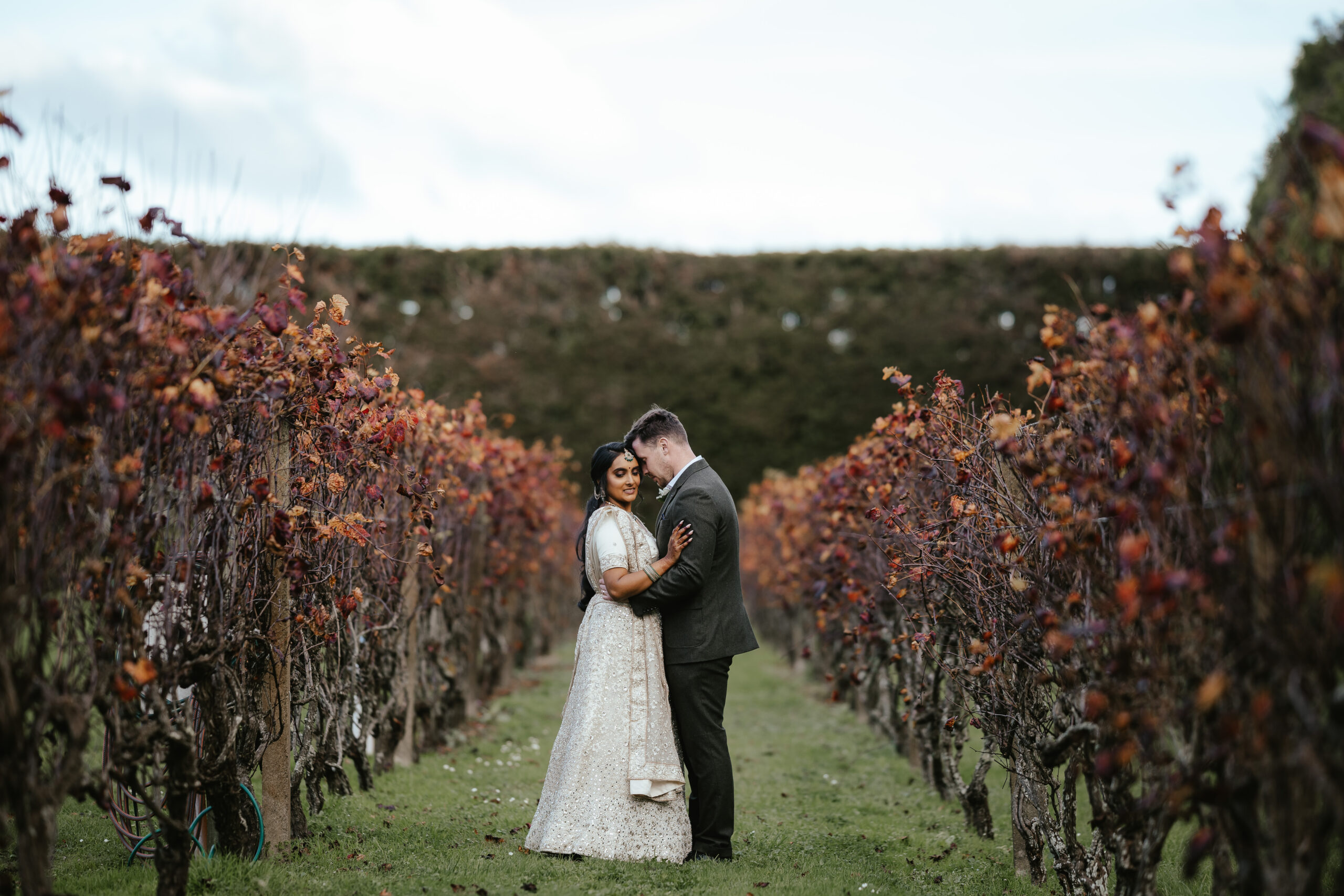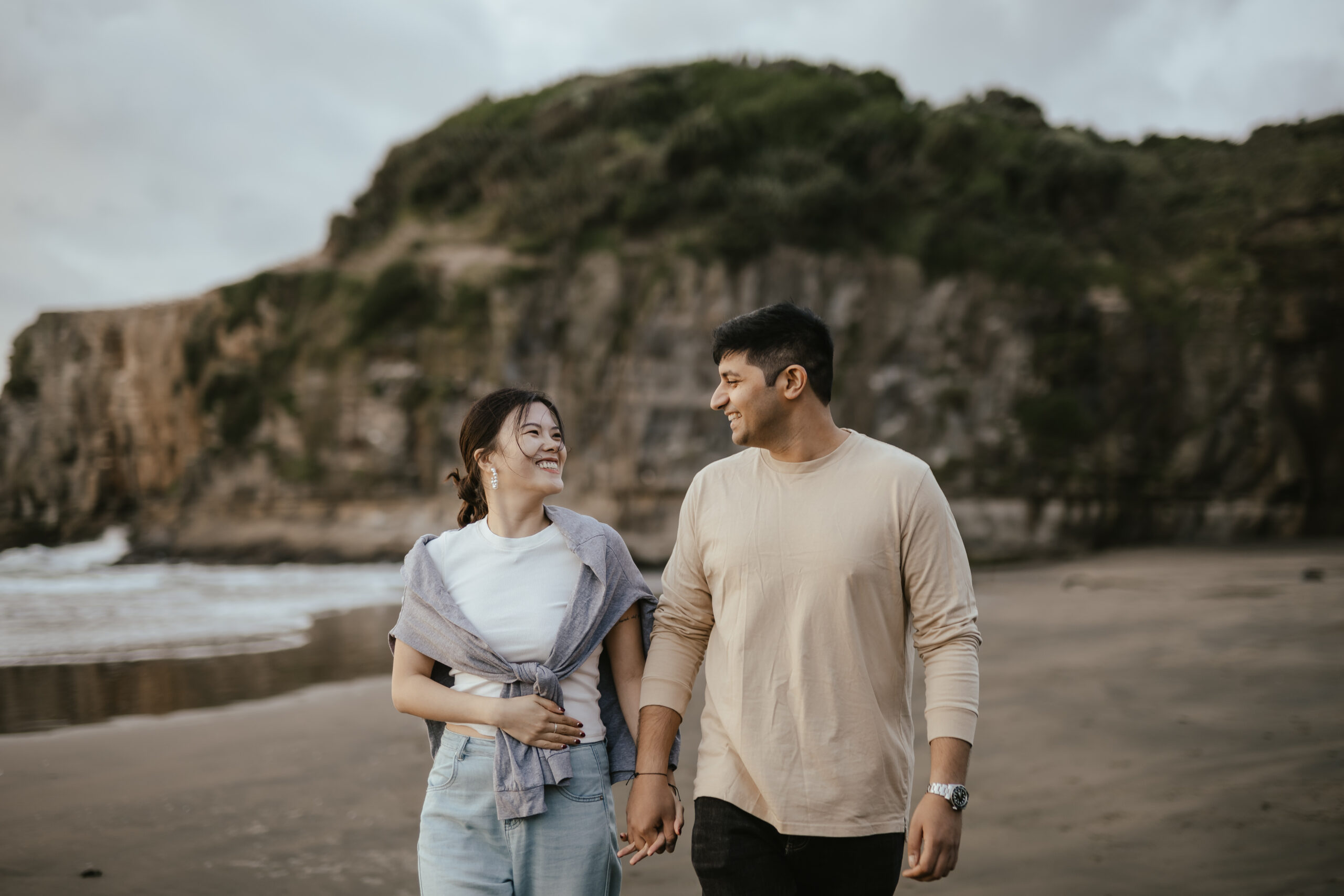
Combining family traditions can make a wedding deeply personal, but it requires decisions about ceremonies and timing. The best multicultural wedding ideas honour both partners without reducing customs to decoration. These suggestions help you plan inclusively and preserve important moments through photography and film.
Key Takeaways
- Agree on essential traditions before booking venues or suppliers.
- Ask both families about ceremonial requirements while keeping decisions with the couple.
- Help guests understand unfamiliar customs through clear programmes and thoughtful hospitality.
- Build realistic schedules for rituals, travel, portraits and multi-day events.
- Brief photographers and videographers on the moments that cannot be repeated.
Start With Authentic Multicultural Wedding Ideas and Traditions
A multicultural wedding brings together customs, values or experiences from two or more cultural backgrounds. There is no universal formula: some couples combine elements within one ceremony, while others keep distinct services and celebrate together afterwards.
1. Choose Meaningful Rituals Together
Each partner should identify three priorities before discussing decorations or entertainment. These might include a family blessing, religious ceremony, procession, reading or shared meal. Compare the lists, explain why each choice matters and decide what fits your relationship.
- Keep: Customs central to your identity or faith.
- Adapt: Optional elements that can be respectfully personalised.
- Leave out: Additions chosen only because they look impressive.
Check proposed changes with officiants. Religious practices are not always interchangeable, even when both families welcome a blended celebration.
2. Give Families Clear Roles
Invite parents and elders to explain expectations early, especially where rituals involve particular relatives. Listen carefully without allowing every suggestion to become an obligation. You and your partner should approve the final programme.
Assign one contact from each family to answer guest questions, gather relatives for photographs and communicate last-minute updates. This reduces interruptions.
3. Choose One Ceremony or Two
A shared ceremony may work when celebrants approve the format, and both feel represented. Separate ceremonies offer more space for traditions requiring distinct settings or officiants. A multicultural wedding planner can coordinate decisions, but religious guidance should come from the appropriate leaders.
If legal marriage formalities form part of your New Zealand celebration, check the requirements with the Department of Internal Affairs before finalising your plans.
Add Meaning Through Details and Hospitality
Creative multicultural wedding ideas work best when each detail has a purpose. Aim for a coherent experience rather than displaying every tradition simultaneously.
4. Design Welcoming Invitations and Programmes
Thoughtful multicultural wedding invitations can explain the celebration before guests arrive. Use accurately checked translations, list separate event locations and explain guest participation.
A short ceremony programme might explain:
- The order and approximate length of each ritual.
- The meaning of unfamiliar blessings or gestures.
- When guests should stand, sit or remain silent.
- Any restrictions on personal photography.
Ask a relative or celebrant to introduce important moments briefly. Guests can follow without interruptions.
5. Choose Decorations With Cultural Meaning
Select meaningful flowers, patterns, colours or family photographs, then use a consistent design across the venue. Confirm the significance of any sacred imagery before placing it on stationery, flooring or disposable items.
For photography, position key displays where natural light is available and avoid clutter around the ceremonial space. Discuss any restrictions before moving objects or photographing religious items.
6. Share Food, Music and Family Stories
A menu featuring dishes from both households can introduce guests to family favourites. Label ingredients and confirm vegetarian, halal or other dietary requirements directly with caterers.
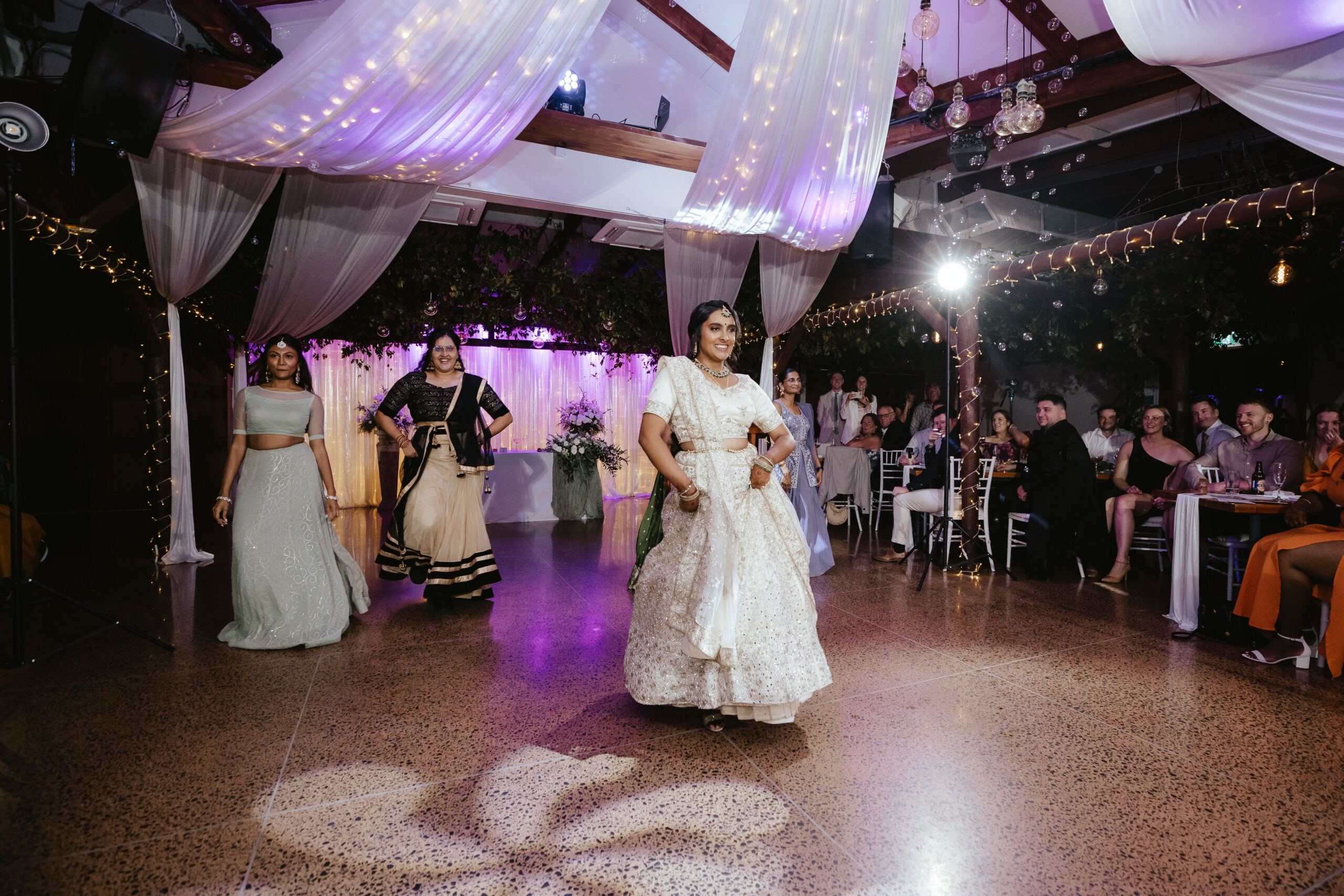
Music can move from traditional performances to a shared dance floor. At a Sangeet, organise introductions, performances and audience seating so relatives can enjoy the programme while photographers capture reactions. Thoughtful Sangeet planning also helps prevent performances from running into ceremony preparation.
Offer simple experiences such as bilingual welcome signs, family photo displays or guest messages in different languages. Each should help people connect, not add another task for the couple.
Plan Ceremonies Around Realistic Timings
Good multicultural wedding ideas also solve practical problems. Cultural celebrations often involve several locations, large families and meaningful rituals that deserve time rather than hurried transitions.
7. Map Every Event Before Booking Coverage
For an Indian multicultural wedding, events might include Mehndi, Haldi, a religious ceremony and a reception. Not every couple follows this sequence, so write your actual schedule instead of relying on a standard template.
| Event | Planning Priority | Photography Priority |
| Pre-wedding gathering | Confirm participants and start time | Candid family connections |
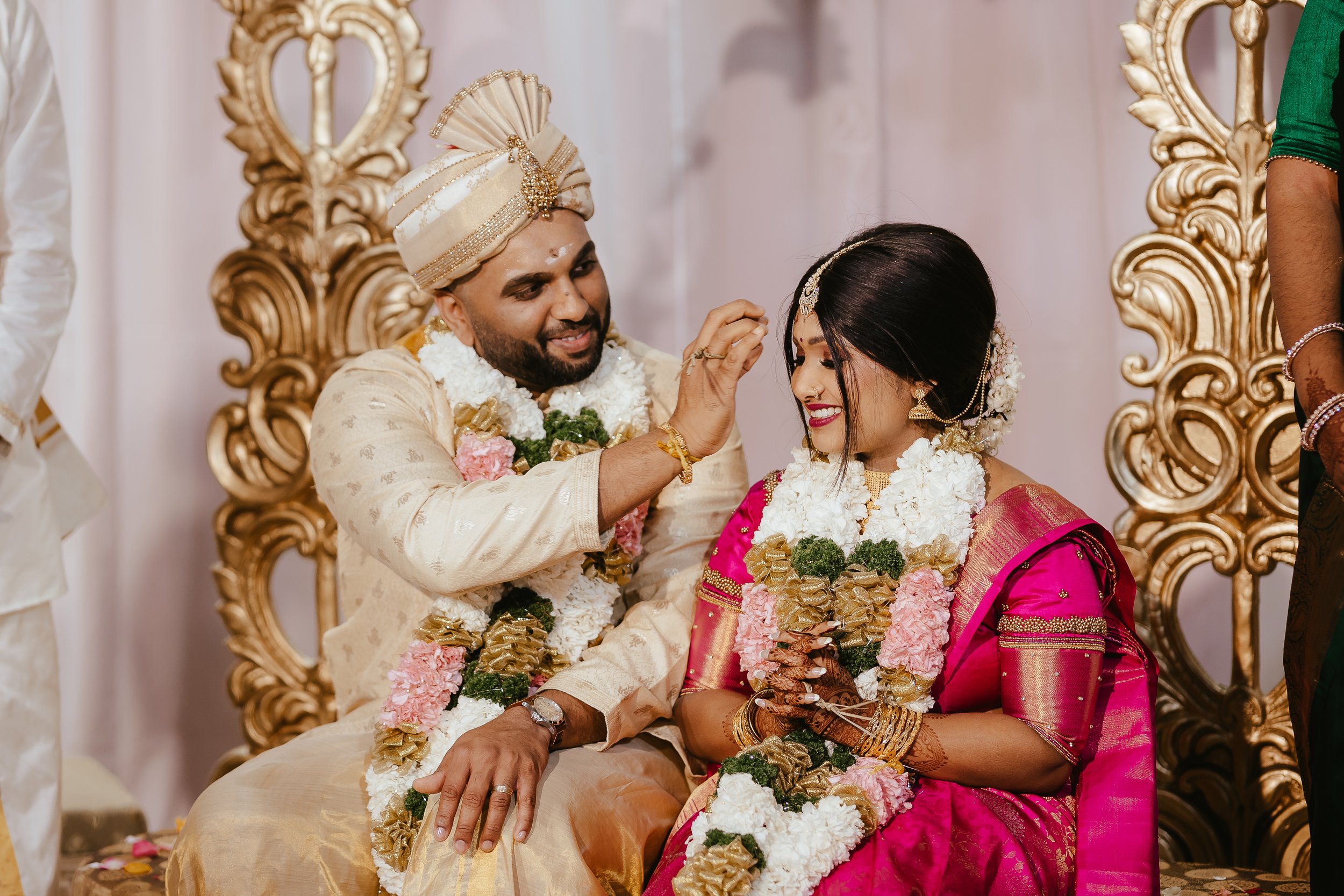
| Cultural ceremony | Allow uninterrupted ritual time | Key gestures and blessings |
| Family portraits | Prepare named groupings | Elders and extended relatives |
| Reception | Coordinate speeches and performances | Entrances, reactions and dancing |
8. Protect Time for Portraits and Travel
Build your photography timeline around fixed ceremonies first. Then add preparation, journeys, group photographs, couple portraits and a buffer between locations.
- Confirm venue access and ceremony start times.
- Group portraits by household or family branch.
- Nominate helpers who know relatives by name.
- Plan indoor alternatives for wet weather.
- Allow time for outfit changes and private moments.
Finalise the main schedule with suppliers several weeks beforehand, then circulate updates through one coordinator.
9. Check Venue Rules Early
Ask about ceremonial structures, approved flames, external catering, sound limits, accessibility and separate preparation spaces. A venue may accommodate one tradition but restrict another for safety or operational reasons.
If events take place across Auckland or elsewhere in New Zealand, consider travel delays and parking for elderly relatives. Avoid portrait locations that make guests miss rituals.
Preserve Both Cultures Through Photography and Film
The strongest photographs do more than record beautiful settings. They show relationships, explain the flow of ceremonies, and preserve expressions that families may value for generations.
10. Brief Your Photographer on Every Ritual
Share a written list of important moments, including names, relationships, and restrictions. Explain which blessings, entrances, or exchanges cannot be repeated. Photographers should know where they may stand and when silence or distance is expected.
Lionbeats has documented cultural celebrations since 2009. Its family-run team approaches Indian wedding photography with attention to different traditions, natural interactions, and planned family portraits.
Beyond the formal ceremonies, photography preserves traditions through meaningful family interactions, cultural details, and the quieter moments that reflect each couple’s heritage.
11. Coordinate Video With Photography
Film captures movement, vows, music, and spoken blessings alongside still images. Tell your team when live sound is essential and whether microphones or venue audio feeds are available.
Lionbeats offers Indian wedding videography alongside photography, allowing coverage to be planned around the same events. Discuss multi-day requirements, travel, reception timings, and which ceremonies need complete recording or shorter highlight edits.
12. Agree on Deliverables Before Booking
Ask about coverage hours, second shooters, edited images, teaser content, highlight films and final delivery. Lionbeats offers flexible wedding photography and video packages tailored to different celebrations.
Following consultation and planning, the team photographs the agreed events, edits the material, and delivers a curated collection. Typical delivery is three to six weeks for photographs and four to eight weeks for films, subject to the package and event scope. Confirm specific expectations in writing.
Conclusion
Thoughtful multicultural wedding ideas begin with shared priorities and end with a celebration where both families feel genuinely welcomed and fully recognised. Respectful planning, clear schedules and culturally aware coverage help preserve what makes your day distinctive. Contact Lionbeats on +64 21 213 5288 or request a personalised quote for your wedding. We only take a limited number of bookings yearly to ensure we provide quality services.
Frequently Asked Questions
How can we include two cultures in a New Zealand wedding without overwhelming guests?
Choose a few significant traditions from each background and explain unfamiliar moments through a concise programme. Lionbeats recommends allowing enough time between ceremonies, keeping guests informed, and prioritising their comfort while ensuring both cultures are meaningfully represented.
Can different religions be represented in one ceremony?
Sometimes, requirements depend on each faith and officiant. Discuss acceptable formats before booking a celebrant or venue. Separate ceremonies may be more appropriate if rituals need different settings, participants, or religious conditions.
What should photographers know before a cultural wedding?
Provide ceremony timings, a list of essential rituals, key relatives, and restrictions on movement or flash photography. Identify moments that cannot be repeated and nominate family helpers to organise portraits without interrupting ceremonies.
Is photography available for celebrations across several days?
Yes. Lionbeats can tailor coverage for pre-wedding gatherings, ceremonies, and receptions across multiple days. Confirm dates, locations, hours, and the balance of photographs and video during your initial consultation.
How far ahead should we organise the wedding schedule?
Start with ceremonial commitments as soon as venues and officiants are confirmed. Develop the photography plan several weeks before the wedding, then share an updated version with suppliers and family contacts once all timings are settled.